Introduction
Problem
Timely physical therapy (PT) treatment that meets recommended frequencies is essential for optimal patient recovery and efficient discharge planning. Our hospital is a 534-bed acute care facility that services over 25,000 admissions a year. The hospital has been recognized for programs in orthopedics, vascular surgery, cardiac care, neurosurgery, otorhinolaryngology, colorectal surgery, urology, obstetrics, neonatology, oncology, and behavioral health. PT staffing is delegated with prioritization given to the orthopedic and neurosurgery service lines to comply with the evidence-based understanding that an accelerated treatment pathway results in decreased length of stay (LOS) and overall improved outcomes.1 A multidisciplinary committee, including hospital leadership, was created to investigate opportunities around increasing the instance of patients getting discharged to home instead of a facility, as well as reducing the LOS. In fiscal year 2023 (FY23), from July 1, 2022, to June 30, 2023, the average LOS for general medicine and medical surgery patients was 6.41 days. The hospital’s goal is for patients’ overall LOS to be 4.55 days. This project focused on addressing contributing factors to increased LOS, and the team noted that PT interventions were not being administered at the frequencies recommended upon patient initial evaluation by the therapist. This disparity could impact the consistency of patient mobilization during admission, potentially contributing to an increased LOS and discharges to a facility rather than home.
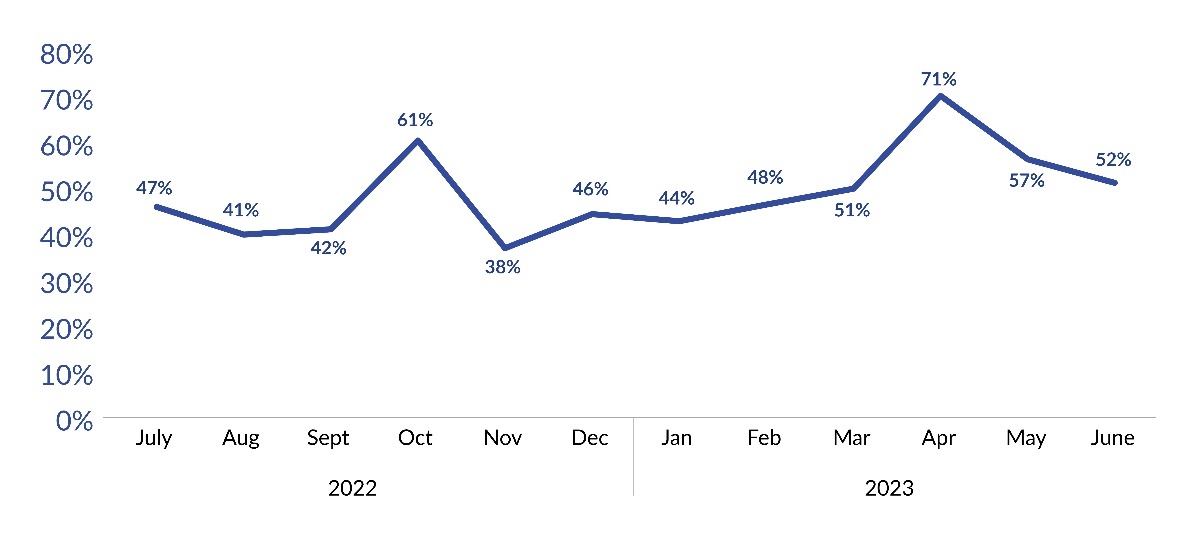
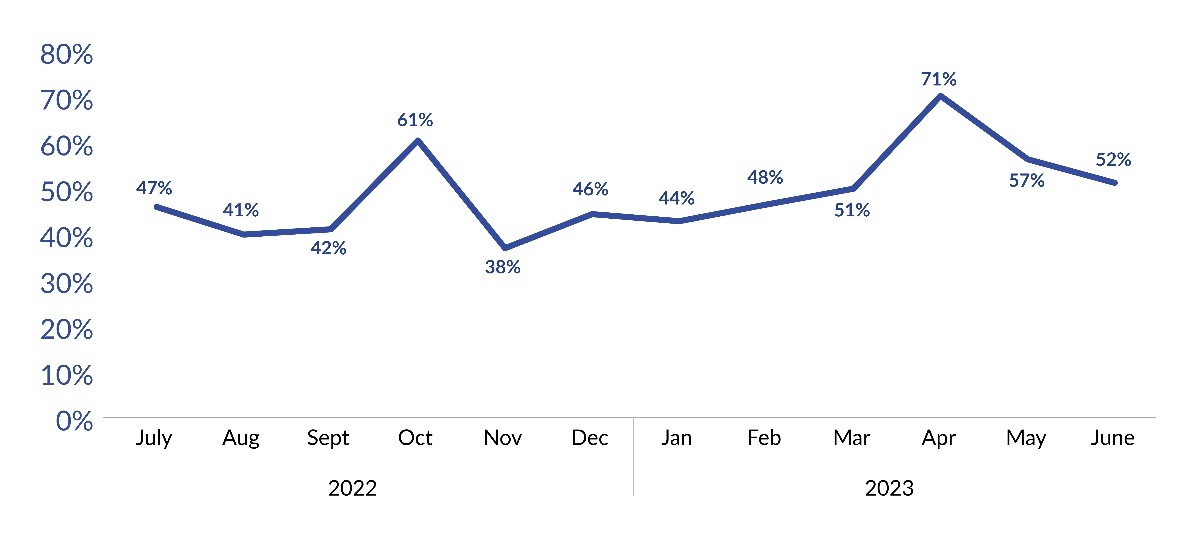
This inspired further investigation into how PT services are being consulted and how to maximize their efficiency. When evaluating patient outcomes and PT trends for the general medicine and medical surgery service lines, data revealed that only 43% of recommended treatment frequencies were completed by physical therapists prior to discharge (Figure 1). This disparity has reduced the opportunity for PT services to be delivered according to best practices across all service lines. This highlighted a need to investigate how to improve PT presence on the medicine and medical surgery floors. The team found that there was a lack of standardization in protocol for how PT was being consulted by providers.
Figure 1 depicts the state of completed PT treatments from July 2022 to June 2023, establishing an average of 43% of treatments completed. This data indicated that the concern has been ongoing and wasn’t addressed until the start of the project in July 2023.
Available Knowledge
The role of PT in the acute care setting is to facilitate discharge and make discharge recommendations, as well as provide therapeutic interventions that promote function after a patient is evaluated.2 During the evaluation, the physical therapist gathers essential information, including the patient’s prior level of function before their hospital admission. They then conduct various tests and measures to understand the patient’s current abilities. These may include assessing muscle strength through manual muscle testing; performing a neurologic exam; and evaluating their independence with bed mobility, transfers, ambulation, and stair negotiation. Based on the evaluation, the therapist will recommend how many times a week (frequency) the patient would benefit from being seen by PT to achieve their goals. Working with PT during admission helps to prevent the consequences of immobility over a potentially prolonged hospital stay, which can lead to negative outcomes to functions such as ambulating and performing activities of daily living.1
Patient mobilization is a multidisciplinary effort and responsibility in producing the best outcomes. Inability for physical therapists to meet the recommended frequency has been associated with adverse patient outcomes, including prolonged hospitalization and increased readmission risk.2–4 Functional deficits, which can be addressed through PT, are independent predictors of hospital readmissions.2–4 According to Johnson et al., increased PT treatment sessions were linked to a higher chance of improved function across most patient groups. Specifically, patients receiving PT more than twice a week, and particularly those with orthopedic conditions, showed greater functional improvement, with this trend consistently observed in all subgroups except oncology patients receiving more than seven visits per week.2 Early PT interventions have also been linked to shorter hospital stays and reduced care needs upon discharge.2,3 Johnson et al. found that a higher frequency of PT treatment sessions was associated with an increased likelihood of patients being discharged home, with those receiving more than seven visits per week showing the greatest increase. This pattern was largely consistent across patient subgroups, although orthopedic patients initially didn’t show this association; a sensitivity analysis revealed they too benefited from more frequent visits.2 Barriers to effective PT service delivery in hospital settings include staffing shortages, inefficient order workflows, and suboptimal communication among interdisciplinary teams.5–7
Rationale
In response to these findings, we formed a multidisciplinary committee composed of key stakeholders, including physical therapists, nurses, social workers (SW), case managers (CM), advanced practice providers (APPs), medical residents, and improvement advisors. Upon reviewing ordering trends, the committee identified approximately 40% of PT consults cited “deconditioning” as the reason for referral from July 2022 to July 2023. This vague and often nonspecific reasoning for consultation contributed to inefficient prioritization and potentially inappropriate resource use. The term deconditioning, while broadly descriptive of a decline in physical function due to inactivity, fails to provide critical clinical details. It doesn’t specify which functional limitations a patient is experiencing (e.g., difficulty with ambulation, transfers, self-care, balance), why those limitations exist (e.g., muscle weakness, pain, neurological deficits, endurance deficits), or what specific PT interventions are indicated. Without this specificity, physical therapists may face challenges in triaging the urgency of the referral, determining appropriate evaluation methods, and tailoring effective treatment plans. We hypothesized that by providing clearer guidance on appropriate consult indications and refining triage protocols, we could enhance the quality and impact of PT services.
Specific Aims
The primary aim of this initiative was to increase the number of follow-up PT treatments. The committee created the goal to increase PT treatment sessions from 43% to 60%. A secondary aim was to enhance the specificity and appropriateness of PT consult orders by eliminating “deconditioning” as a reason for referral. This was targeted through comprehensive educational intervention as well as creating a new order set. The goal was to achieve 0% of consults citing deconditioning as the primary reason for referral.
Methods
Context
This quality improvement project uses the improvement capability model methodology of the Institute for Healthcare Improvement (IHI) to implement strategies and sustain positive change. The project included any patient who would be admitted to an inpatient floor at Pennsylvania Hospital, except for neurosurgery and orthopedic service lines. The overall effort aimed to make improvements for those patients who would benefit from PT and create a patient-specific reason for consults.
Interventions
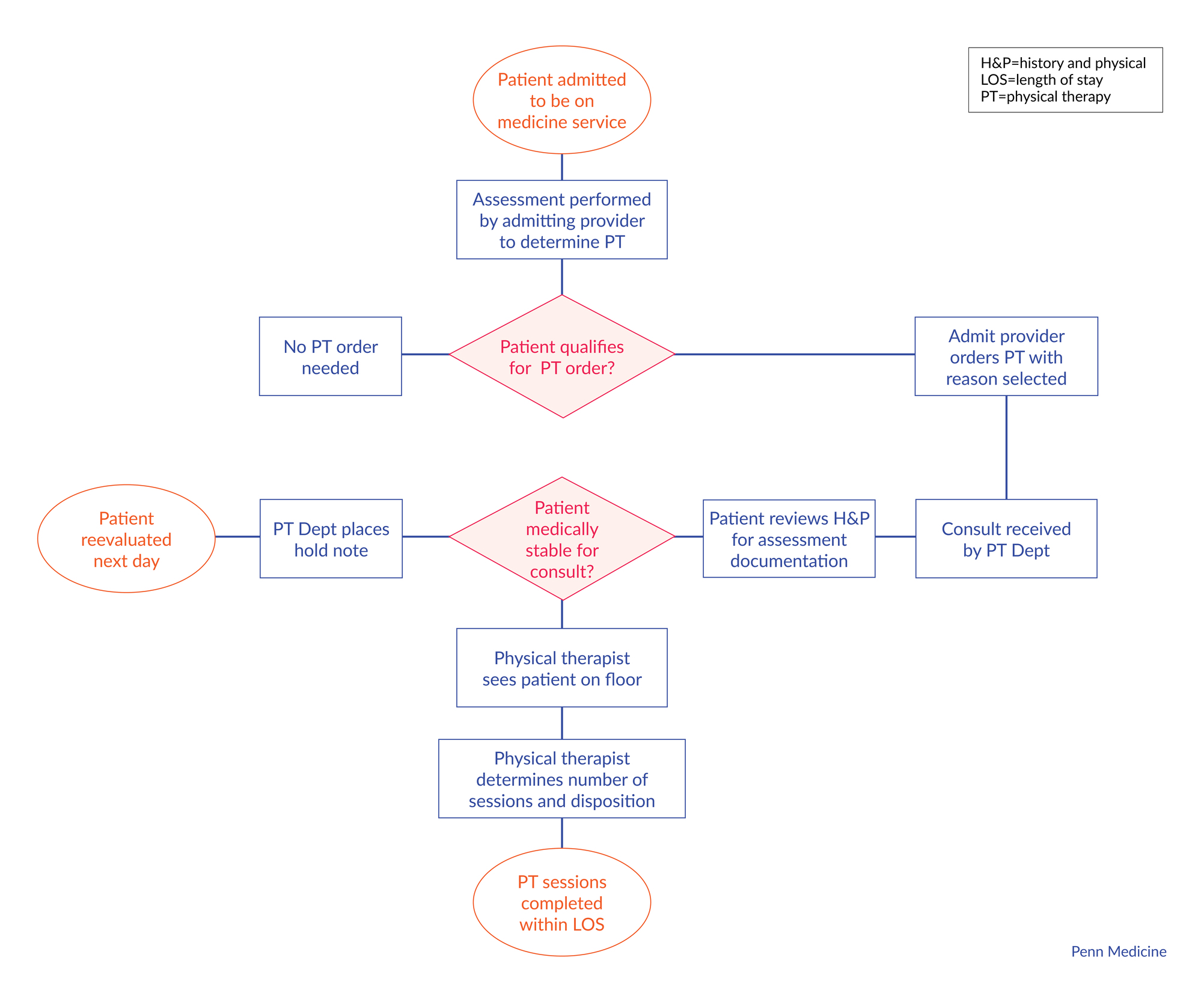
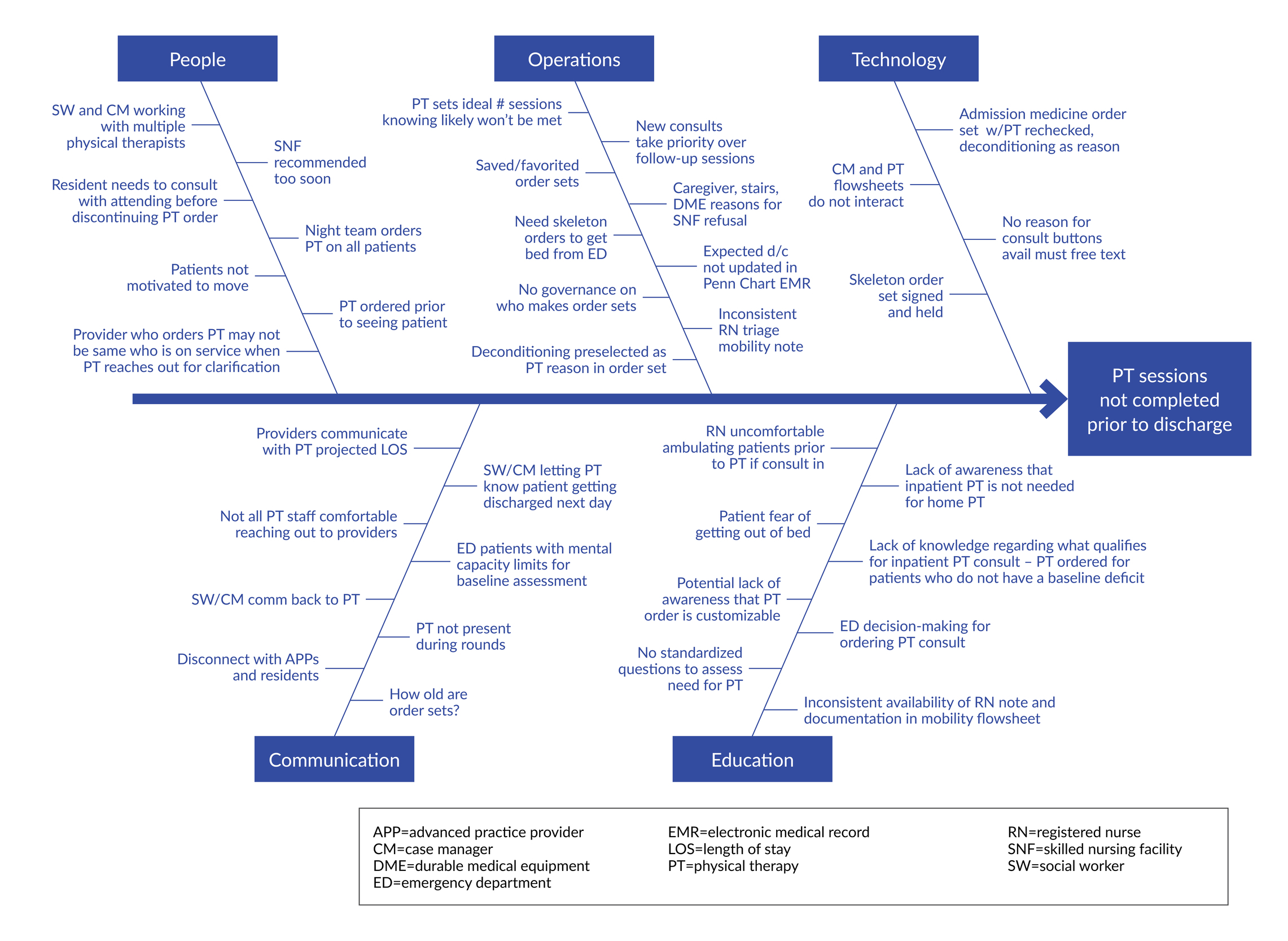
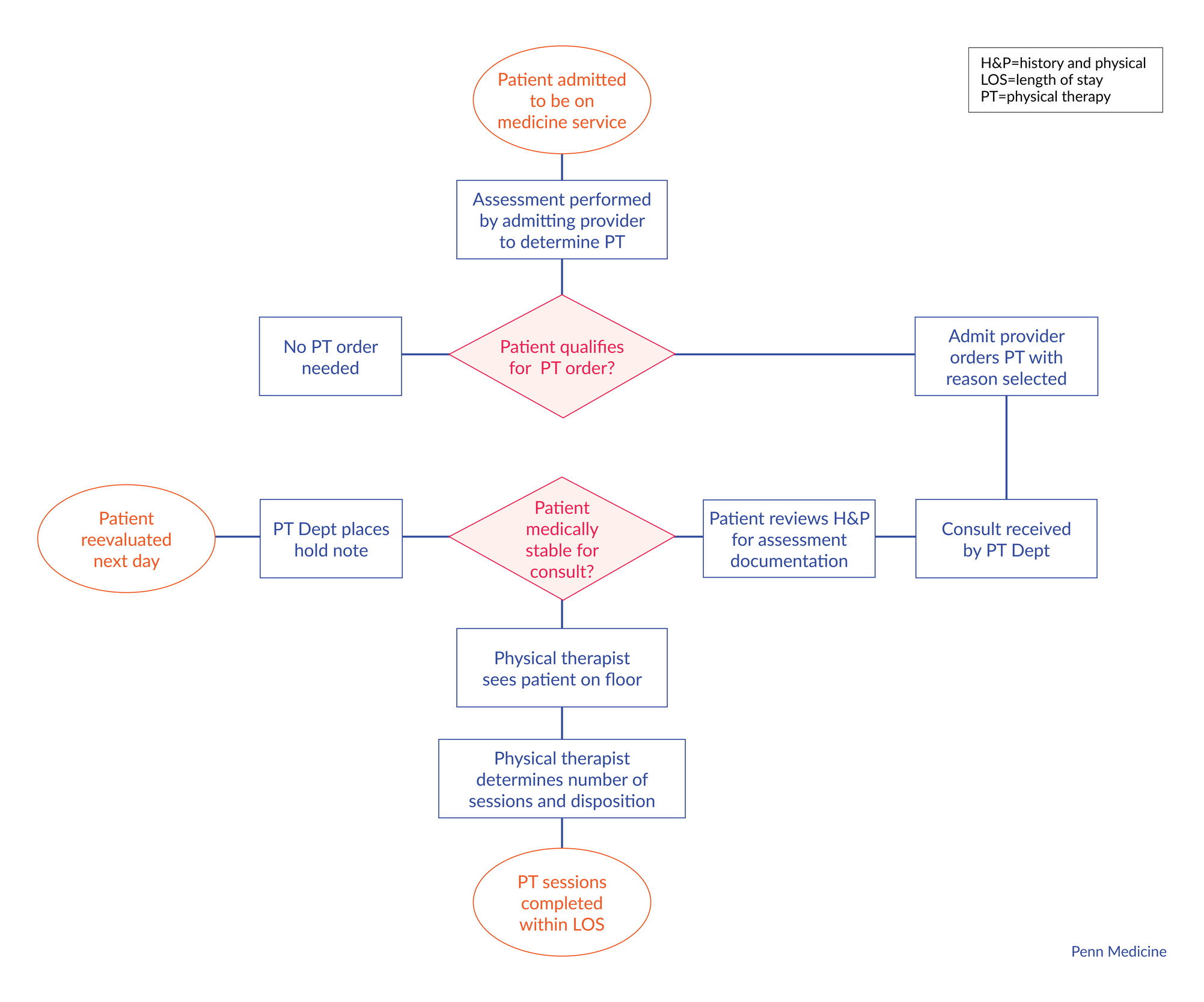
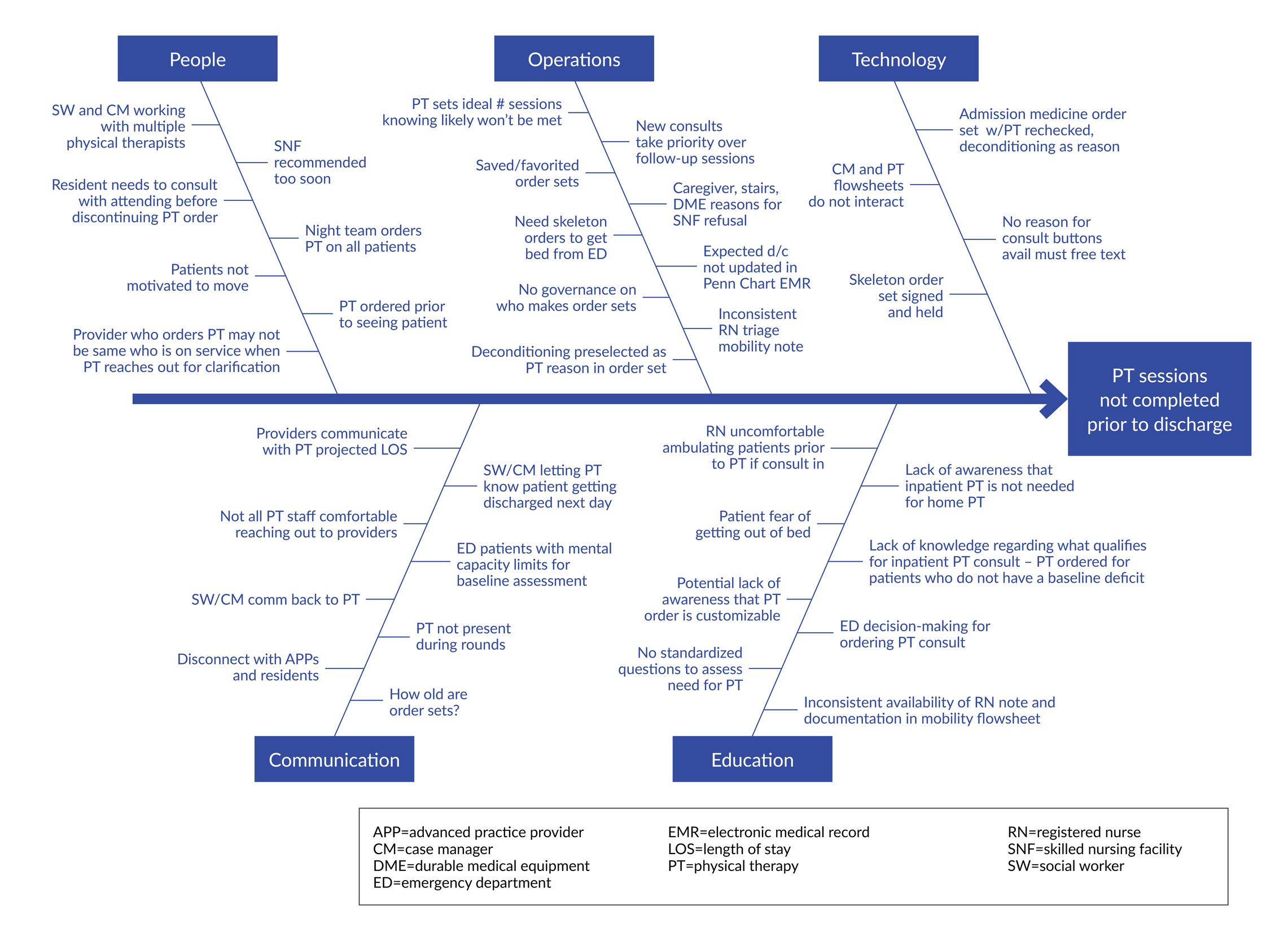
Using the IHI’s model, the project brought together a multidisciplinary team consisting of frontline staff members to define their measures early on and used the tool Plan-Do-Study-Act (PDSA) to test any change ideas. The roles included physical therapists, nurses, SW, APPs, residents, CM, and improvement advisors. The team began by creating a process map to outline the current workflow (Figure 2). This phase identified significant practice gaps, which were then themed and plotted on a fishbone diagram (Figure 3). The team identified that the major gaps were the amount of time it was taking physical therapists to review new consults that were ordered by the providers, lack of standardization on reasons for ordering PT, and the nonstandardized order set that the providers were using. Previously, providers utilized prefabricated templates for both their visit note and admission orders which automatically included a consult order for PT with the reason listed as “deconditioning.” As we reviewed the current workflow from admission to the floors, we discovered that this prefabricated order set would go in prior to the provider physically examining the patient.
The team went through multiple rounds of the PDSA model. During the first round, we found that all our interventions and the feedback we needed were dependent on key stakeholders, primarily residents, whose absence was a result of scheduling conflicts. The team started planning and acting on various interventions, including one to have providers evaluate projects prior to ordering PT; however, we did not get the right buy-in from the residency program leadership for a few months. So, we went back to the drawing board and took a few weeks to get a new resident for the workgroup and back into our initial plan.
In our second round of implementing the PDSA cycle, we ran into a roadblock with implementing changes in our electronic medical record (EMR), as they required approval by the other hospital entities in our healthcare network through a governance board. It took approximately six to eight months into the project for the requested changes to our EMR system to be approved, and we started educating stakeholders via in-person discussion and written huddle sheets that were emailed out to leadership.
Prior to implementing any changes, PT consults were automatically included in a patient’s order set once admitted from the emergency department. Because the PT order reading “deconditioning” was a preselected field upon admission, providers did not need to evaluate their patients prior to ordering services. This vague reason for the PT consult leads to increased time for physical therapists to review and appropriately triage every patient. This would often reveal instances where PT services were not indicated, and communication with providers was then required to clarify the order, which delays care and affects physical therapists’ productivity.
PT Consult Criteria
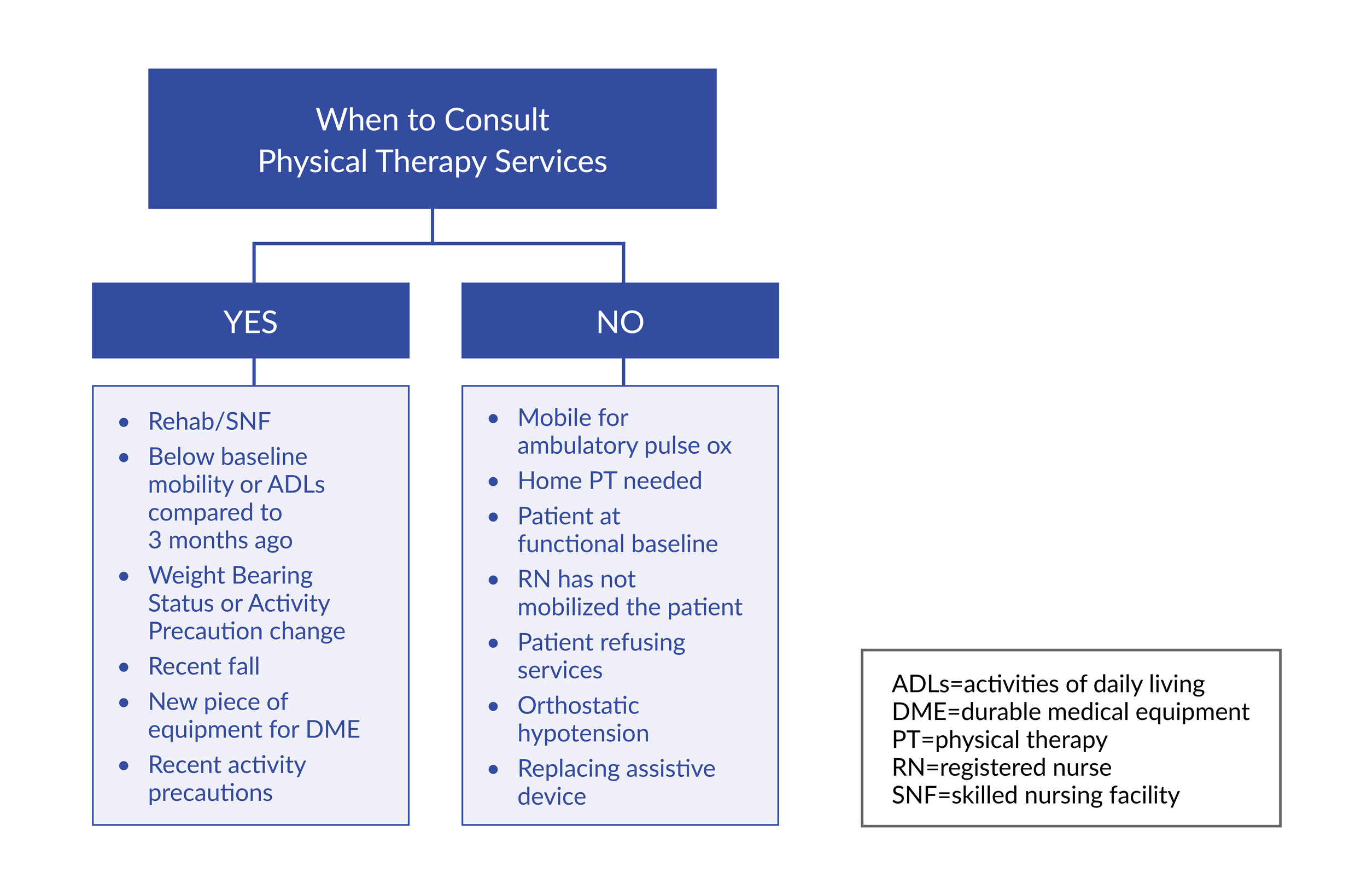
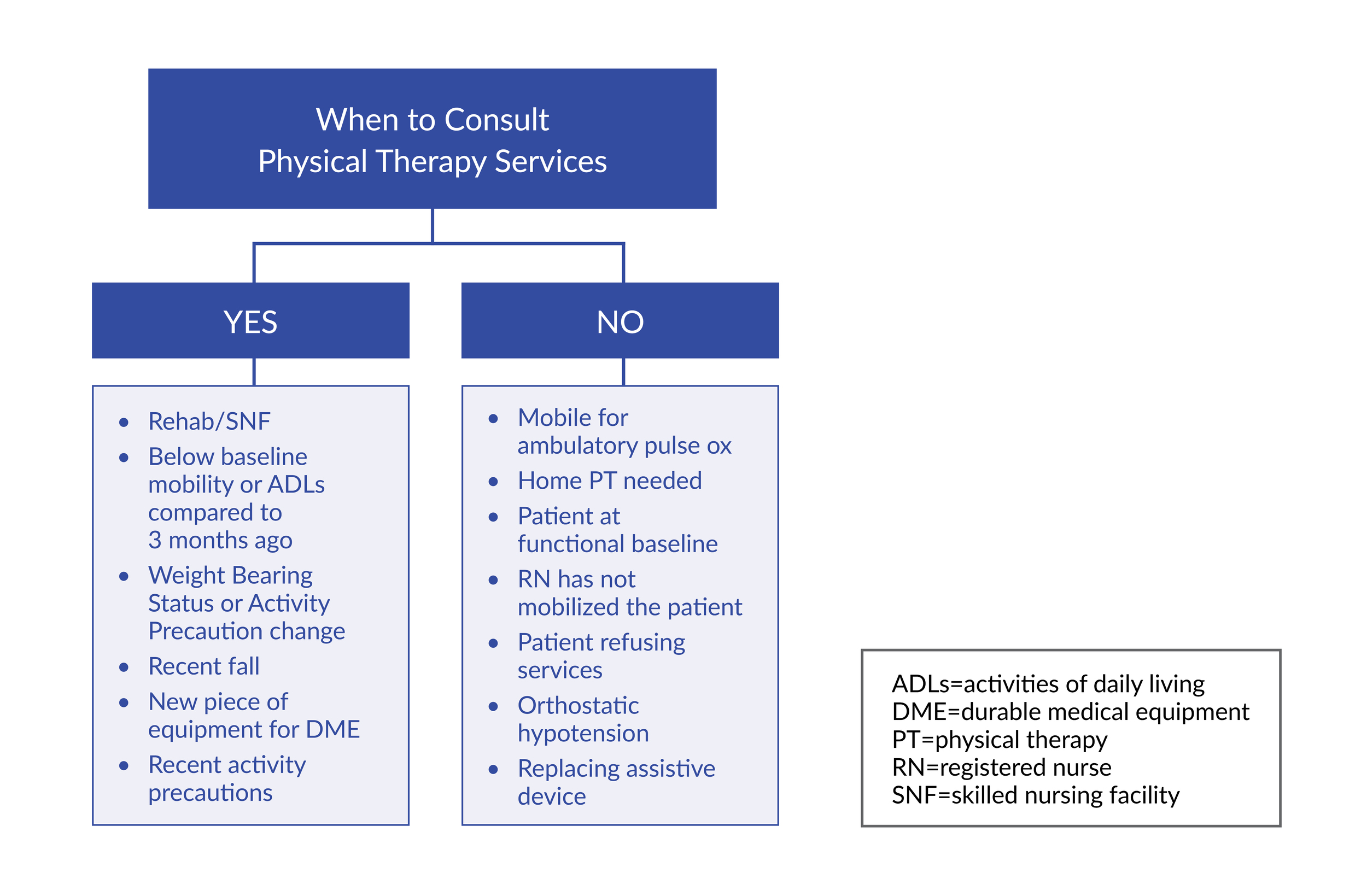
The first change was to create criteria for when to consult PT services. The team created a “yes” and “no” visual that providers shared through staff meetings, town halls, and emails. This gave providers and residents a clear indication of why a specific patient population would benefit from a PT consult (Figure 4).
Timing When to Consult for PT
During our initial multidisciplinary meetings, we discovered that a decision to admit a patient was given an automatic PT consult order without providers assessing the patient. The changes in the PT consultation process would require providers to assess their patients in the emergency department prior to placing a PT order. If patients were qualified based on the criteria created, they then would place an order for PT to review. The goal was to reduce the incidence of inappropriate consultations for patients that did not demonstrate a need for PT services.
PT Order Set Change
Orders for PT consults were preselected in an admission order set. The group configured how the order set should look and presented this information to leaders. This was a change not only for Pennsylvania Hospital, but an entitywide change across Penn Medicine. Order sets were updated where a provider would have to check whether a PT consult is needed after assessing their patients. From there, the order set had drop-down fields of reasons the provider can choose for why they are consulting PT. Reasons may be: fall, acute decline in mobility, new neurological deficits, change in weight bearing status, infant in neonatal intensive care unit (NICU), vestibular evaluation, or “other” reasons. By making this clear, physical therapists would not delay care to the patients because they would not have to spend time at their computers doing in-depth chart reviews or calling out to the providers why a PT consult may have been ordered for patients who do not need one.
Education to Providers, Residents, APPs, SW, and CM
Our workgroup gave verbal education, and ultimately leadership in the departments delivered it via multiple monthly staff meetings and two resident town halls. This information was also embedded into the PT segment of orientation for new residents. Education included the criteria of when to consult PT, how to communicate with therapy services, and how to navigate the form of the new order set, as well as the change in process for placing therapy consult after admission.
Study of Interventions
To evaluate the results, data was collected on the total number of consults ordered for patients in a given month. Specifically, the data was collected through our EMR using an existing report to pull out the reasons why PT was consulted for medicine and medical surgery patients versus how many of these consults had the reason listed as “deconditioning.” This report was used for pre-intervention data, the intervention phase, and following the intervention.
Measures
The primary measure was to meet 60% of PT treatment sessions before patients were discharged from an inpatient unit. To evaluate this result, the order sets needed to be clearly defined, and providers needed to assess their patients before placing orders. This would allow improvement in PT efficiency with prioritizing time for addressing patient follow-up sessions to meet their recommended frequencies.
Analysis
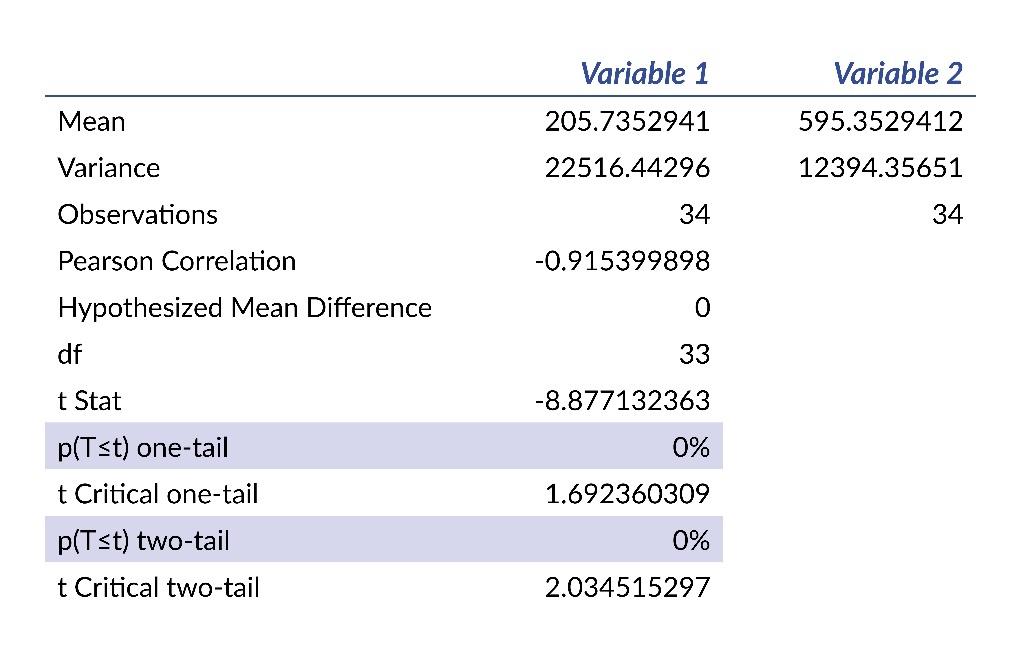
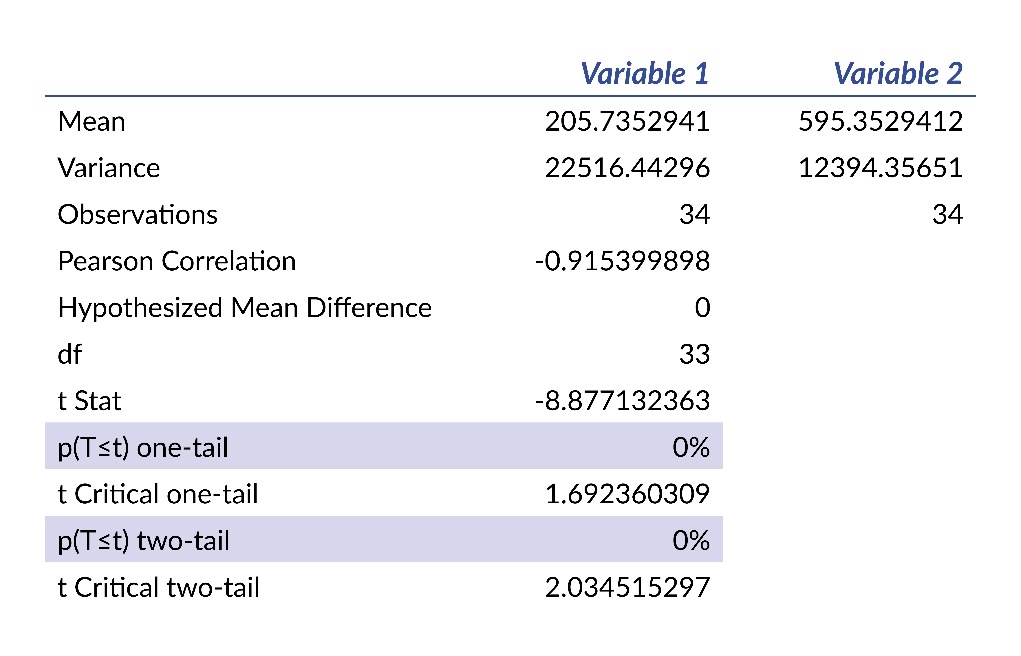
The outcome of the project was analyzed using a run chart. The team measured an outcome metric; percentage of PT treatments completed prior to discharge was not deemed to show statistical significance in this study. However, one process metric, percentage of consults with reason as “deconditioning,” detected changes demonstrated through a two-tailed p value (Figure 5) before and after the intervention. The measures were reviewed monthly with the multidisciplinary team, and if there were any drop-offs, they were discussed with individual providers.
Results
When initiating this project, nine physical therapists completed a survey in August 2023 to indicate the time it took them to navigate orders, chart review, and communicate with providers to clarify the appropriateness for a consult. The survey results showed it took an average of 60 minutes/day to effectively address the vague reason for the consult consistently being deconditioning before seeing patients with the original order sets. In FY25, the therapists retook the survey and indicated it was now taking 35 minutes on average to appropriately triage and start patient care, as order sets are now customized to the patient’s specific needs. Physical therapists are able to prioritize the caseload efficiently, avoiding the necessity to delve into the chart to understand the reason for referral.
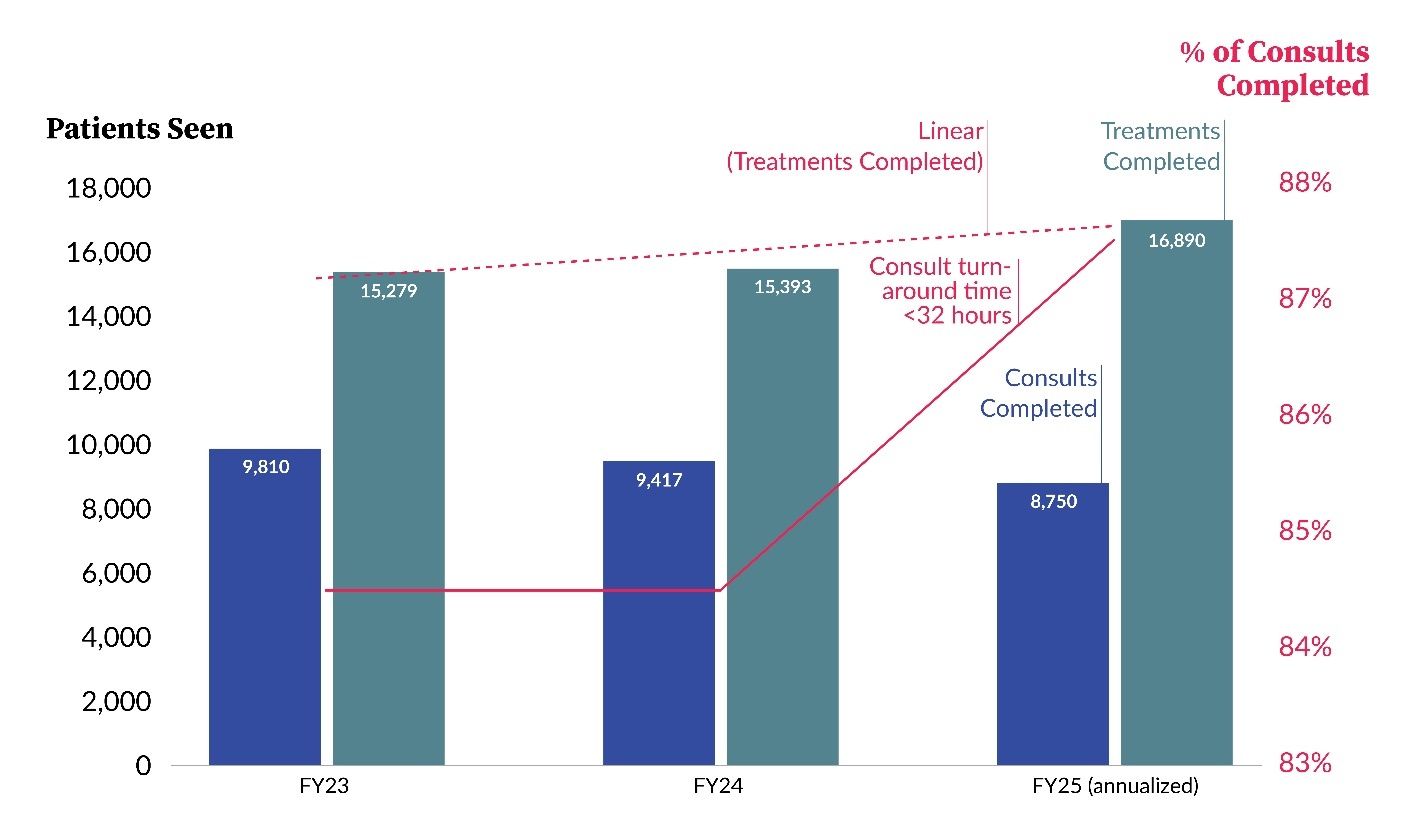
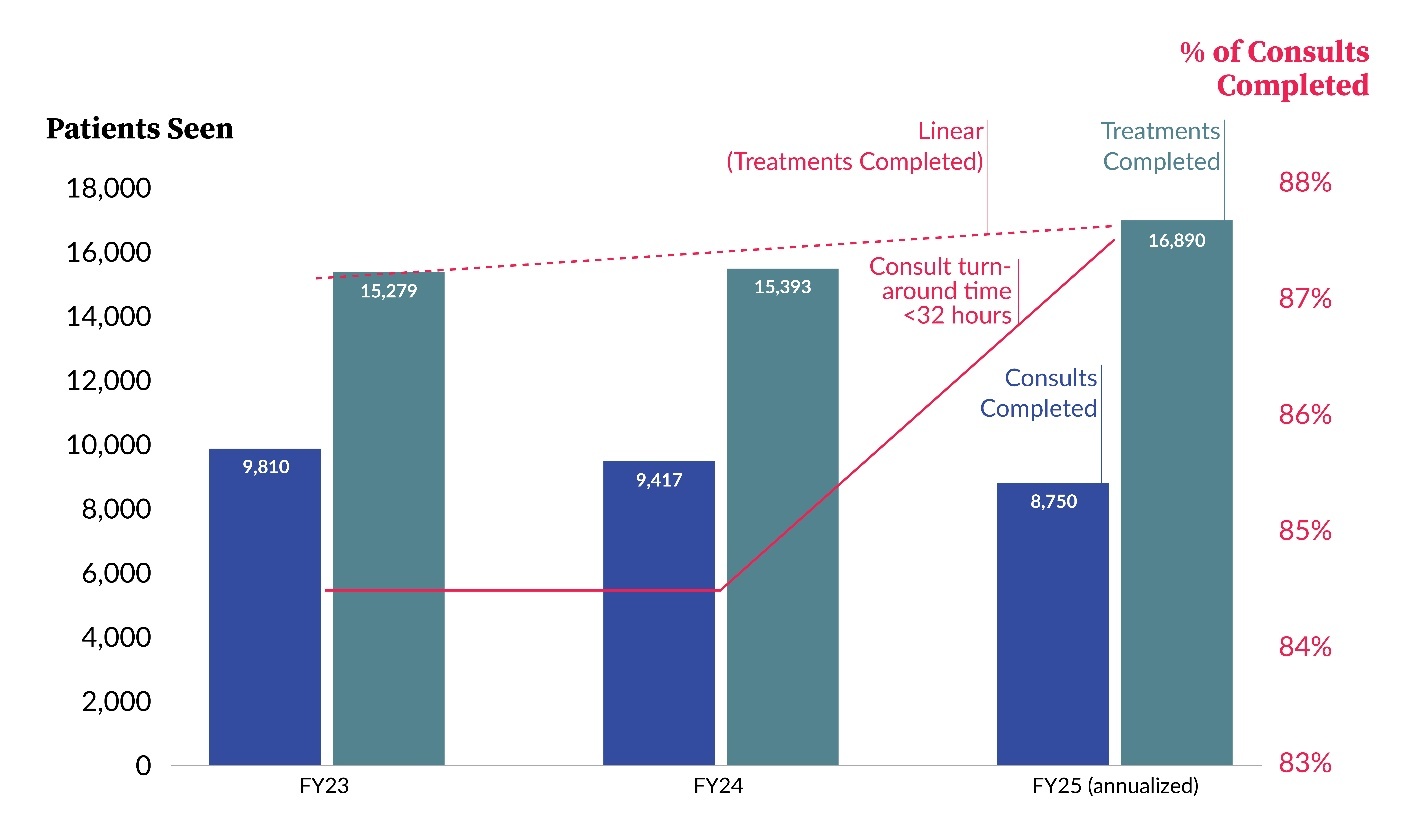
We noted that physical therapists were addressing 84% of the consults within <32 hours in FY23. In May 2024, when the order sets changed, that percentage increased to 87%. At the start of the project in FY23, the total number of PT consults being placed and completed was 9,810, and 15,279 treatments were completed (Figure 6). Physical therapy efficiencies simultaneously demonstrated an uptrend due to a reduction in unnecessary consultations being placed and adequate staffing being put into place.
Figure 6 displays the trend in PT performance from FY23 (the start of the project) to FY25 (present day). The bar graph demonstrates a reduction in the overall number of consults and a correlating increase in PT treatment sessions being completed. The dotted linear graph depicts the uptrend in treatments completed from FY23 to FY25, suggesting that the change in order sets resulted in a reduction in inappropriate consults, which created increased physical therapist availability to perform follow-up sessions. The solid linear graph displays the uptrend in physical therapist time to chart review and execute PT consults.
When the team started to review the existing reports that were run through the organization’s EMR system, it yielded that approximately 30%–40% of all PT consults were labeled as deconditioning for the reason for consult.
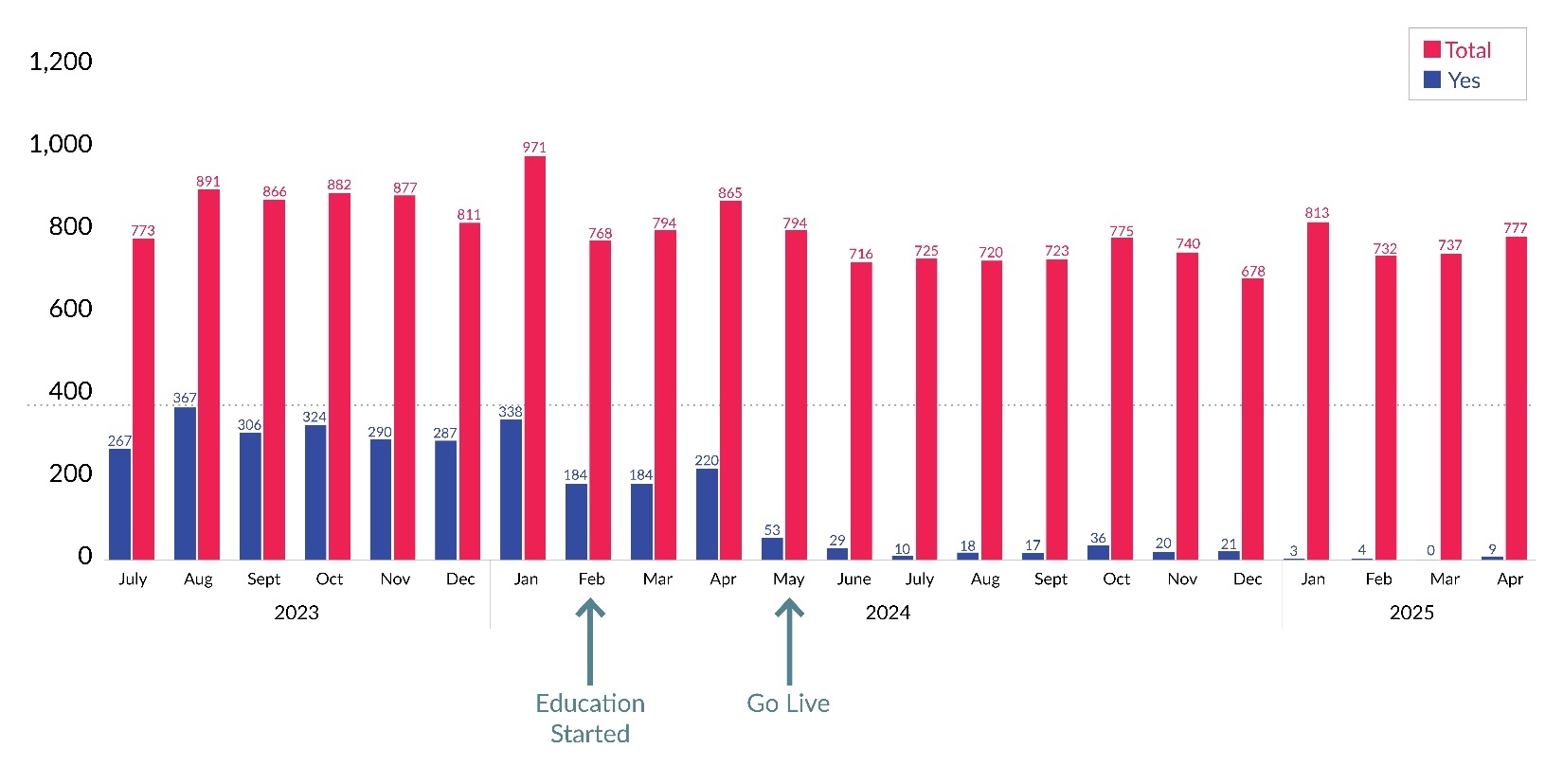
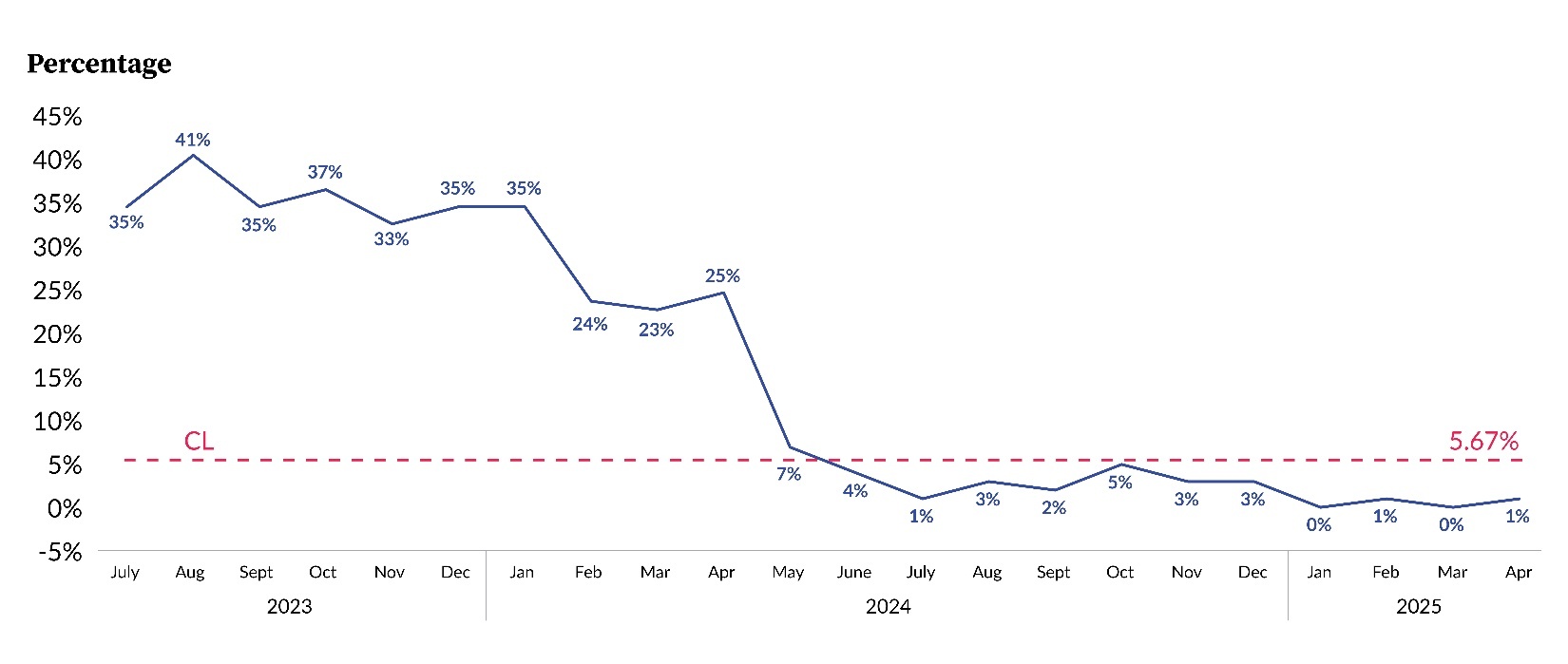
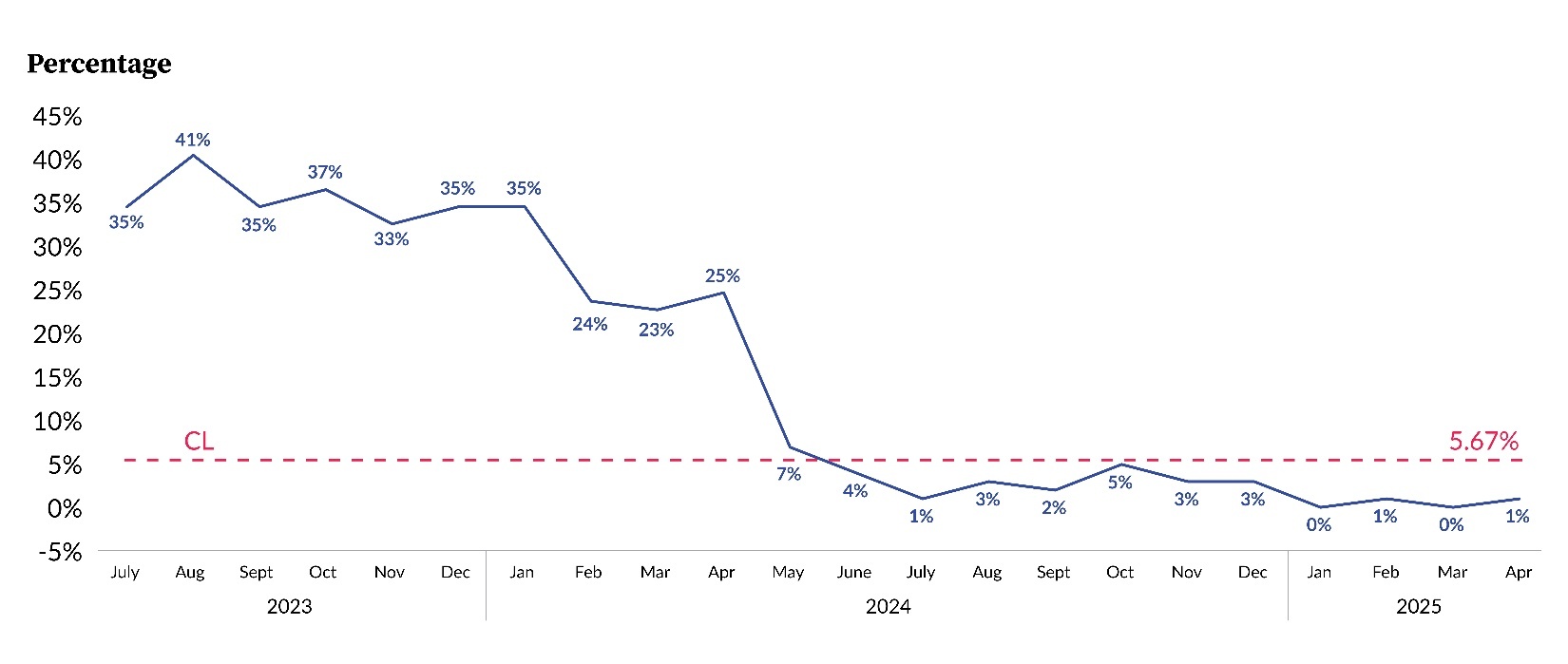
Orders titled “deconditioning” as the reason for consult decreased from 34.54% of total consults at the start of this project in FY23 to 1% of total consults into FY25 (Figure 7). This decrease was statistically significant when analyzing the data in a run chart (Figure 8) as well as looking at p value in a two-sample t test (Figure 5). Inappropriate consultations were not being caught until the treating PT team delegated cases the next day. Reasons that a consult would be deemed inappropriate include those listed in the “No” branch of Figure 4. Through this intervention, the time physical therapists spent chart reviewing reduced, the number of total consults was reduced, and the number of follow-up treatments increased. Providers expressed that following the education associated with this project on when to consult therapy services created more discretion amongst residents in placing orders too soon or inappropriately. This highlights the importance of consistent, interdisciplinary collaboration to evolve best practices at our hospital to fulfill the health system’s focus on early mobility for our patients on the medical and medical surgery service lines.
Figure 7 depicts the total number of consults per month and how many of them were titled “deconditioning” as the reason for the consult. The number of deconditioning orders significantly began to decline in February 2024 when education was provided to medical residents regarding the expected changes in their PT order sets. The data dropped more dramatically in May 2024 when the new order set went live.
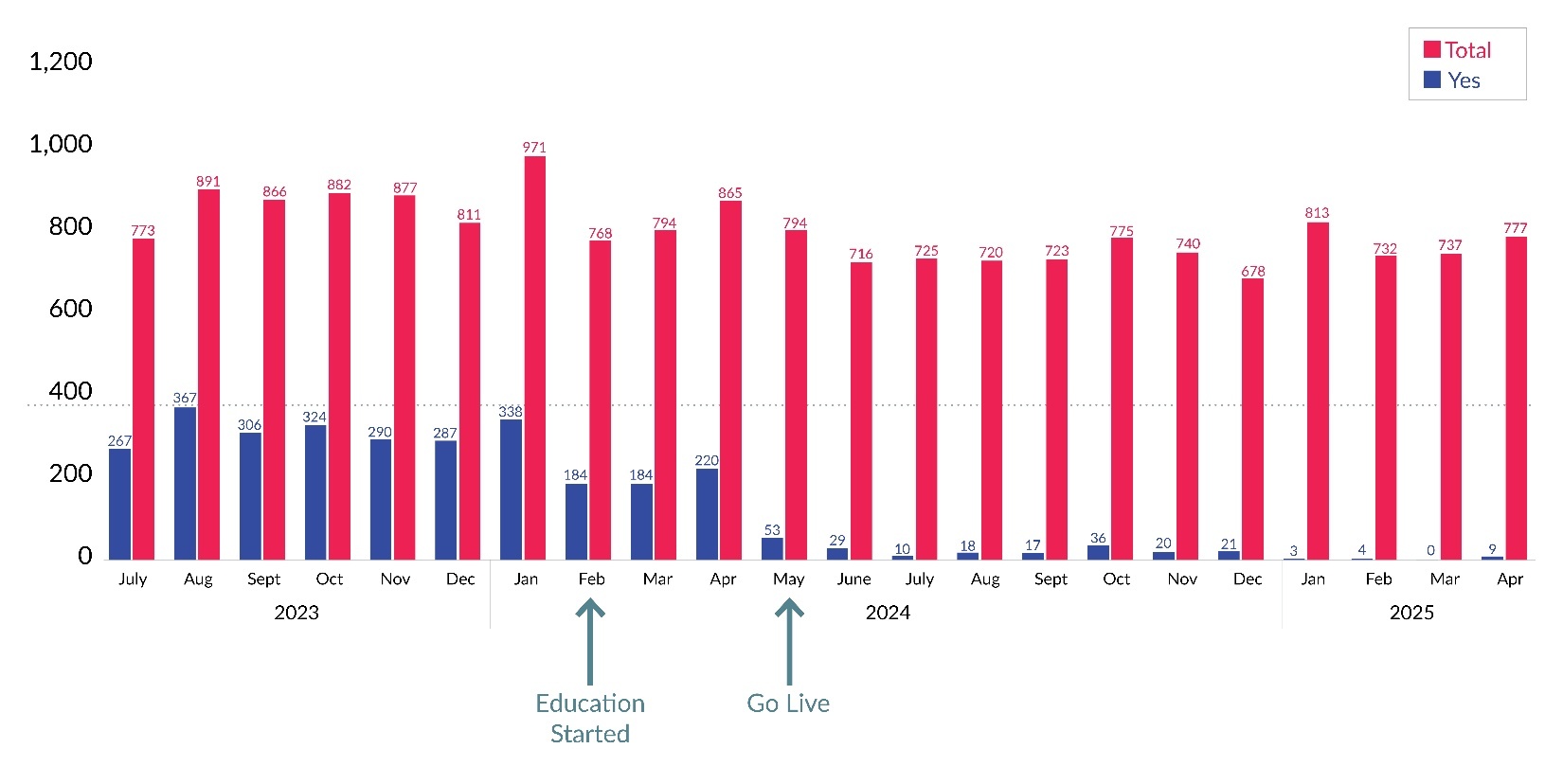
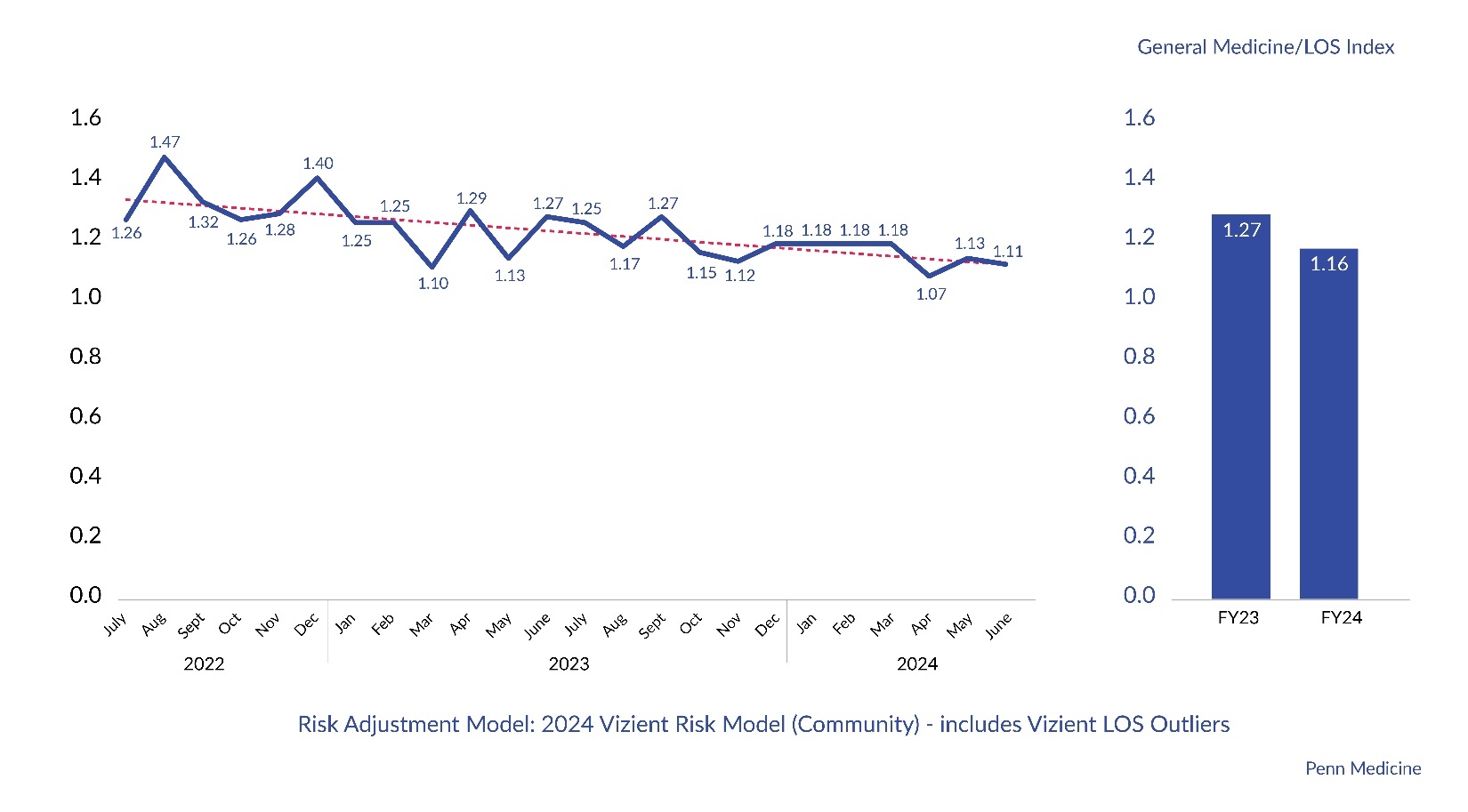
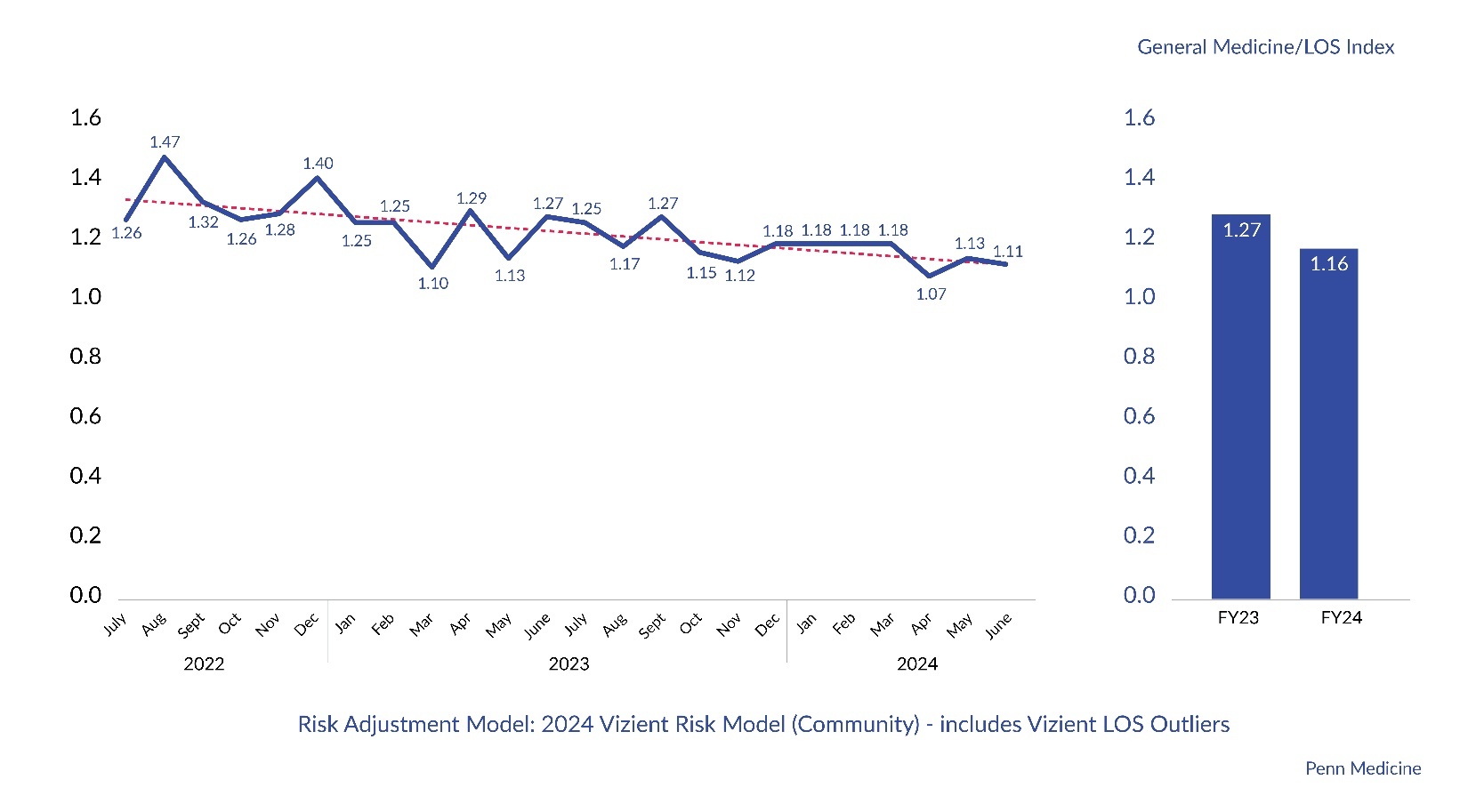
Figure 8 displays the percentage in a line graph form of the number of PT consults with reason as deconditioning. There is a consistent decline in occurrence as of February 2024, when providers were educated on the upcoming changes to the order set, and after the go live in May 2024. LOS data from FY23 indicated that the average patient was admitted for 6.41 days, with a hospital goal of 4.55 days overall. At the end of FY 24, the metric had reduced to 6.08 for an average LOS for medicine patients. However, when we look at this metric from an LOS index (observed to expected), the FY23 o/e was 1.27 down to 1.16 in FY24 (Figure 9).
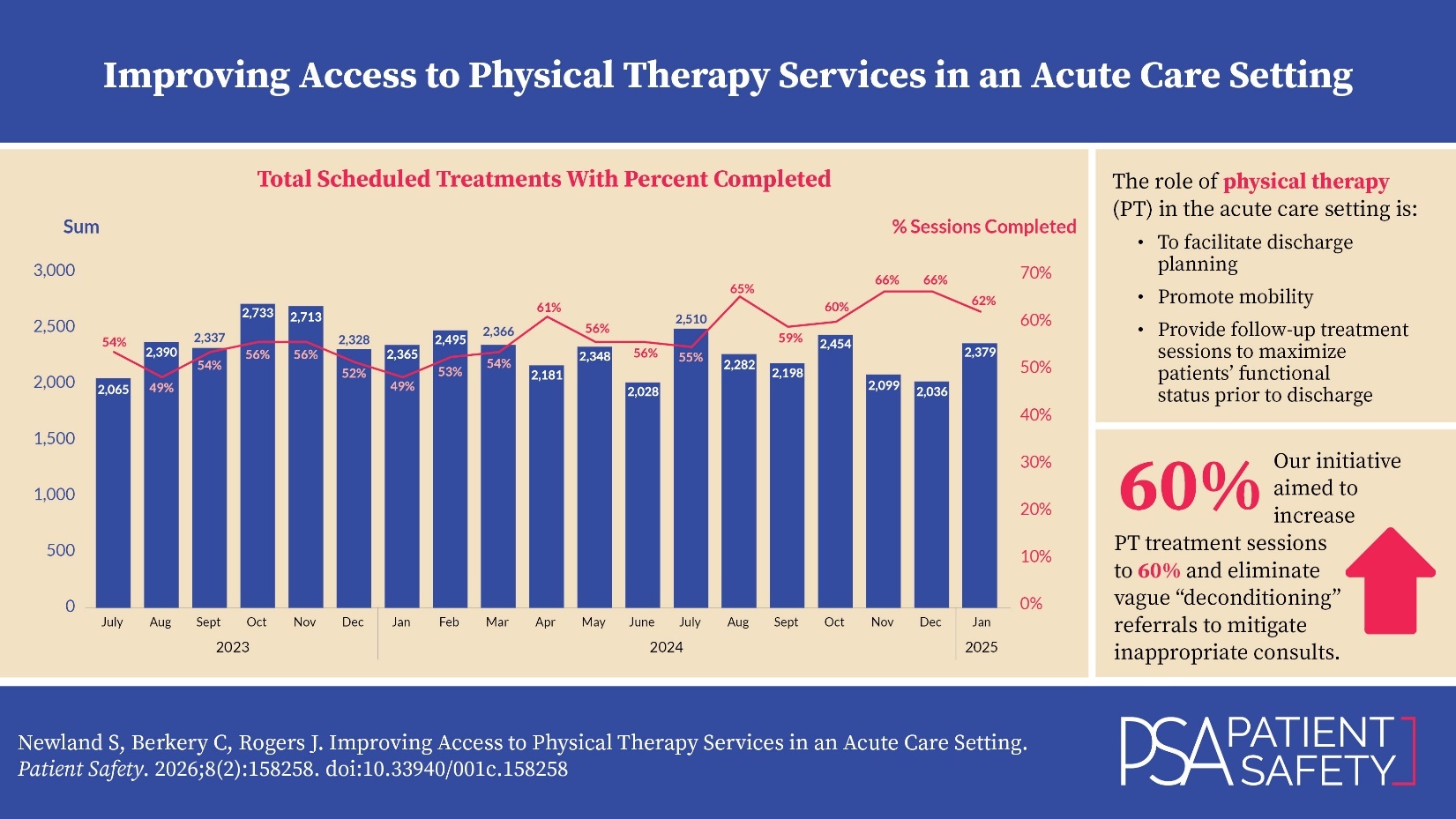
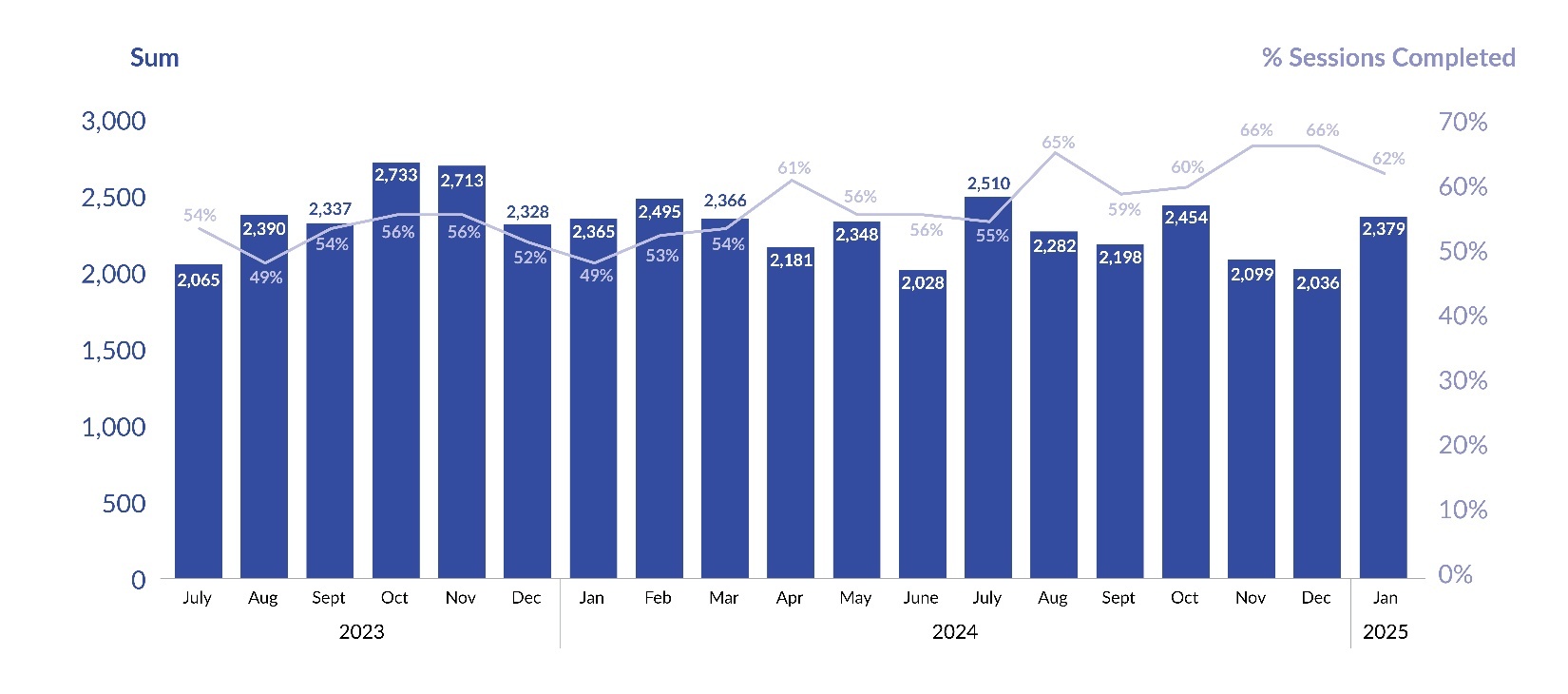
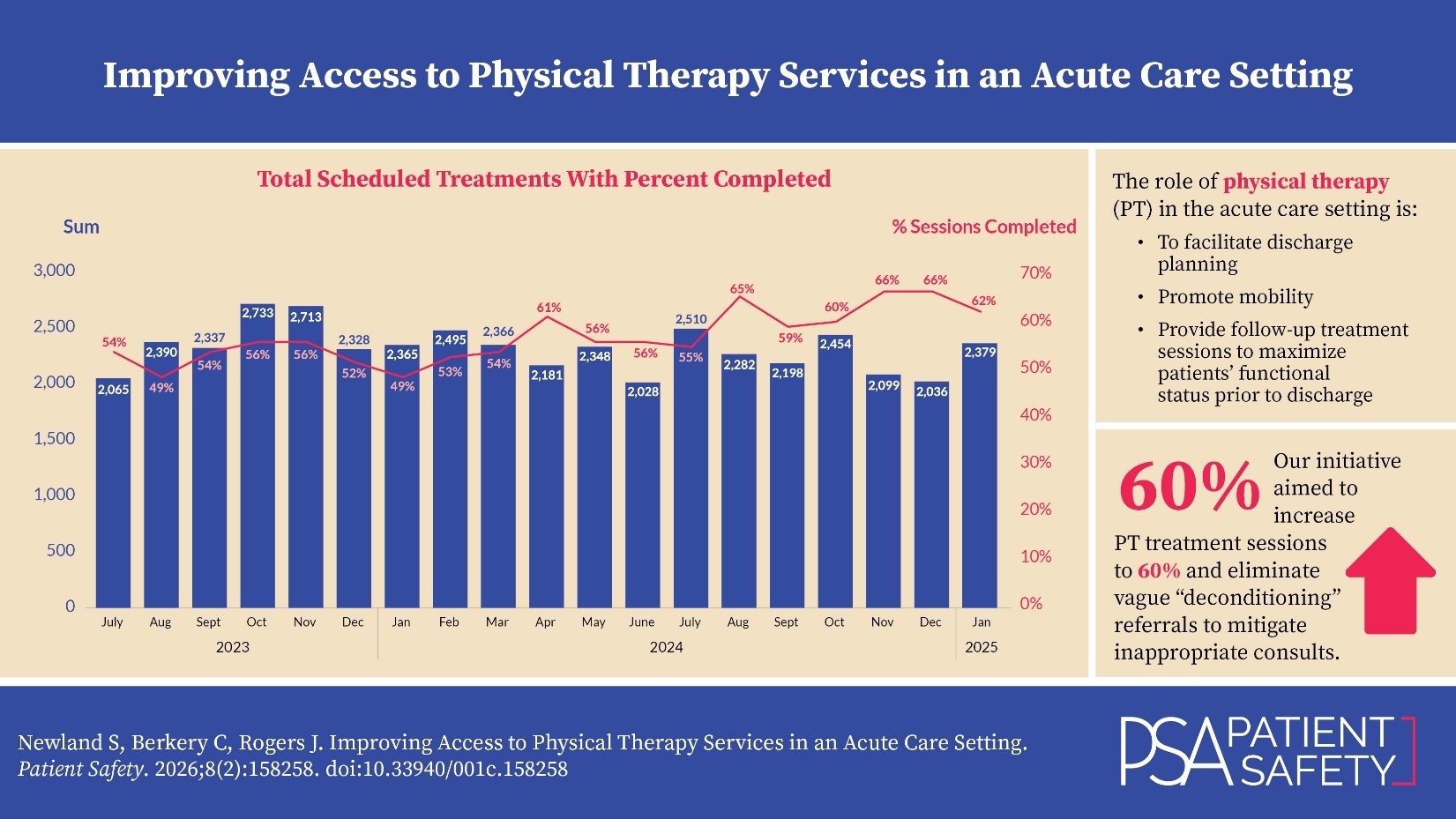
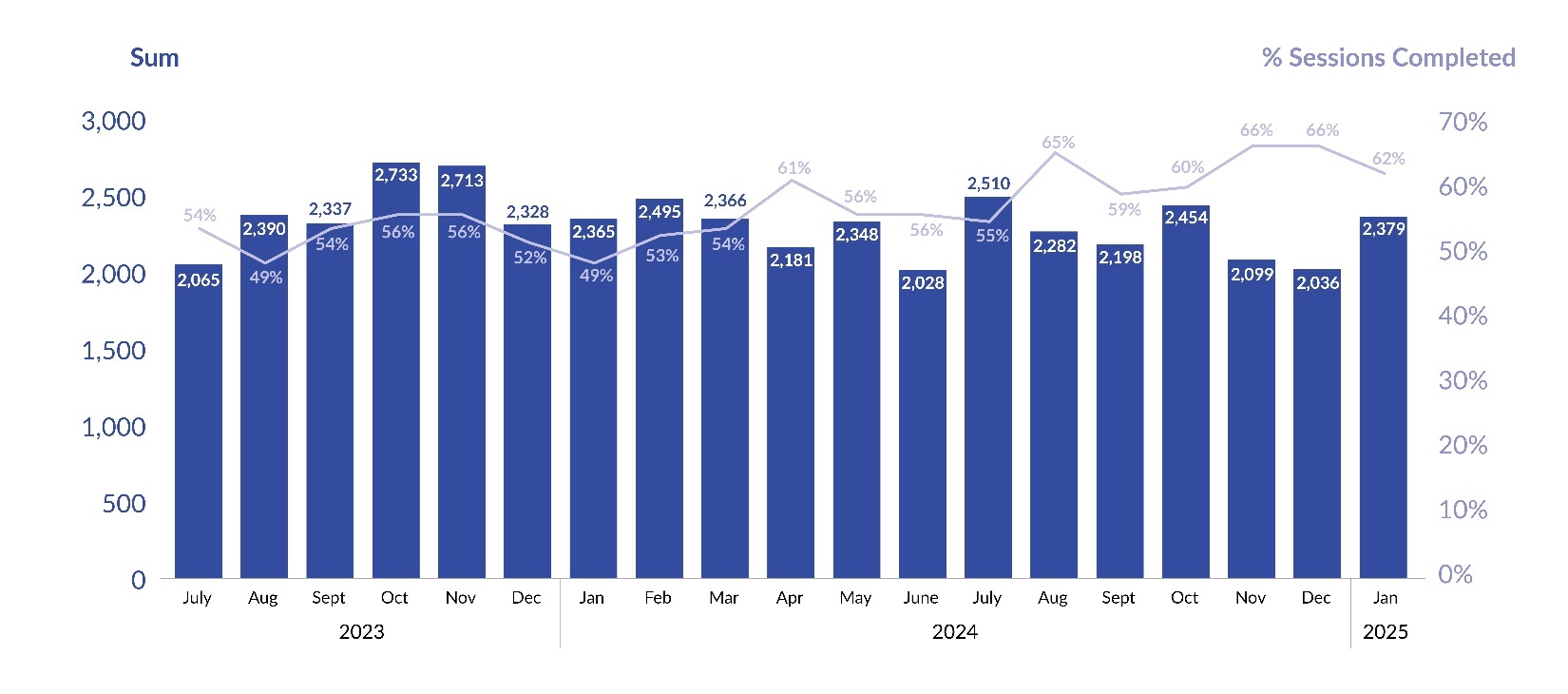
As a result of this project, PT order sets have been standardized across all entities in our health system to provide customizable selections for providers to apply. Deconditioning was removed as an option for “reason for consult” in our EMR system when providers admit patients in the emergency department. Providers now have the ability to create orders with clear, detailed criteria via preset checkboxes for common reasons and a free-text option for more specific elaboration on the patient case. This now requires the providers to physically examine the patient prior to ordering consults. By reducing the number of inappropriate or unnecessary PT consults in the hospital, the number of treatments completed increased from 43% in FY23 to 66% in FY24, surpassing the 60% goal that was set to align with keeping reasonable expectations related to staffing at the start of the project in July 2023 (Figure 10).
Figure 10 demonstrates the total number of PT treatment sessions scheduled and the percentage of treatment sessions completed from FY24 into FY25.
Discussion
This quality improvement initiative successfully improved the appropriateness and efficiency of inpatient PT consultations through a combination of changing therapy orders, provider education, and system-level standardization for process and procedure. By refining consult criteria and removing deconditioning as a reason for referral, the project achieved a substantial reduction in vague or inappropriate consults from 40% to as low as 1%, as well as an increase in the proportion of PT treatment sessions completed prior to discharge from 43% to 66%, surpassing the project’s goal of 60%. This increase can be attributed to a decline in the total number of PT consults and an increase in PT staffing over the course of the project. The interventions applied for this project were effective in removing “deconditioning” as an option for the reason to consult PT and encouraging providers to be more specific and intentional when consulting PT. However, it is difficult to definitively conclude that the modest increase in completed PT consults was solely due to the change in order sets. It goes to highlight that there are multiple drivers in maximizing physical therapy utilization in an acute care setting.
The outcomes of the project support the value of using a multidisciplinary team to gain investment and raise awareness on areas of waste in current practices in an acute care hospital. The project also reinforces the need for increased standardization of the process in consulting PT services, education to the multidisciplinary teams on facilitating appropriate PT consults, and meeting the mobility needs of patients while in the hospital. Sustainability was demonstrated regarding reduction of deconditioning as the reason for order, and treatments remain over the established goal of 60%; deconditioning as a reason for PT has sustained below 4% over the last 15 months. This project stemmed from the hospital’s goal to increase patient discharges to home and reduce overall LOS for the medicine service line. The standardization of order sets created an opportunity to increase physical therapy contact with patients to affect these metrics. The data demonstrates an increase in patients discharging from the acute care hospital to home and a general downtrend in patient LOS from our lookback to FY23 to present. These metrics are affected by a multitude of factors, and this project was a step in moving the needle to meet this health system goal. This implies that the increase in discharges to home was related to an increase in follow-up therapy sessions.
Strengths
The residents/providers were given in-person education on pending changes to the EMR system process for ordering PT consults prior to the actual rollout, which resulted in an immediate decrease of deconditioning orders. The cohesive multidisciplinary team of stakeholders worked collaboratively to provide unique perspectives, constructive criticism, and comprehensive solutions. The team was able to present materials and gain buy-in from the EMR governing body to create a systemwide change in order sets for providers to consult PT services. All meetings were held in person, which maintained the investment and engagement of all stakeholders, resulting in productive and timely execution of each step in the process. A successful contingency effort included compiling visual and in-person learning materials for nurses to advance the consistency of safe patient handling to facilitate carryover with PT interventions. The new-resident orientation was also updated to outline best practices with appropriate ordering and utilization of PT services.
Limitations
Building the interdisciplinary team of stakeholders was a slow process, primarily due to challenges in identifying and consistently involving a provider or resident because of their limited availability. Moreover, the project’s scope was restricted until midway through, preventing the early inclusion of their perspectives and input. Additionally, the meetings required to execute lasted 90 minutes, which made it difficult for clinical team members to be physically present with consistency. There was also a lack of communication from the EMR governing body on when the new order sets would go live, and education to the residents ended up being delivered three months in advance, likely creating a knowledge gap on the provider side on how to effectively consult PT services. The contingency plan for the project included formulating programming to provide mobility training to nursing systemwide, which was deemed valuable but ultimately could not be accommodated by nursing leadership. It was also noted that since the order set went live in May 2024, PT consults were being placed later in a patient’s episode of care. Provider feedback for the reason for delayed consults was most often that the residents focused on medical management and only included PT services when discharge planning needs arose. This likely contributed to missed opportunities for PT intervention.
The PT department at our hospital is not staffed to accommodate all recommended follow-up sessions established in the patient’s plan of care. This becomes increasingly important for the multidisciplinary team to collectively promote consistent mobility with other staff members, including providers, nurses, nursing assistants, and physical and occupational therapists. Of note, the PT department was approved for six more full-time employee positions between FY23 and FY25, growing the team from nine to 15 physical therapists. The new personnel were still in training through FY23, and the team had grown to 15 by mid-FY24. This created increased opportunities to complete follow-up sessions from an also-reduced pool of total consults.
Modifying the order sets to increase PT presence for the completion of recommended follow-up sessions was the first step. Next steps include the implementation of education to providers on management of PT consults to enhance the timeliness and appropriateness in therapy utilization. Future initiatives will include an early mobility program to empower nursing and personal care technicians to facilitate carryover with mobility initiated with PT services. Promoting mobility is a multidisciplinary effort to maintain evidence-based standards in patient care.
Conclusion
This quality improvement initiative demonstrated that enhancing consult clarity and implementing structured triage protocols can improve the rate of follow-up PT treatments and reduce the frequency of vague referrals citing “deconditioning.” These improvements suggest that when PT services are ordered with specific indications and are supported by clearer workflows, physical therapists are better equipped to prioritize care and allocate resources efficiently.
Continued efforts should focus on sustaining these improvements through provider education, standardized consult templates, and ongoing monitoring. Broader implementation across other hospital units and institutions may help determine the long-term impact of these changes on functional outcomes, discharge planning, and length of stay.
Disclosure
The authors declare that they have no relevant or material financial interests.
About the Authors
Sonya Newland (sonya.newland@pennmedicine.upenn.edu) joined the rehab department at Pennsylvania Hospital in 2021 after spending years as a travel contract therapist. She has worked in several clinical settings, including home care, skilled nursing, acute rehab, assisted/independent living, and outpatient orthopedics/worker’s compensation. In her time with Pennsylvania Hospital, she has held the role of a senior II physical therapist and now lead physical therapist, assisting with administrative operations as well as direct patient care. She has participated in several committees and conferences, collaborating with interdisciplinary teams to increase appropriate therapy utilization in an acute care setting. She enjoys jigsaw puzzles, yoga, and traveling in her spare time.
Chelsea Berkery is a master improvement advisor and joined Pennsylvania Hospital (PAH) in 2021. She has worked on a variety of different projects across multiple departments, some of which include obstetrics length of stay, mortality improvement, and other quality and operational efforts. Prior to coming to PAH, Berkery worked in a variety of hospital settings focused on patient satisfaction, patient safety, and quality improvement. She obtained her master’s in healthcare administration from the University of Scranton and her Lean Six Sigma Green Belt Certification from Rutgers University. In her free time, Berkery enjoys traveling (visiting Disney World frequently), working out, and spending time with her husband and son.
Jenna Rogers is an advanced clinician II working at Pennsylvania Hospital since 2012. She earned her doctor of physical therapy degree from Temple University. She specializes in neonatal therapy and became a certified neonatal therapist in 2021. Rogers has worked on hospital initiatives, including reduction in aspiration pneumonia, and presented multiple posters through the National Association of Neonatal Therapists since 2016 as well as the American Physical Therapy Association Combined Sections Meeting. In her free time, Rogers enjoys reading, watercolor painting, running, and spending time with her husband and two kids.