Background
This interview project expands upon our recent study “Suicide and Attempted Suicide Within Inpatient Psychiatric Units: A 10-Year Analysis of 143 Serious Events Across 50 Facilities,”1 which identified several novel findings. The primary aim of that study was to quantify how much and how often certain variables (i.e., risk factors) were associated with suicide-related events. Although the study successfully quantified these associations, it was not designed to explain why the variables were linked with attempted suicides or suicides.
The purpose of this project is to gather qualitative data that provides insight on why the variables explored in our prior study may contribute to suicide-related events. To achieve this, we conducted semistructured interviews with staff who have direct experience in psychiatric inpatient units. The interview inquired whether our findings from our previous study were aligned with the participants’ expectations, what factors might explain those findings, and what strategies could help mitigate the risk of suicide-related events in their facilities. This qualitative approach will generate themes based on participant perspectives that complement and deepen the insights from our prior study.
Approach
We conducted nine semistructured interviews of 10 people, including one interview with two participants from the same facility. All participants had at least three years of experience with the challenges of ensuring patient safety within an inpatient psychiatric unit, either within an acute care hospital or a standalone psychiatric hospital. We sought participants who were employed as a behavioral health supervisor or manager, or a patient safety officer (PSO) or director for an inpatient psychiatric hospital. We did not recruit PSOs or leadership from acute care hospitals, because their roles typically do not involve direct experience with the psychiatric environment and population.
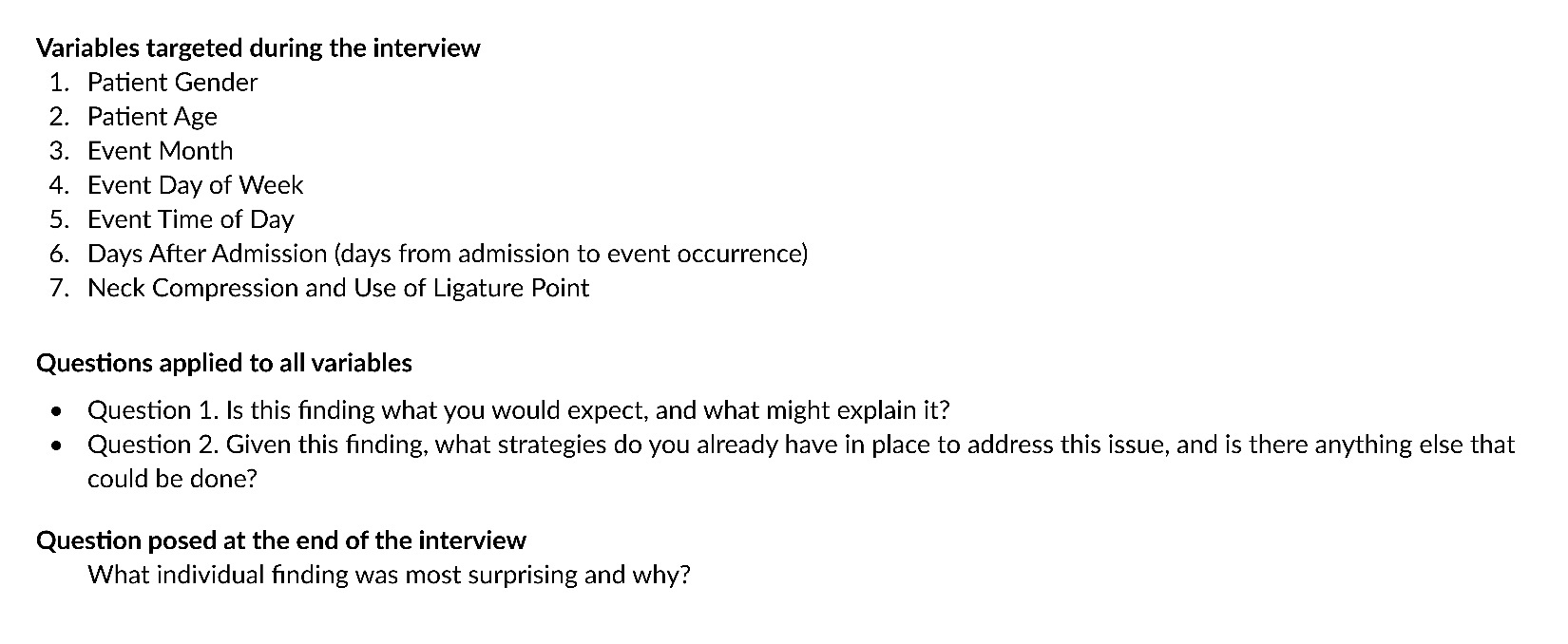
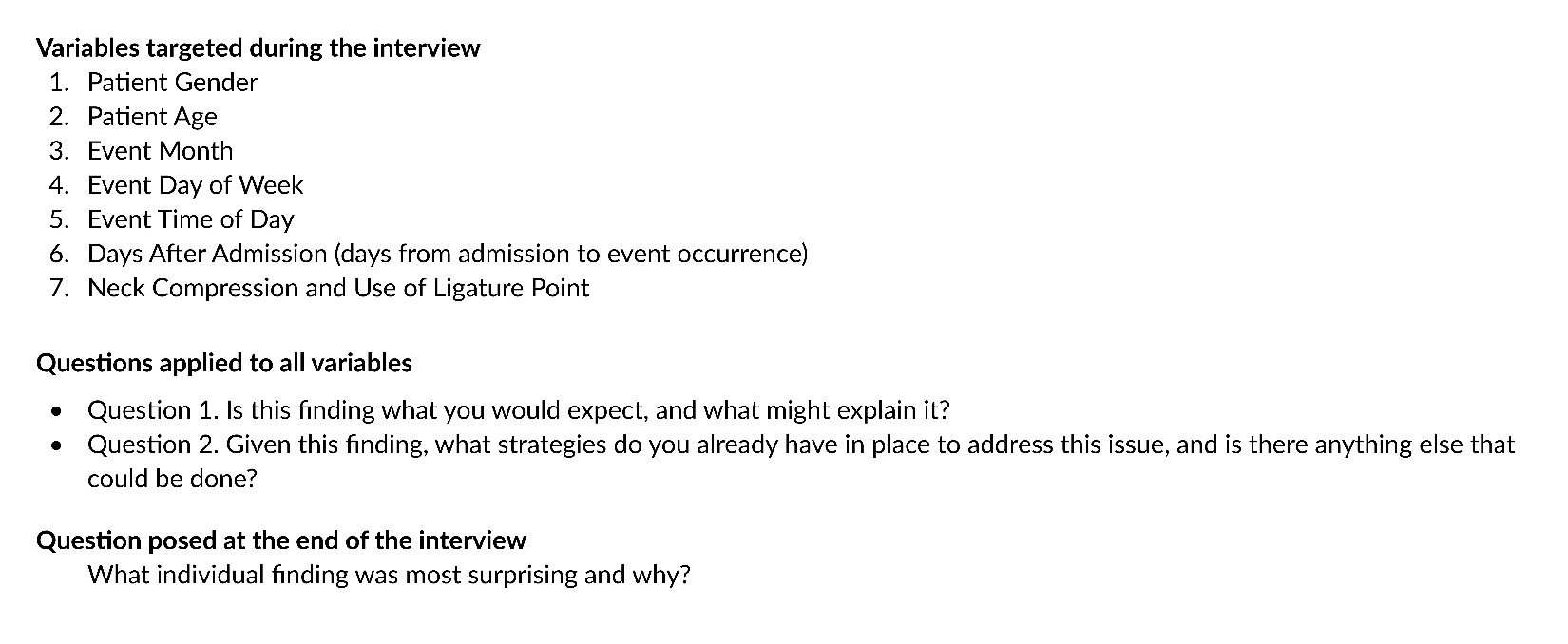
As listed in Table 1, during each interview seven variables were discussed, and the same two questions were posed per variable. Participants were not informed of the interview questions or findings from our prior study1 in advance of the interview. The interviews were conducted, recorded, and transcribed using Microsoft Teams. The interview was facilitated by showing the participants a PowerPoint slideshow with our previous research1 findings per variable (see Figures 1–6 and Table 2). Before posing questions to the participants, the interviewer summarized the primary findings, which were largely based on a descriptive analysis. The interviewer informed the participants when the results were statistically significant, and those results are identified below. As a result, participants provided explanations for patterns as they appeared visually, which may not reflect true statistical differences. Across all participants, interviews were an average and median duration of 73 minutes and 69 minutes, respectively. All transcript data were de-identified prior to analysis.
Interview data were analyzed manually and with artificial intelligence (AI), which used default settings (Microsoft Copilot, version: bizchat.20260414.49.1). Use of AI began with development of a structured prompt that identified study context, analysis objectives, requirements, and output structure. The prompt was tested and refined across many iterations until it reliably produced an output that was complete and with a high degree of accuracy. Analysis was performed by variable, with one transcript file per variable. Coding and themes were initially developed by AI and then manually reviewed and modified by the researcher (i.e., human-in-the-loop).
What We Learned
Across the nine interviews, the participants held a range of job titles, including director of behavioral health, director of risk management, patient safety officer and director of compliance, supervisor of behavioral health, and director of quality improvement and regulatory affairs. Four interviews involved staff from acute care hospitals, four were from psychiatric hospitals, and one had a role at both types of hospitals. Inpatient psychiatric capacity ranged from 42 to 110 beds. Five of the hospitals served adults only, one served child/adolescent patients only, and three had patients across all age groups.
Variable 1: Patient Gender
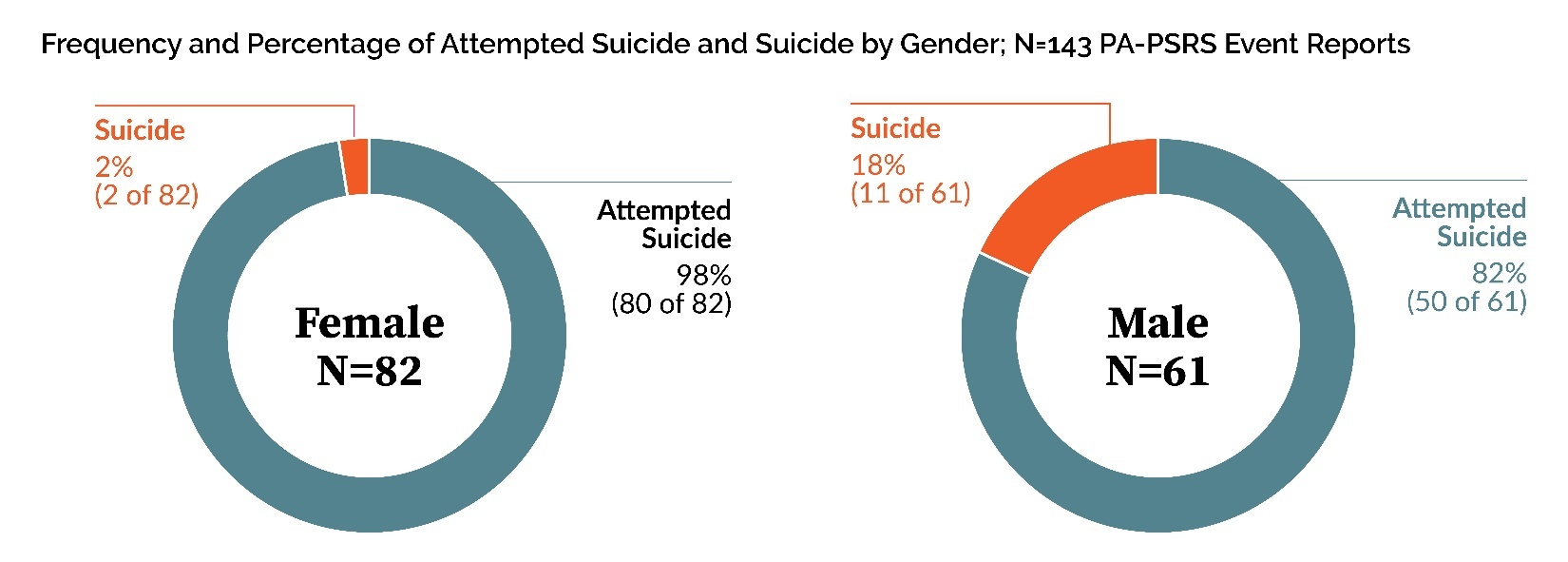
The interviewer presented Figure 1 to each participant and explained that it shows a higher frequency of deaths by suicide among male patients and a higher frequency of attempted suicides among female patients.
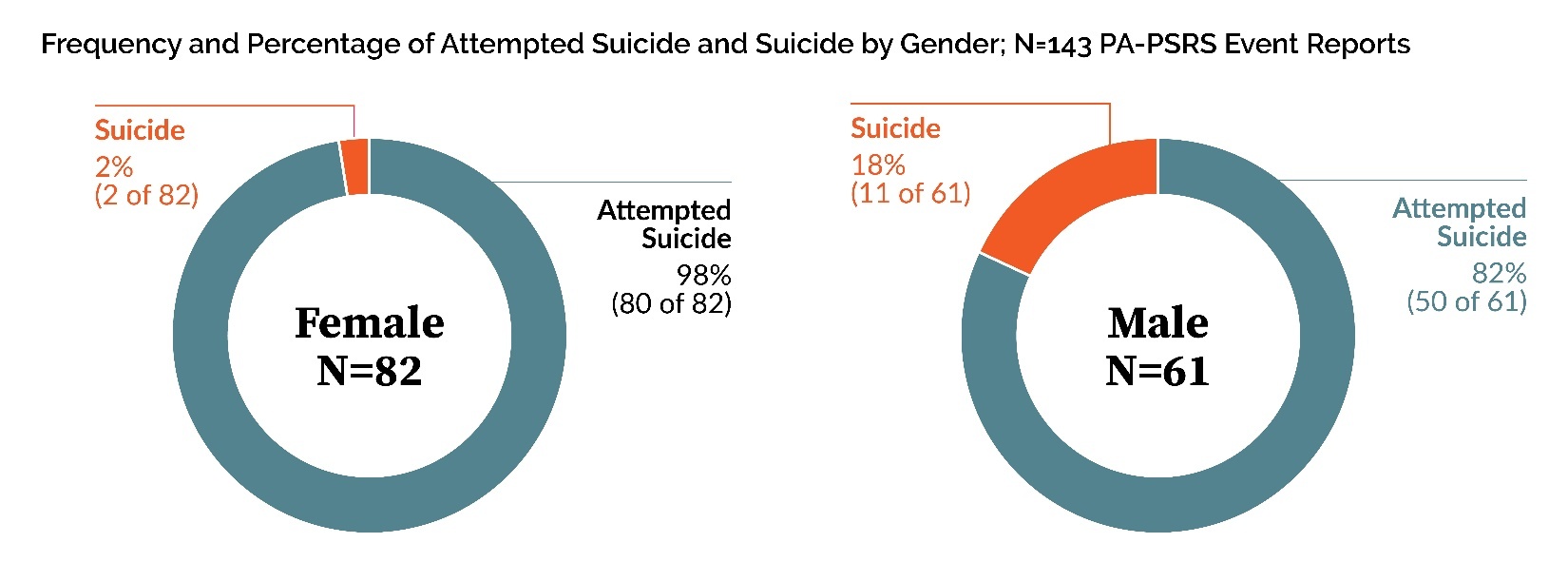
Is This Finding [Figure 1] What You Would Expect, and What Might Explain It?
Participants consistently reported that the observed quantitative pattern was aligned with their expectations. A prominent theme across participants was that male suicide attempts involve greater determination, intent, and/or potential lethality. Another theme was the perception that males tend to conceal emotional distress, sometimes providing few observable cues prior to an event. One participant described an instance in which a male patient remained outwardly calm and friendly immediately before dying by suicide. In contrast, participants described female attempted suicides as more frequent, less lethal, and often more visible within the inpatient setting. Many referred to these behaviors as “gestures,” “superficial,” or “attention-seeking.” Several participants also described scenarios in which female patients engaged in behaviors “right in front of you so you can stop them” or disclosing their actions directly to staff.
Participants attributed these gender patterns to differences in emotional expression, communication style, and psychosocial expectations. Several participants stated that female patients may verbalize distress more readily, while males may avoid displaying vulnerability and may resist treatment. One participant described the social expectation that men must “buck up,” suggesting that stigma surrounding vulnerability may inhibit help-seeking among male patients.
A commonly discussed challenge involved distinguishing repetitive self-harm behaviors from genuine lethal intent, particularly among female patients. Some of the participants expressed uncertainty about underlying motivation and future escalation of risk. One participant questioned whether suicide “gestures” might represent “their way of crying out for help,” while acknowledging that repetitive behavior could unintentionally become lethal.
Participants also discussed whether the higher total frequency of suicide-related events among female patients reflected census differences between males and females. Most participants reported that their units did not consistently have more females than males. Only a few participants reported periods with a modestly higher female admission rate, but they did not believe this fully explains the pattern identified in our previous study.1
Given This Finding [Figure 1], What Strategies Do You Already Have in Place to Address This Issue, and Is There Anything Else That Could Be Done?
Despite acknowledging gender-specific patterns in behavior and lethality, participants consistently reported that their facilities use standardized suicide prevention practices for all patients, regardless of gender. Core practices, depending on the degree of risk, include 15- or 5-minute safety checks (Q15 or Q5 minute), a patient always being within staff’s full visual field, 1-to-1 observation, suicide risk assessments, ligature-resistant environments, removal of personal items, and structured room searches.
When asked what additional interventions could reduce gender-related risk, most participants stated that there were few or no gender-specific strategies that could be added. Some, however, offered suggestions focused on improving male help-seeking behaviors and strengthening staff education about gender patterns and lethality patterns shown in the prior study. One participant proposed a “Big Brother kind of program” to help male patients express emotions, while another participant suggested addressing stigma directly: “Talking about stigma more … getting them more engaged.”
Variable 2: Patient Age
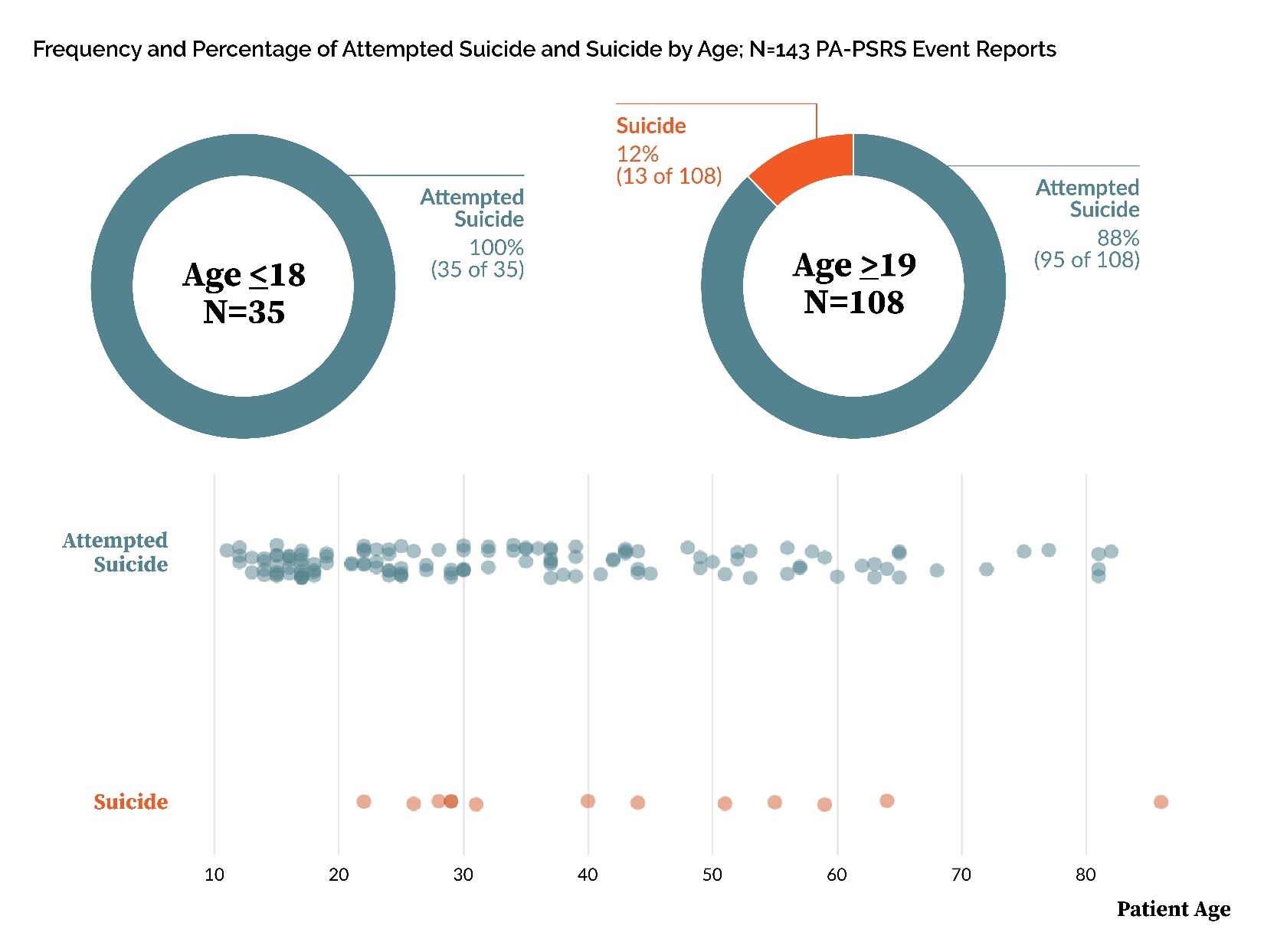
The interviewer explained to the participants that Figure 2 reveals that there were zero suicides among patients age ≤18 years, yet they accounted for a substantial proportion of suicide attempts. In contrast, all suicide deaths were associated with patients age ≥19 years.
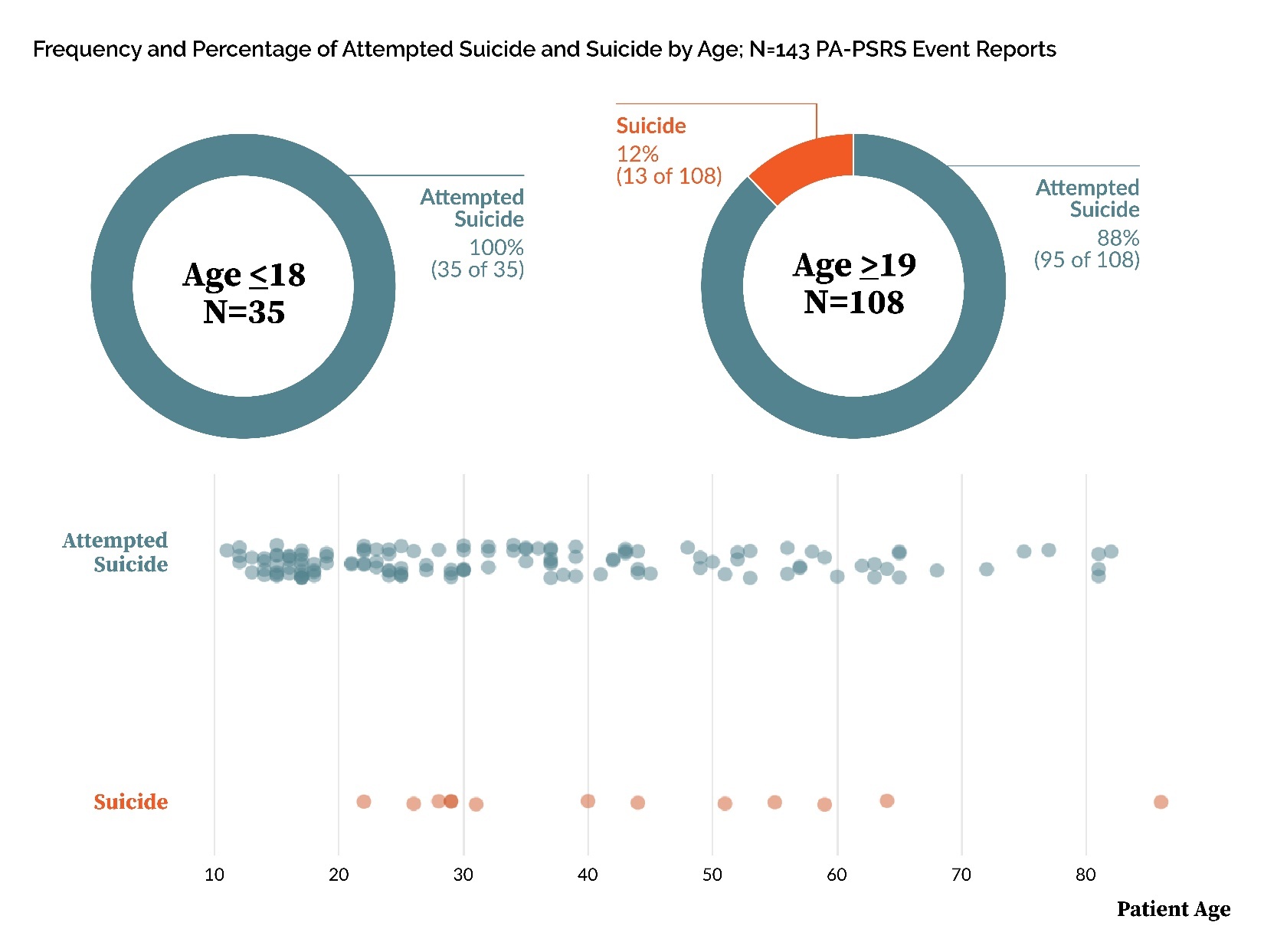
Is This Finding [Figure 2] What You Would Expect, and What Might Explain It?
A majority of participants stated that the observed relation between patient age and suicide-related events was consistent with their clinical experience and expectations.
Participants frequently described adolescent patients (age ≤18 years) as engaging in suicidal behaviors characterized by impulsivity, poor coping mechanisms, developmental immaturity, and emotional reactivity (e.g., peer-driven reactions). Their attempted suicides were widely interpreted as communicative acts rather than expressions of lethal intent. For example, one participant explained that staff see “a lot of gesturing … no substance behind it,” while another noted that some adolescent attempts are “superficial type things.”
Participants commonly cited low lethality methods by adolescents, often involving objects or bodily actions unlikely to result in fatal outcomes. Examples included attempts by wrapping a sweatshirt around their neck and by scratching their skin with fingernails. These actions were widely perceived as attempts to express distress or elicit attention rather than enact suicide.
In contrast with adolescent units, adult units often allow greater freedom, including time spent alone in rooms, which participants identified as increasing risk. Participants described adults as acting with greater seriousness, planning, and intent. Adult suicidal behavior was commonly attributed to cumulative life stressors that participants described as devastating or chronic. These included legal problems, such as returning to jail, homelessness, and loss of employment or child custody, and chronic medical conditions. Participants described these stressors as contributing to a deeper sense of hopelessness and permanence compared with adolescent presentations.
Given This Finding [Figure 2], What Strategies Do You Already Have in Place to Address This Issue, and Is There Anything Else That Could Be Done?
Adolescent units were described as highly structured, with intensive monitoring and more restrictive safety features. One participant noted that their program has “a mandate to keep these kids safe at all costs.” One participant who works with adult patients explained that they place older adults together so they “have more in common” and feel less isolated. When asked what additional actions might reduce risk, participants suggested enhancing education for staff about the risk patterns indicated by the findings from our previous study.1
Variable 3: Event Month
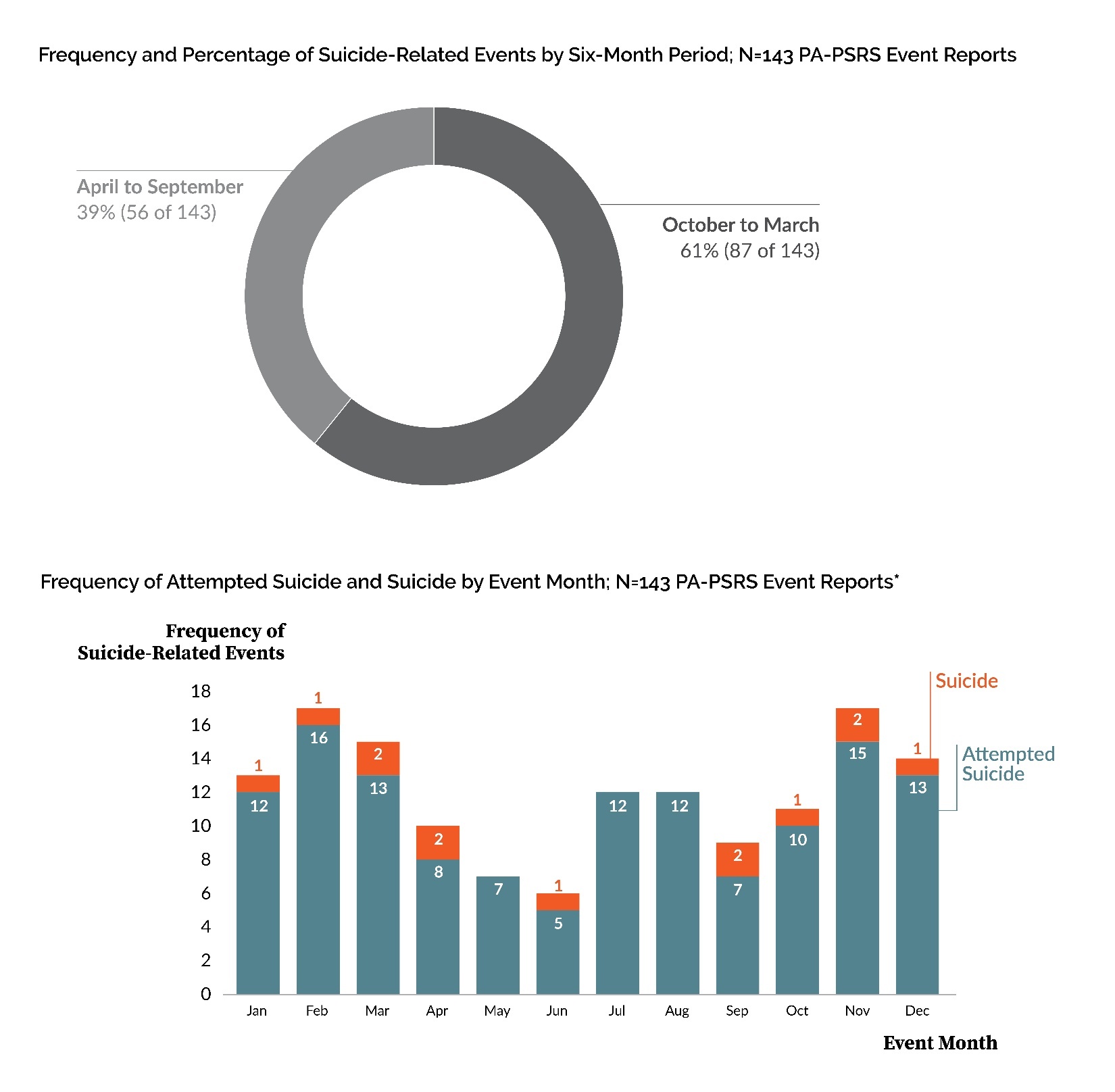
Figure 3 shows, as explained by the interviewer to the participants, that a majority of suicide-related events occurred during the six-month period of October to March, as opposed to April to Sept. A statistical test revealed that the frequency of suicide-related events during October to March were significantly greater than the expected value from a uniform distribution: Χ2(1,143)=6.72, p=0.0095. The figure also reveals that each of the months during October to March had at least one suicide, while only half of the months during April to September had a suicide.
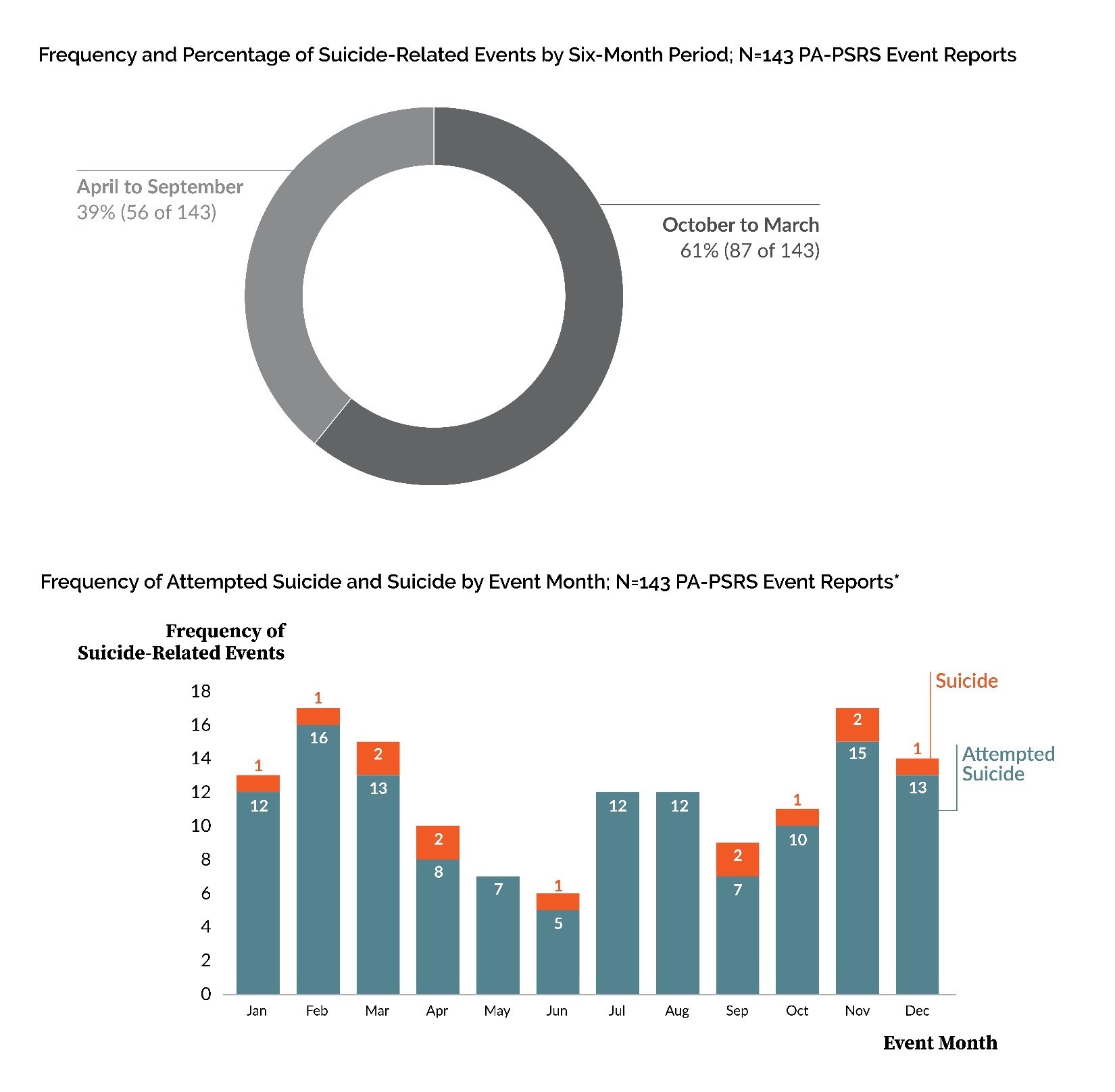
Is This Finding [Figure 3] What You Would Expect, and What Might Explain It?
There was broad agreement among participants that suicide-related events within inpatient psychiatric units occurred more frequently during the colder months of October through March. There was a range of possible explanations, including seasonal emotional changes, holiday-related distress, limited daylight, indoor confinement, combination of unstable housing and poor weather, and greater census.
Several participants mentioned seasonal affective symptoms as an explanation for the findings in the previous study. For example, one participant stated that “everybody gets the blues in February” and another stated that people feel “a little stir-crazy around the end of winter.” Participants frequently described psychiatric units as having limited natural light and restricted outdoor access. In some units, outdoor courtyards existed but were closed due to winter weather or safety concerns.
Participants consistently associated the holiday season with intensified emotional difficulty and described it as “one of the hardest times … family issues.” Some participants attributed suicide-related events in colder months to guilt, internalized expectations, and/or loss. For example, one observed that patients are often “lonely at Christmas … no one visits them” and another described the holidays as difficult for those who “don’t have loved ones.”
Participants identified patients who are homeless or with unstable housing during the winter as a possible explanation for an increase of suicide-related events. One participant stated, “maybe they don’t want to go back out on the street again … deep freeze in December.”
Participants differed in describing how patient census fluctuated throughout the year, particularly between adolescent and adult units. Several reported increased census among patients age ≤18 years during colder months, citing school-year stress and school-based referrals, and then “our census goes down significantly in the summer … half the amount of kids in June to August.” Others, however, described opposite patterns among adult patients. One participant reported “less patients in late fall and winter and more in spring and summer.” Despite differences in census patterns, participants generally agreed that census alone did not account for seasonal spikes in suicide-related events. One participant stated that winter census is often higher, but it is “not to the degree shown in the graph.” Overall, census fluctuations were viewed as possibly a partial explanation, but not a primary explanation for the observed patterns.
Given This Finding [Figure 3], What Strategies Do You Already Have in Place to Address This Issue, and Is There Anything Else That Could Be Done?
Across interviews, participants described highly standardized clinical and safety procedures that did not change across months. Statements such as “I can’t say we’re doing anything to address that specifically” and “we take the same precautions … not looking at the calendar” reflect a consistent approach across participants. Some facilities reported increased hiring during particular months, but these were described as logistical actions rather than targeted suicide-prevention strategies.
Where topic-specific strategies were identified, they tended to focus on maintaining patient engagement and addressing emotional needs that arise during colder months. Several described efforts to promote physical activity and take patients for supervised walks through the building. One facility emphasized holiday programming, noting that “we celebrate all of the holidays … try to make it festive,” including decorations and activities such as seasonal artwork.
Participants offered several suggestions to address seasonal patterns in suicide-related events. These included increasing staff education of the “January through March risk” and the importance of family involvement. A number of participants identified systemic gaps in outpatient or community support services. One participant stated that “more external resources, more outpatient resources” would help mitigate patient instability that may carry into inpatient settings.
Variable 4: Event Day of Week
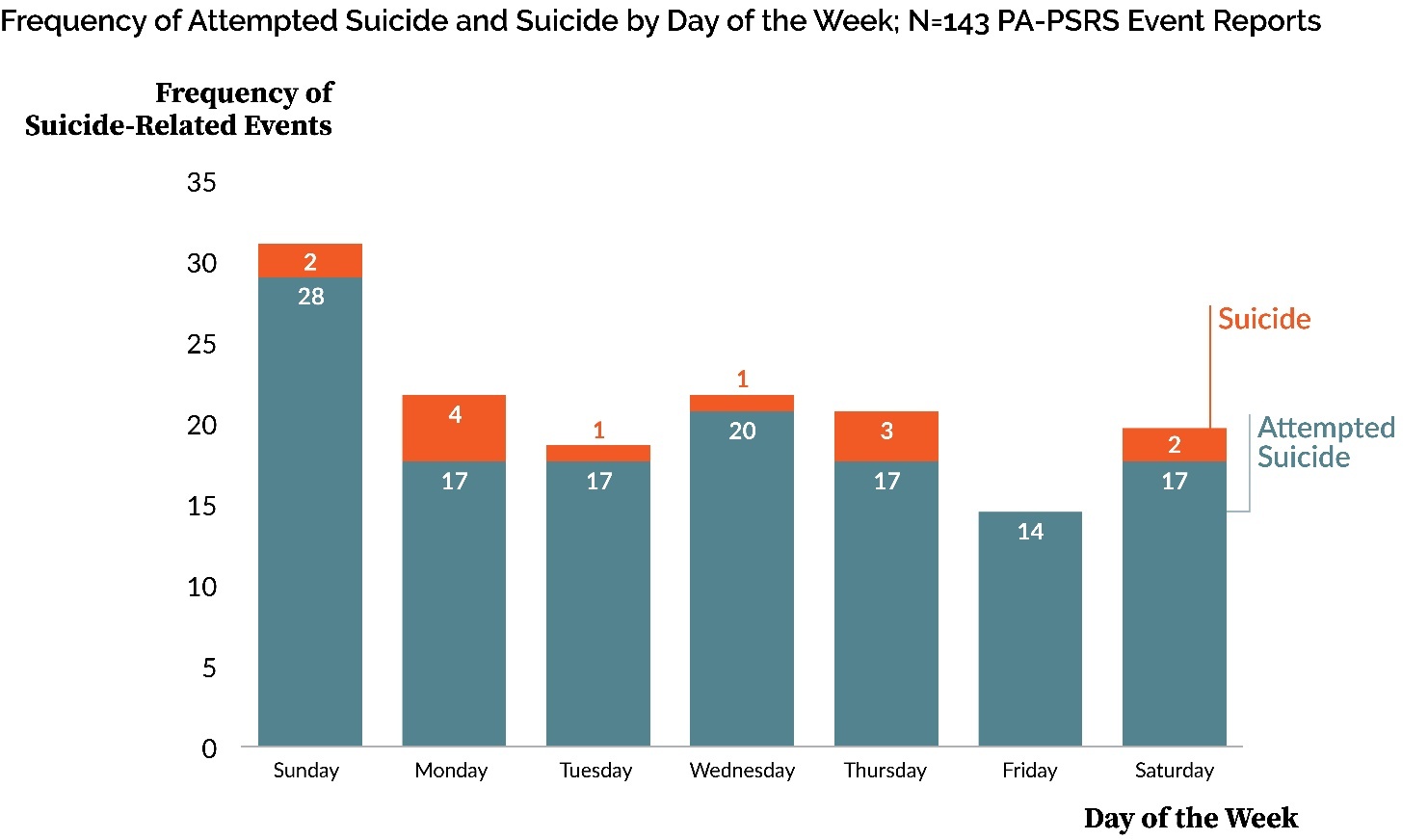
The interviewer communicated to the participants that Figure 4 shows that suicide-related events ranged from a high of 30 on Sunday to a low of 14 on Friday. Sunday, relative to all other days, had at least 43% more events occurring than each of the other days.
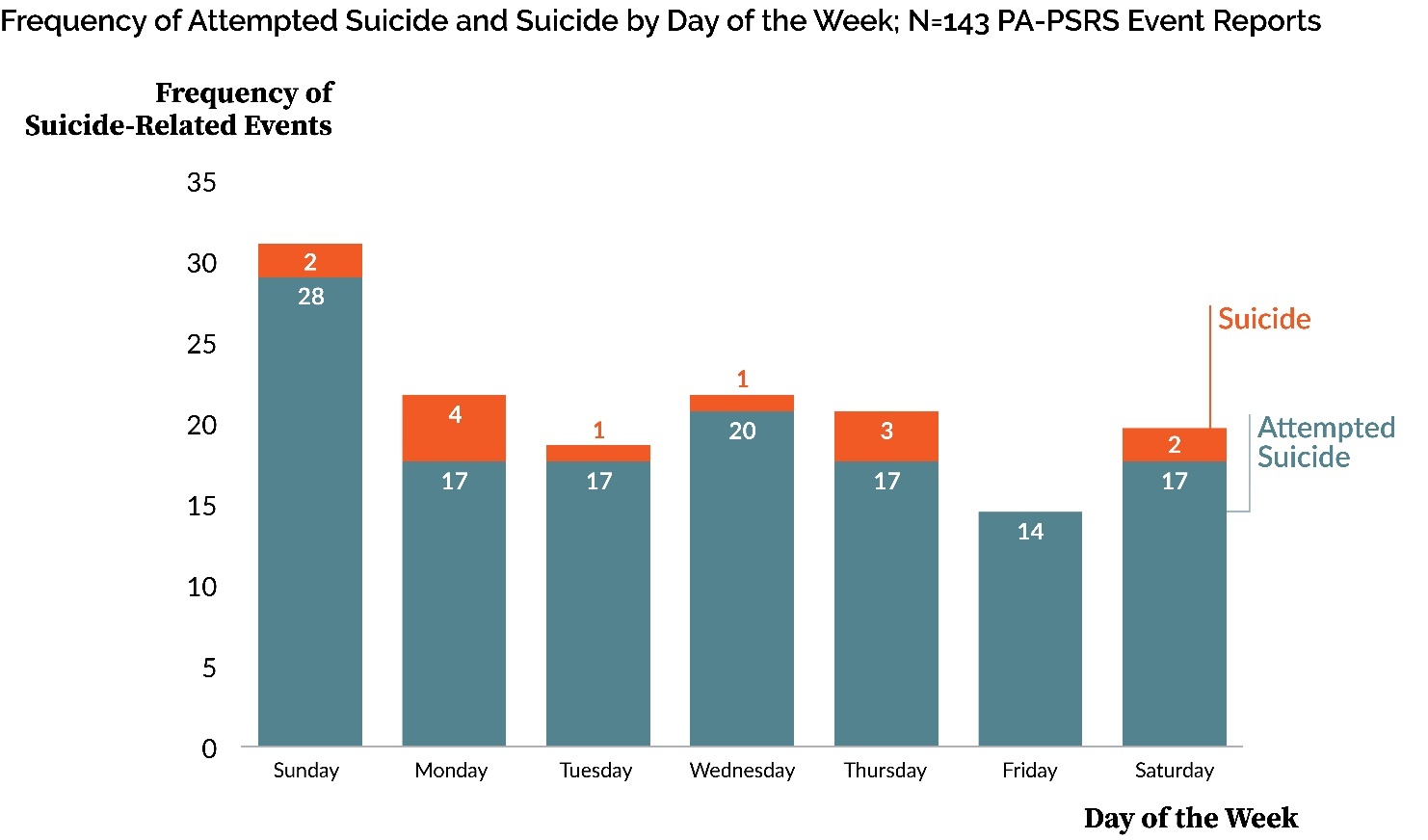
Is This Finding [Figure 4] What You Would Expect, and What Might Explain It?
Many of the participants stated that they had no indication or never contemplated whether there would be fluctuation in the frequency of suicide-related events by day of the week, but several stated that they were not surprised by the findings. Participants described distinct differences in programming, patient experiences, and staffing patterns across days of the week, particularly between weekdays and weekends.
They emphasized that the reduction in activities during the weekend leaves patients with more unoccupied hours, often resulting in increased rumination. One participant noted, “Weekends are … typically slower … can be very tough,” and another described “a lot more downtime” associated with limited weekend staffing. Several reported that decreased therapeutic engagement may contribute to patients thinking in ways that increase distress or leave them “trapped in their own thoughts more.” As one participant stated, weekends often rely on “skeleton crews … less clinicians” and another noted that weekend staff differ from regular treatment teams.
Several participants identified weekend visitation as an emotionally potent factor linked to increased patient distress. Participants noted that family interactions may destabilize patient affect and that weekend visits may require staff intervention when patients experience “a bad interaction with parents.” In contrast, other participants emphasized distress arising from absence of visitation. For example, youth express feelings such as “my mom didn’t come to see me,” especially when other patients are being escorted to their scheduled visits. This comparison appeared to amplify emotional vulnerability for those without visitors.
Participants noted that weekend admissions may escalate overall unit acuity by Sunday. As one participant described, there are “more on Friday and Saturday night … brought in by police.” Participants suggested that these new arrivals, sometimes unmedicated and often distressed, may contribute to environmental instability.
Participants also described how the transition from weekend to weekday influences patient emotional states. Some emphasized that patients dread Monday responsibilities, including school or interactions with treatment teams. One participant shared that on Sunday, we all know “Monday is coming … there’s always going to be chaos on Monday.” Others linked distress to the realization that discharge would not occur over the weekend; as one participant described, patients may learn “they’re not going [home] … things go South.” Another participant noted that religious considerations might influence emotional states on Sunday, describing “some form of religious guilt … depending on background.”
Given This Finding [Figure 4], What Strategies Do You Already Have in Place to Address This Issue, and Is There Anything Else That Could Be Done?
Participants reported use of general safety procedures, such as monitoring visitation, but none described interventions specifically targeting day-of-week risk. For example, one participant explained that visitors “lock their stuff up … staff [observe] visitation,” and another stated that staff may restrict visitation “if we believe a visitor is a risk.” Some participants reported efforts to maintain weekend programming where possible, but they were often described as being less robust and frequent than programming during the weekdays.
While no participant indicated that their facility currently uses day-specific interventions, many offered suggestions that could mitigate weekend vulnerabilities. These included expanding weekend programming, increasing staffing levels, and creating more intentional and proactive therapeutic contact. Participants also suggested anticipating challenges associated with discharge planning and visitation, including improved communication with patients about discharge expectations and enhanced awareness of visitor-related risks.
Variable 5: Event Time of Day
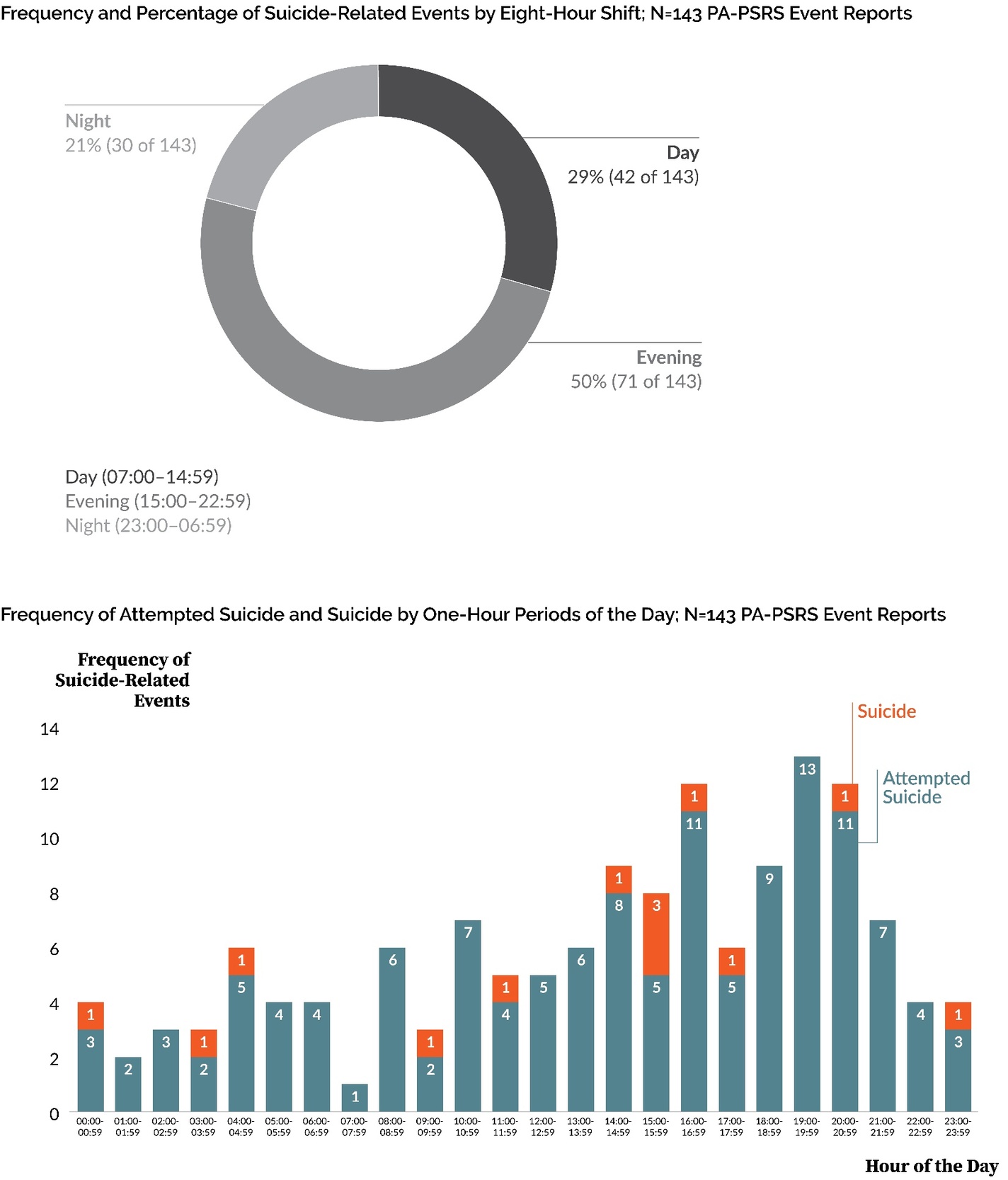
The interviewer presented Figure 5 to the participants and described several findings. The figure shows that across the three shifts, the greatest percentage of suicide-related events occurred during the evening shift, which had more than double the number during the night shift. A statistical test revealed that the evening shift had a significantly greater frequency of suicide-related events compared to the night shift, with respect to a uniform distribution (Bonferroni-corrected p=0.0157). This figure also reveals that nearly half of the suicides took place during the four-hour period of 14:00–17:59 and that the greatest frequency of suicides occurred following the onset of the evening shift (15:00–15:59).
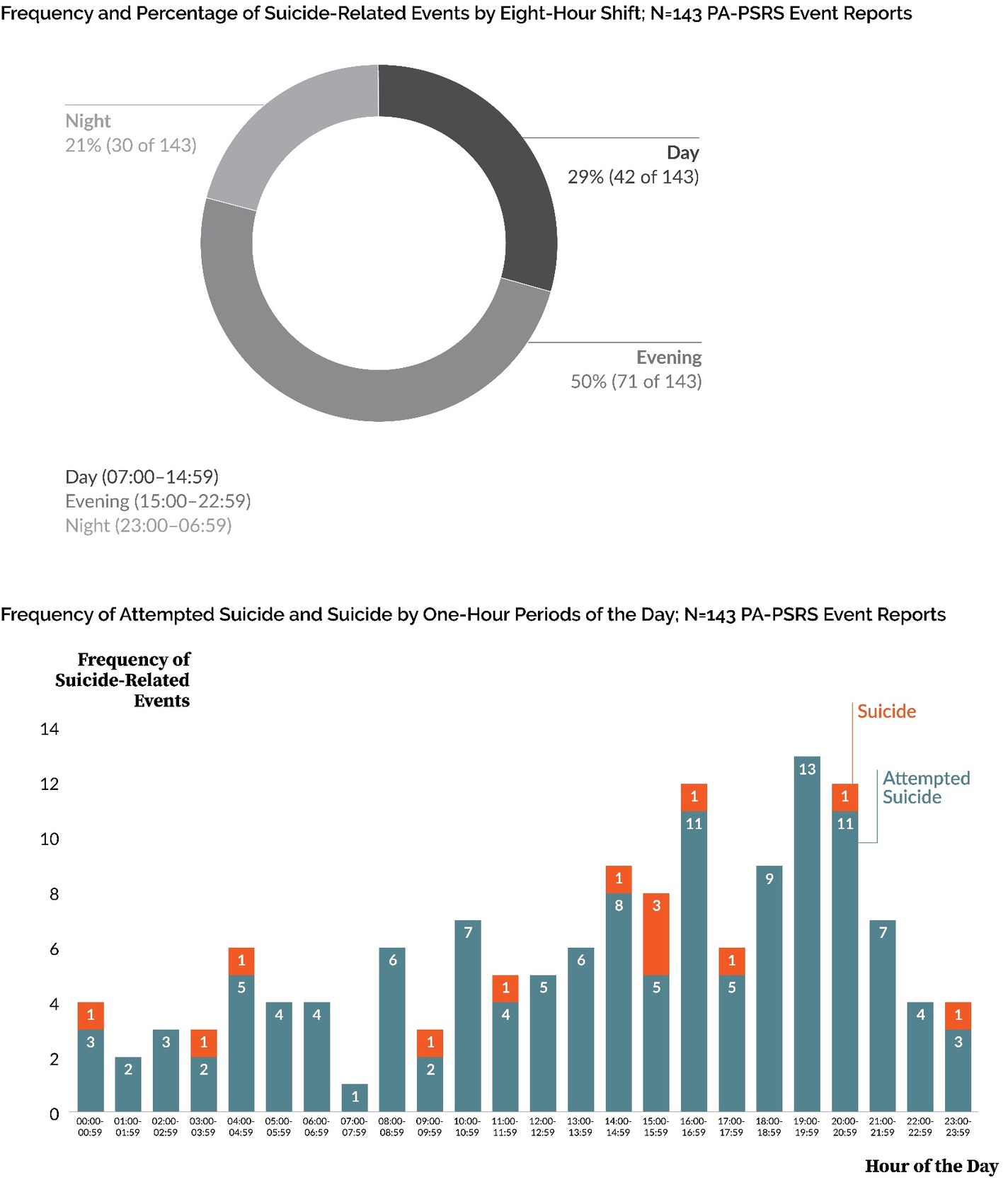
Is This Finding [Figure 5] What You Would Expect, and What Might Explain It?
The participants expected the late afternoon, the shift change into the evening, and the evening periods to be associated with the greatest frequency of suicide-related events. Participants’ explanations focused on staffing patterns, loss of structure, decreased clinical support, staff transitions, and increased patient movement later in the day. Participants described, across facilities, variation in scheduling of shift changes by type of staff, programming schedules, and visitation policies.
Participants described the transition period from the afternoon to the evening shift as one marked by divided attention, gaps in observation, and predictable opportunities for patients to engage in suicide-related events. Some participants noted that shift changes occurred for all staff within the unit at the same time, which was described as chaotic. One participant explained, “shift change is a time … things get missed,” and another stated that they recognize change of shift is “always going to be your highest risk level.” Several also described patients as anticipating or exploiting this moment of decreased oversight.
Participants consistently emphasized the evening as a vulnerable period due to the departure of clinicians, therapists, and managers. Some units end programming at 15:30, 17:00, or 19:00, leaving patients with less supervision and fewer engagement opportunities. As one participant noted, once programming ends, patients are left in a less structured environment that results in more “downtime” and “peer conflicts.” Another participant described the moment the structured day ended as creating a “free-for-all.”
Participants frequently described patients as more active, alert, or emotionally charged during evening hours. Some attributed this to accumulated stress or interpersonal dynamics within the unit. One participant explained, “You can cut the tension with a knife,” because it continues to increase throughout the day. Participants also noted that increased social interaction and decreased supervision contribute to peer conflict, rumination, and impulsivity.
Visitation patterns were widely described as triggers for emotional distress. Many facilities hold visiting hours in the evening, overlapping with reduced staffing and shift change. One participant reported that “visits can create a lot of havoc,” citing examples of visitors inadvertently disrupting treatment plans. The emotional intensity of visits was described as heightened by family dynamics and patient expectations.
Participants also described admission patterns as contributing to risk. Some facilities receive many admissions during the afternoon or evening. This places staff attention on intake processes rather than monitoring the environment. One participant noted that admissions “take staff away from their assignment.” At times, newly admitted patients arrive unmedicated or with high acuity, adding strain to the unit environment.
Given This Finding [Figure 5], What Strategies Do You Already Have in Place to Address This Issue, and Is There Anything Else That Could Be Done?
Participants described numerous mitigation strategies already in place, including staggered shift changes across types of staff, evening group therapy, and targeted monitoring of at-risk patients. Some facilities increased staffing during high-risk periods and conducted change-of-shift rounds to ensure additional eyes on patients at critical times. Participants offered multiple ideas to further improve safety during evening hours, including expanding evening programming, employing virtual visitation options, supervising visitation more closely, and increasing staff awareness of risk patterns corresponding with time of day.
Variable 6: Days After Admission (Days From Admission to Event Occurrence)
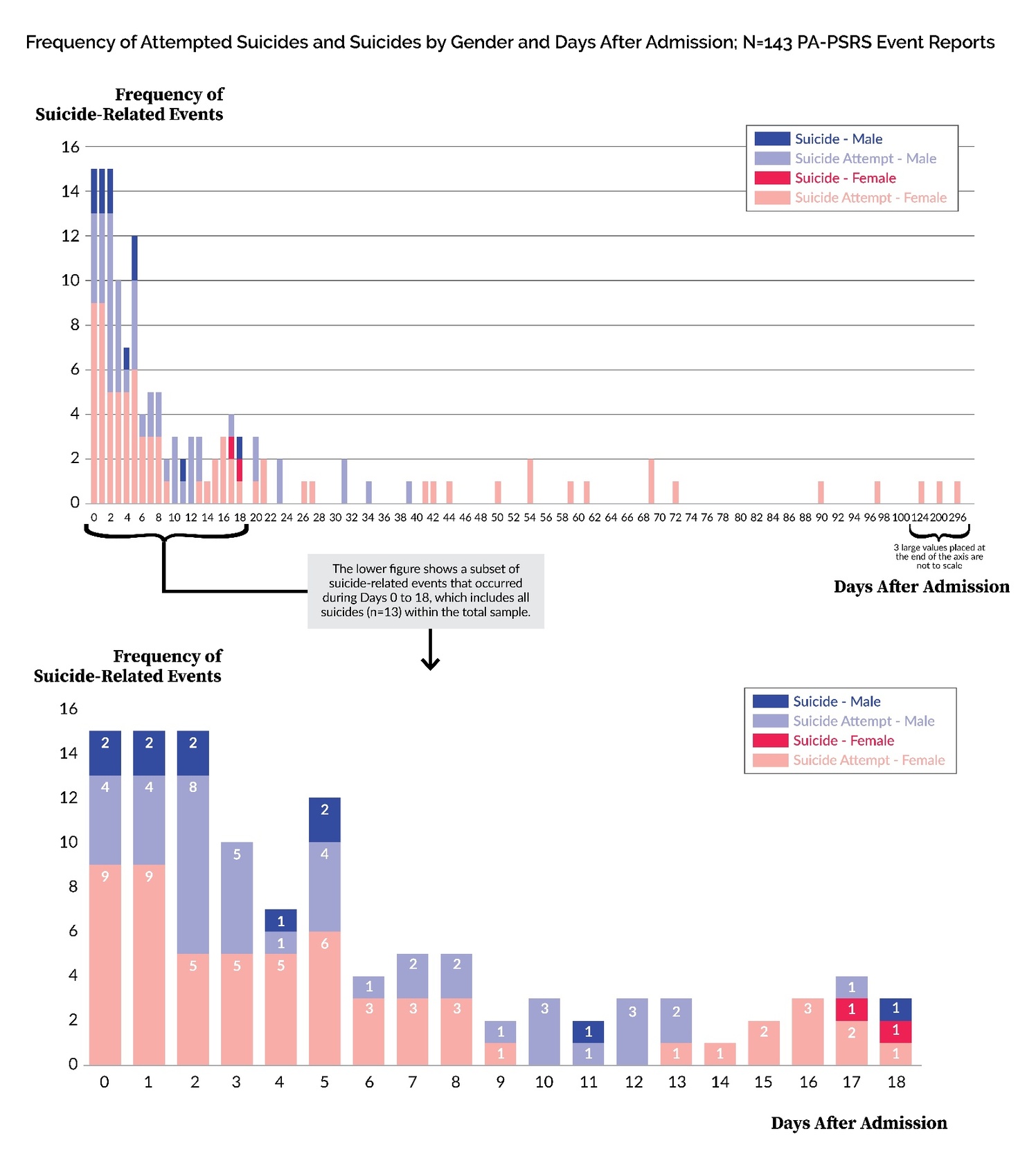
Figure 6 displays, as communicated by the interviewer to the participants, that the suicide-related events most frequently occurred within the first five days after admission. We also found that 71% of the attempted suicides and 100% of suicides occurred within the first 18 days after admission. Furthermore, 69% of suicides occurred within the first 5 days after admission, and each of those were by males. The two suicides by females occurred on days 17 and 18.
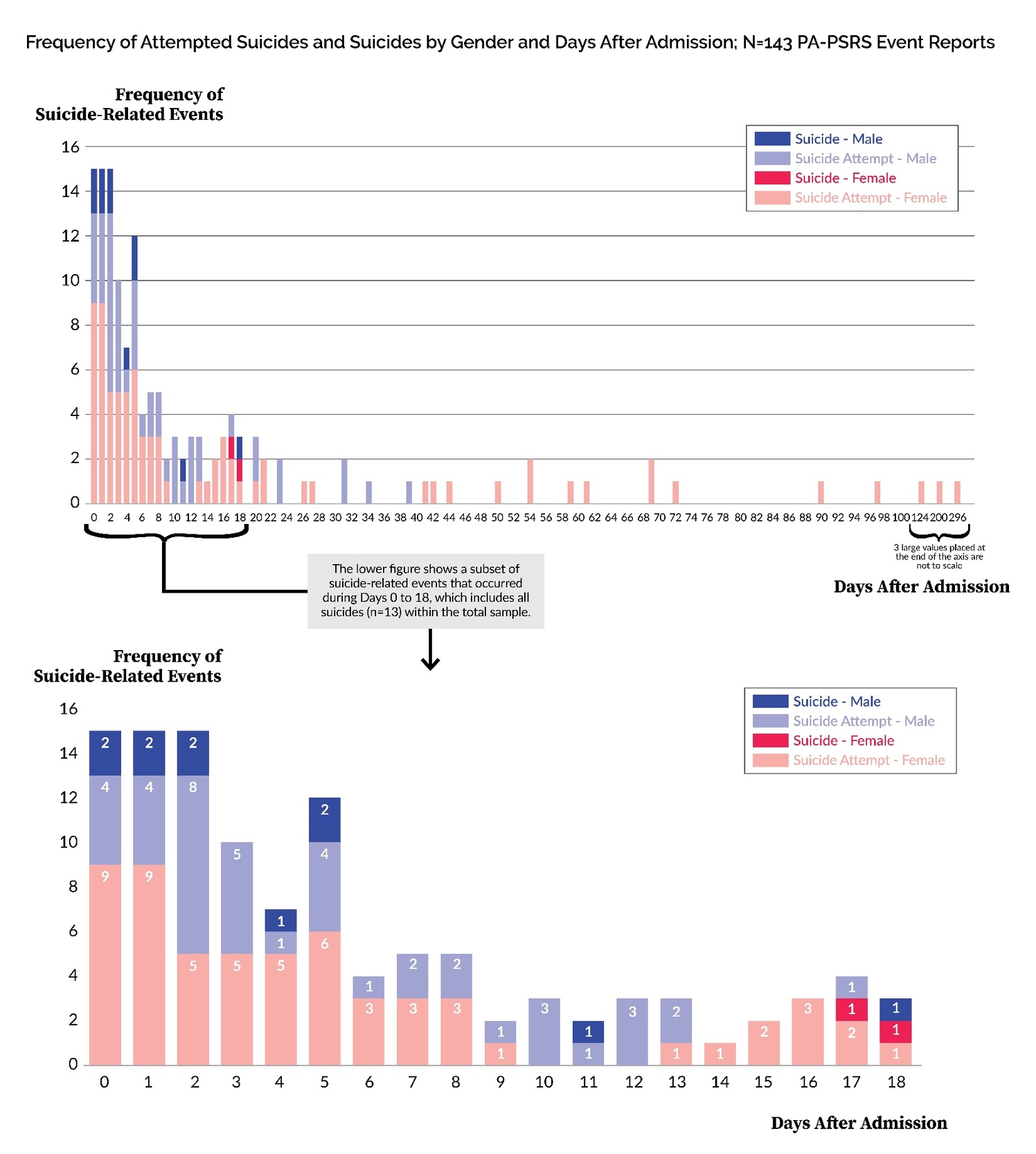
Is This Finding [Figure 6] What You Would Expect, and What Might Explain It?
Participants uniformly expected or were not surprised by the finding that the first few days after admission were a time associated with the greatest frequency of suicide-related events. Participants described this period as patients experiencing acute distress, limited adjustment to the inpatient environment, and incomplete clinical stabilization.
Many participants described patients as entering inpatient care in “extreme times of distress” and in a “highly acute state.” Participants attributed early instability to multiple interacting factors, including emotional overwhelm; fear about the admission; and situational crises, such as family conflict, financial strain, or new legal consequences. For example, a participant stated that some individuals “could have gotten new charges” or had a spouse file a protective order shortly after admission, intensifying distress early in the hospitalization. Several participants emphasized that patients are often disoriented by the transition into a restrictive setting, where they experience a “complete loss of autonomy.”
Participants widely agreed that delayed medication stabilization contributed to early risk after admission. Many described the early phase as a period when patients were not yet on the correct medication regimen or were experiencing withdrawal after arriving from emergency departments. One participant stated that it “takes them a few days [to stabilize] once medicine is figured out.” Participants also described patients who were unable to participate in treatment during initial days due to acute psychosis, emotional dysregulation, or disorganization.
As shown in Figure 6, a majority of male suicides occurred within the first five days, and no male-related events occurred beyond Day 40. Participants consistently remarked on the distinct timing differences in events by gender. Participants described these early male events as consistent with observed patterns of impulsivity or acute crisis presentation. In contrast, participants widely reported that it was unexpected that all late-occurring events (i.e., beyond Day 40) were associated with female patients and that the two female suicides occurred on Days 17 and 18. A participant commented that the timing “just seems very strange” and another expressed surprise that deaths by suicide occurred “so late in an admission.” Explanations varied: Some suggested possible links to chronic self-harm behaviors, borderline personality disorder, or a history of complex trauma, while others speculated that the timing might correspond with discharge-related stress or delays in securing placement. Nevertheless, participants consistently emphasized the small sample size and uncertainty around these cases.
Participants described patients’ typical lengths of stay ranging from five to 10 days, with considerable variation depending on facility type and patient needs. Because most patients are discharged within this time frame, participants noted that the probability of events occurring after 10 to 14 days is relatively low. Several also emphasized the existence of extended-stay populations, especially in settings where patients await state hospital placement. One participant described patients who remained hospitalized “for a couple years” due to limited placement options. Participants indicated that these systemic delays may influence the characteristics of postadmission events that are much later in the timeline.
Given This Finding [Figure 6], What Strategies Do You Already Have in Place to Address This Issue, and Is There Anything Else That Could Be Done?
Participants reported a high degree of consistency in the safety protocols implemented during the first days of hospitalization. These included Q15 minute checks, 1-to-1 observation, suicide precautions, environmental safety rounds, and thorough searches of patient or visitor belongings. One participant explained that all clients “get put on precautions right away,” and another noted that “everyone is on Q15 minute observations for their first couple days.” Participants also highlighted early clinical assessments, including suicide screening tools, biopsychosocial evaluations, and medication reviews conducted within the first 24 hours. Some emphasized physical proximity strategies, such as keeping higher-risk patients near the nurse’s station or pairing patients with roommates when appropriate. Environmental safety strategies were also highlighted as critical preventative actions. A participant provided an example of discovering a razor blade concealed inside a sealed deodorant container brought by a patient’s parent, illustrating the ongoing importance of thorough screening procedures.
Participants described opportunities to increase patient engagement, staff visibility, and observation levels during the earliest days of hospitalization. One participant suggested “more interaction with staff and structured engagement,” and another recommended creating “more touchpoints early on.” Some participants believed that sharing data on temporal patterns of suicide-related events could raise staff awareness and inform clinical decision-making. For example, a participant felt that presenting this information to clinicians “would go a long way” in helping them respond more proactively. In contrast, a few participants felt that the current procedures were adequate. As one participant stated, “I don’t think so,” when asked whether anything more could be done.
Variable 7: Neck Compression and Use of Ligature Point
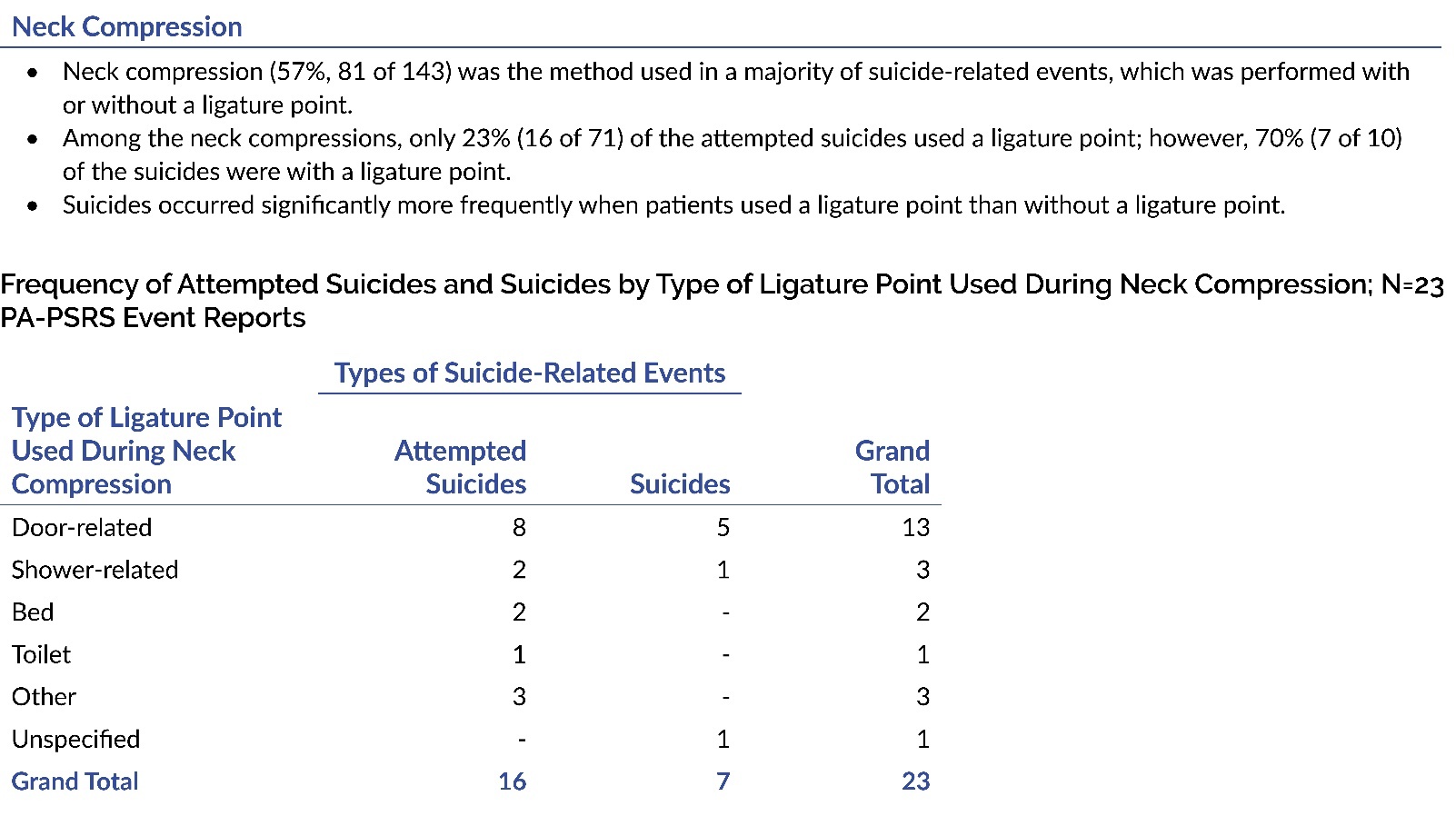
The interviewer presented and described Table 2 to the participants.
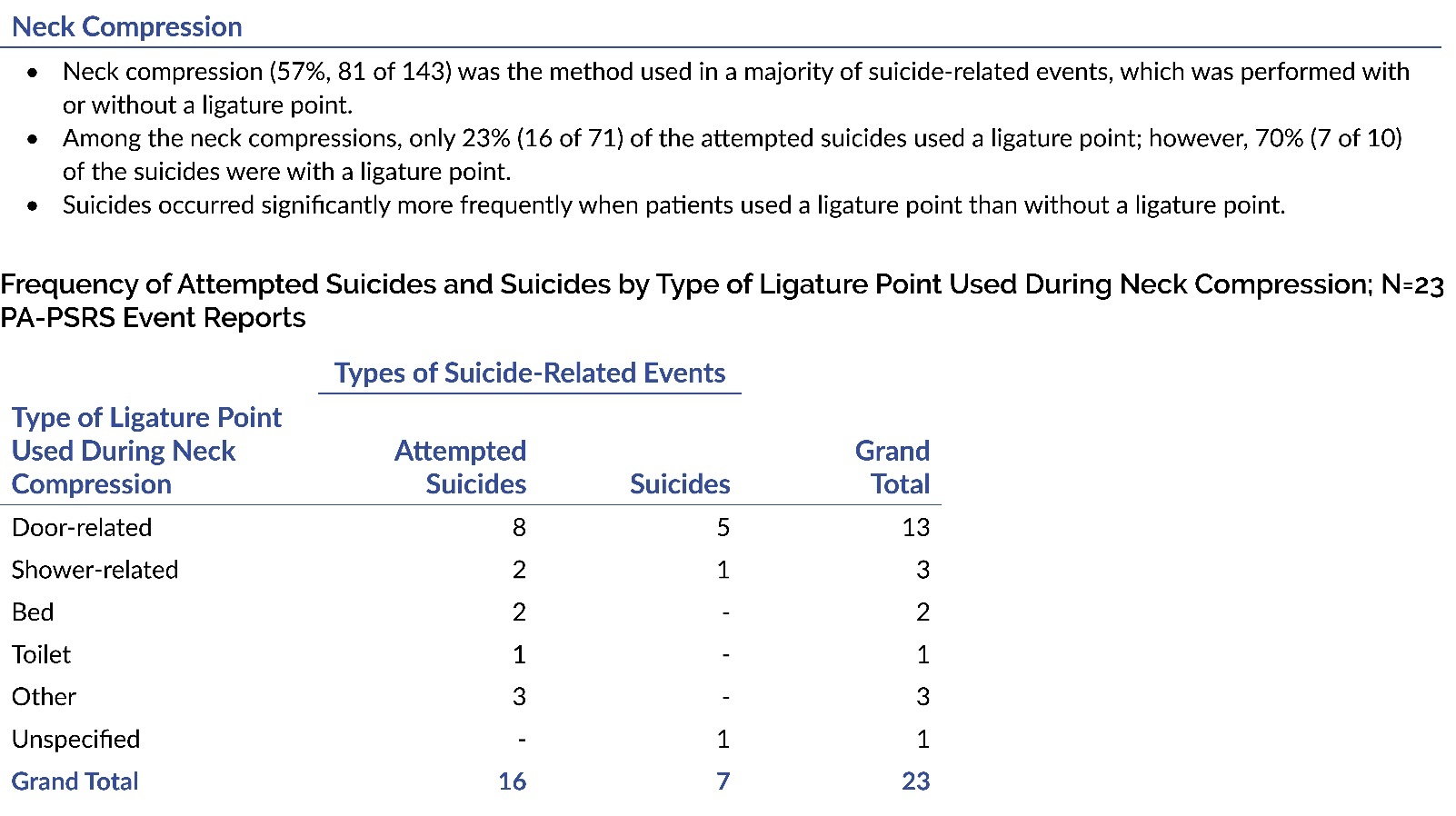
Is This Finding [Table 2] What You Would Expect, and What Might Explain It?
Use of ligature points with neck compression were consistently described by participants as a persistent risk factor for psychiatric inpatient suicide. Participants overwhelmingly reported that the results aligned with their experiences. Participants described ligature points as uniquely lethal because they allow sustained mechanical compression and reduce ability for self-rescue. Despite diverse facility designs and resource levels, participants described similar challenges and environmental vulnerabilities.
Participants identified environmental features, particularly bathrooms, doors, hinges, bed frames, and furniture, as persistent areas of vulnerability for use as a ligature point. These features were described as difficult to render fully ligature-resistant. Participants working in retrofitted or resource-limited units emphasized the challenges of older infrastructure. One explained that many psychiatric units “were not designed to be inpatient units,” adding that replacing some features is financially problematic.
Furniture was also discussed as an underestimated source of risk. Participants described the need for molded furniture after observing that “kids would take their sheet, tie it off … do the alligator roll,” in which fabric is tied to a low ligature point and twisted to generate compressive force. This method was described by several participants as easily overlooked by staff. Similarly, another participant emphasized that “a weighted table leg can become a ligature point.”
Participants consistently described patient belongings, particularly clothing, linens, and personal items, as materials often used in neck compression. For example, one participant reported “strings from a hoodie” can be used as ligatures. Participants emphasized the need to limit or modify access to a range of items, although such restrictions often require careful balancing of safety and comfort.
Given This Finding [Table 2], What Strategies Do You Already Have in Place to Address This Issue, and Is There Anything Else That Could Be Done?
Participants emphasized that staff vigilance, especially structured rounding and observation, is central to preventing ligature-related suicides. Consistent with the sentiment of many of the participants, one stated that “those 15-minute checks are more important than anything else,” noting that lapses in rounding had contributed to past events. Others described the use and effectiveness of technological supports such as proximity-based monitoring systems and door alarms that sound when touched.
The protocol during patients’ use of bathrooms was described as particularly important, with participants noting that staff may “stand right outside the bathroom door” or employ 1-to-1 monitoring when risk is elevated. Some participants reported policies where bathrooms are unlocked during the day but are locked overnight to reduce risk. In the bathrooms, participants described reliance on enhanced fixtures, such as breakaway shower rods and curtains, and magnetic doors.
All participants reported multilayered environmental assessment processes, including daily rounds, monthly or yearly formal assessments, and multidisciplinary safety walkthroughs. These assessments focus on detecting new ligature points, monitoring for patient tampering, and evaluating for facility improvements. One participant stated, “We do yearly ligature assessment of every unit,” while another described their proactive ligature risk assessment as being “enormous.” Participants emphasized that environmental risks evolve over time, further emphasizing the need for regular surveillance.
Participants from multiple facilities described protocols to use paper scrubs and limit belongings. One stated, “We only allow three outfits … we inventory belongings.” Others emphasized the importance of keeping doors partially open and using molded, weighted furniture. Another participant described use of a double swing door system and a door-in-door system where staff can go through the middle of the door, if the door is barricaded. Participants reported that the most effective strategies combine environmental modification with strong procedural controls.
When asked about additional prevention opportunities, a majority of the participants either stated that they did not have any additional ideas or that the staff simply need to remain vigilant and continue environmental improvements. A couple of the participants stated that various aspects of the inpatient unit should be retrofitted to reduce opportunities for use of a ligature point, but doing so is a financial challenge. For example, one participant stated that “a ligature-free toilet is … upwards of $8,000.” They expressed a need for more options to retrofit the environment while staying within their budget.
What Individual Finding Was Most Surprising and Why?
After reviewing and discussing all seven variables, the participants identified several findings that they considered particularly unexpected. A majority of participants described the day-of-week variable as surprising and insightful. Several participants reported that they had never considered day of the week as a relevant factor in understanding suicide-related events; as one participant stated, it was “not something that we have ever really hit upon.” Participants consistently noted the higher frequency of suicides on Mondays and Thursdays as interesting. One participant further emphasized how the frequency on Saturdays was markedly lower than Sundays, which they found especially unexpected. Overall, many thought the relatively high frequency of events on Sundays was logical, but it was unexpected because they had not contemplated this outcome.
Less often, participants mentioned other variables as surprising. One participant highlighted both gender and age patterns, citing the unexpectedly higher frequency of suicides among older patients and males, relative to adolescent patients and females. Another participant focused on the days after admission variable and expressed surprise that two female patients experienced events long after their admission. Finally, one participant identified the use of neck compression and ligature points as the most unexpected finding, given the substantial resources and emphasis placed on creating a ligature-resistant environment.
Limitations
The participants’ statements and themes were derived from interviews about their perceptions of the results from our prior study, which included statistical tests where appropriate. As stated in the prior study, the “sample size of 143 reports may limit the statistical power to detect differences across multiple categories or to support extensive post hoc comparisons; nevertheless, the clinical and public health significance of the topic warrants presentation of the findings.”1 As a result, the participants’ perspectives presented from this interview project are largely based on descriptive analyses from our prior study, not statistically significant differences.
Conclusion
The interviews offered a qualitative complement to our prior study,1 with participants largely affirming the observed patterns at their own facilities while providing nuanced explanations based on their clinical experience. Participants described gender-based differences in intent and visibility; contrasts between adolescents and adults; and seasonal or temporal fluctuations shaped by emotional, environmental, and operational factors. They also highlighted the influence of unit structure, including reduced programming, shift transitions, and visitation dynamics, on the occurrence of suicide-related events.
While participants reported that facilities rely on standardized precautions, their explanations reveal opportunities for more nuanced and context-responsive approaches during high-risk periods and circumstances. Enhancing evening and weekend engagement, increased precautions in the earliest days of hospitalization, strengthening of monitoring during the shift change into the evening and throughout the evening hours, addressing emotional challenges associated with visitation and holidays, and tailoring approaches to developmental or gender-related patterns may help mitigate risk at their facilities.
Although participants generally affirmed the quantitative patterns, their explanations emphasized the complexity of inpatient environments and the multifaceted nature of risk. Their insights underscore the importance of understanding not only when and among whom suicide-related events occur, but also how daily fluctuations, staffing patterns, and emotional contexts shape opportunities for harm.
Notes
This project was determined to be operational activity, not research.
Artificial intelligence (Microsoft Copilot, version: bizchat.20260414.49.1) was used to support data analysis, drafting of text, and to improve sentence clarity. The authors take full responsibility for the accuracy and integrity of the manuscript.
Disclosure
The authors declare that they have no relevant or material financial interests.
About the Authors
Matthew A. Taylor (MattTaylor@pa.gov) is a research scientist on the Data Science & Research team at the Patient Safety Authority, where he conducts research, uses data to identify patient safety concerns and trends, and develops solutions to prevent recurrence.
Christopher P. Mamrol (cmamrol@pa.gov) is a program manager on the Outreach & Education team at the Patient Safety Authority (PSA), where he develops educational programming, supports statewide engagement initiatives, and collaborates with healthcare facilities to advance patient safety practices. Prior to joining PSA, he worked in behavioral health, managing multiple departments as a director of safety and quality systems.