Introduction
Background
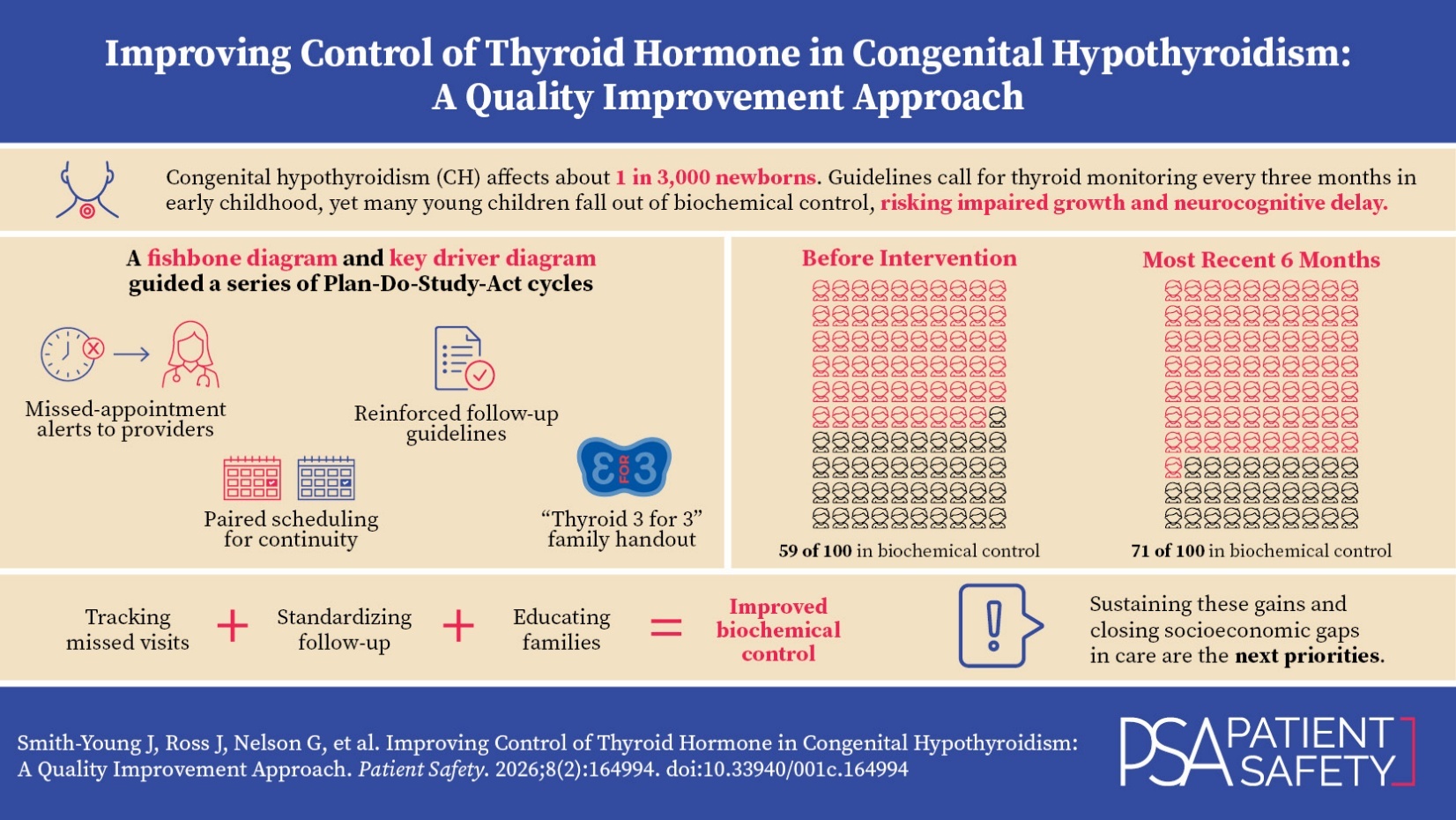
Congenital hypothyroidism (CH) is a common neonatal endocrine disorder, occurring in approximately 1 in 3,000 live births. Early thyroid hormone sufficiency is essential for normal physical growth and neurocognitive development during infancy and early childhood. Universal newborn screening programs enable early diagnosis and prompt initiation of levothyroxine therapy, substantially improving developmental outcomes.1
Current European and United States guidelines recommend clinical and biochemical monitoring at least every three months during the first three years of life to ensure adequate treatment and maintenance of euthyroidism.1,2 Euthyroidism is maintenance of thyroid-stimulating hormone (TSH) within the age-appropriate range while receiving levothyroxine therapy.1,2 Despite these recommendations, gaps in care persist, and a substantial proportion of children with CH do not maintain biochemical euthyroidism during this critical developmental period.
Rationale
Missed appointments and inconsistent follow-up contribute to suboptimal biochemical control in young children with CH.3 Education of stakeholders and implementation of targeted strategies to reduce missed visits were hypothesized to improve monitoring frequency and treatment adherence, thereby narrowing existing gaps in care.
Objective
We conducted a quality improvement initiative to increase the proportion of young children with CH achieving adequate biochemical control by 15% within a 12-month period.
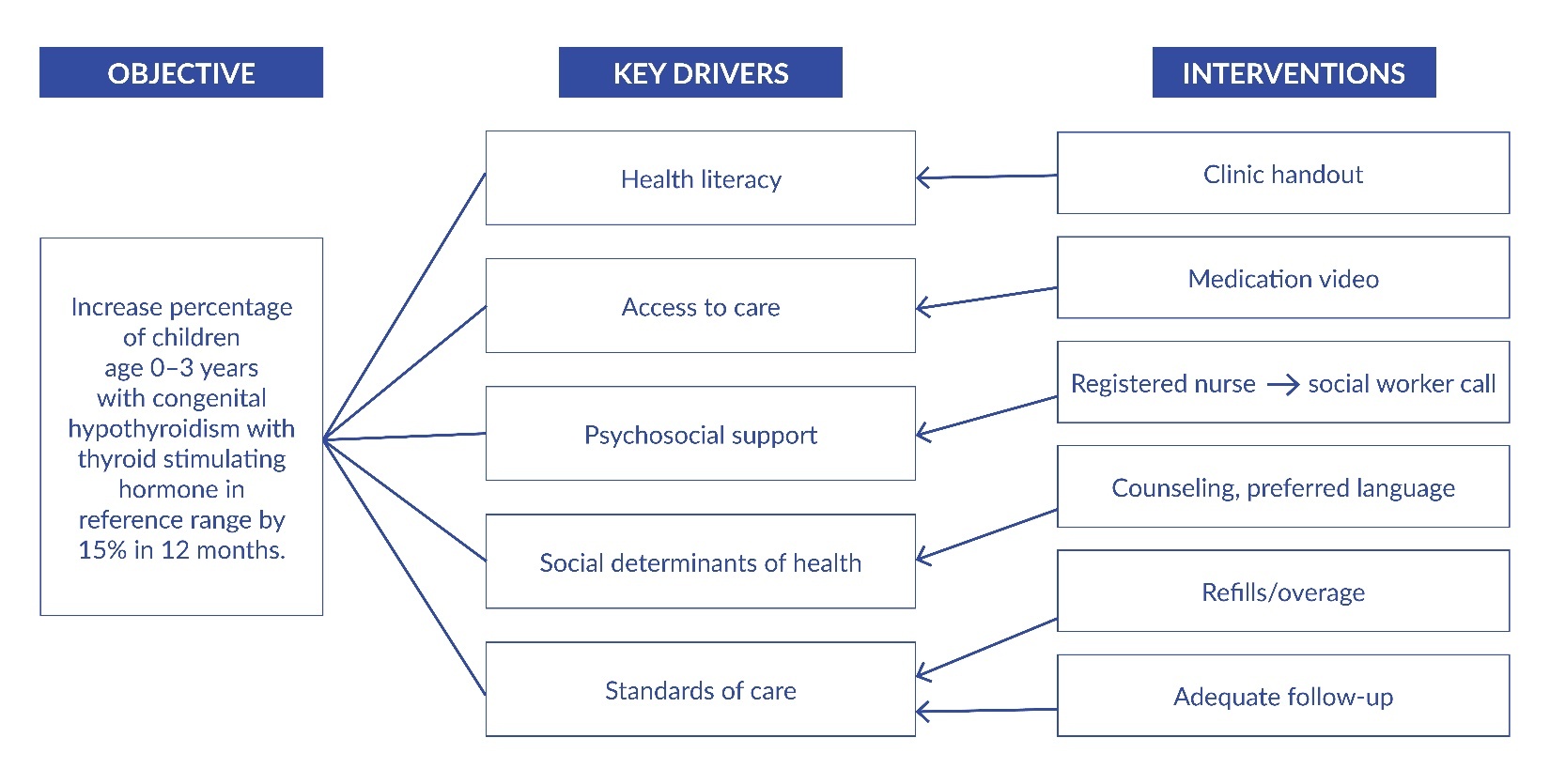
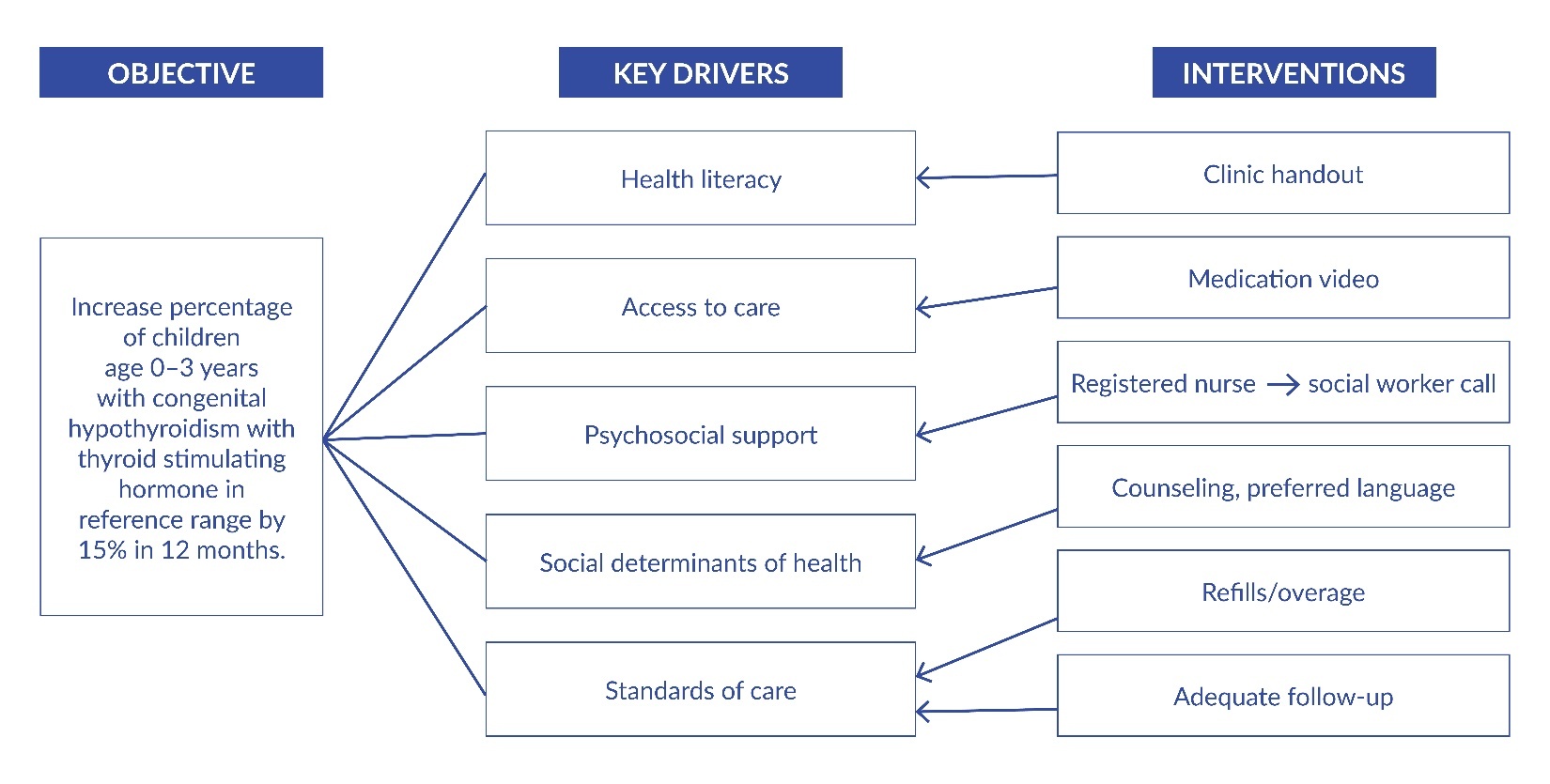
Prior to baseline data collection and implementation of Plan-Do-Study-Act (PDSA) cycles, a cause-and-effect (fishbone) diagram was developed to systematically identify factors influencing biochemical control of CH. This process allowed our team to examine potential contributors across stakeholder-, process-, system-, and patient-level domains and informed the selection of targeted interventions (Figure 1).
Methods
Stakeholder Engagement
Key stakeholders were invited to provide input regarding barriers to care and potential solutions. Participants included the endocrinology department social worker, the nurse responsible for newborn screening follow-up for CH, clinic nursing staff, scheduling personnel, nurse practitioners, and attending physicians. Stakeholder feedback informed the development and refinement of interventions throughout the project.
Interventions
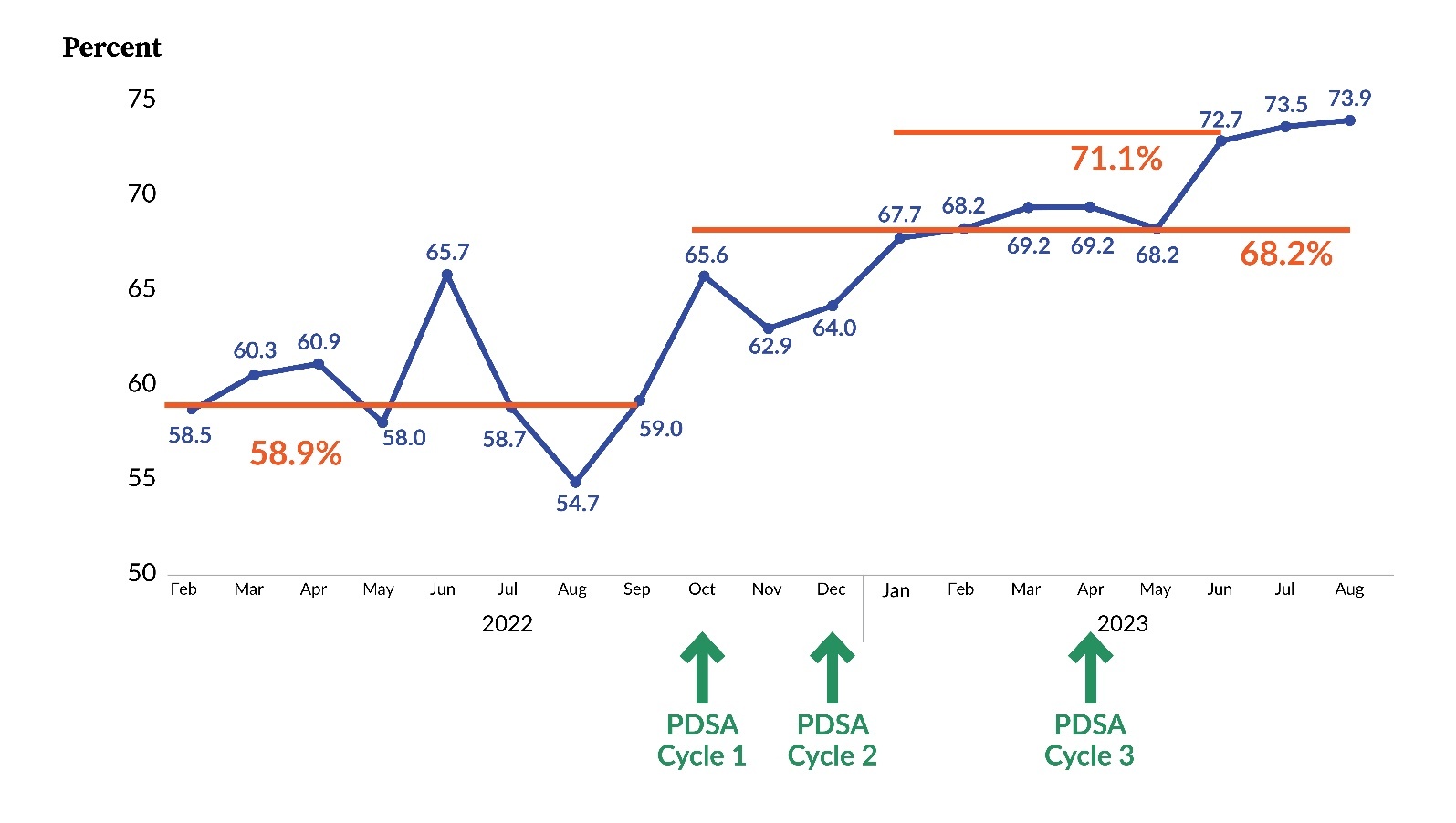
PDSA Cycle 1
The first PDSA cycle was initiated in October 2022 to address missed appointments. Previously, missed visits in this population did not receive targeted follow-up. A departmental protocol was implemented whereby providers were notified of missed appointments for patients with CH age 6 or younger via a templated message from clinic nursing staff: “The patient no showed the appointment today. Do you want labs?” The age cutoff was subsequently refined to 3 years or younger, reflecting the period of greatest clinical vulnerability.
PDSA Cycle 2
The second PDSA cycle focused on reinforcing adherence to guideline-recommended follow-up intervals. Current CH management guidelines were reviewed with endocrinology faculty to emphasize the importance of obtaining thyroid function tests and scheduling follow-up visits every three months for young children with CH.
PDSA Cycle 3
As patients reengaged in care and the three-month follow-up cadence was implemented, clinic appointment availability became limited. To improve access and continuity, beginning in April 2023, patients within the target age range were scheduled for return visits at both three-month and six-month intervals at the time of each clinic encounter.
PDSA Cycle 4
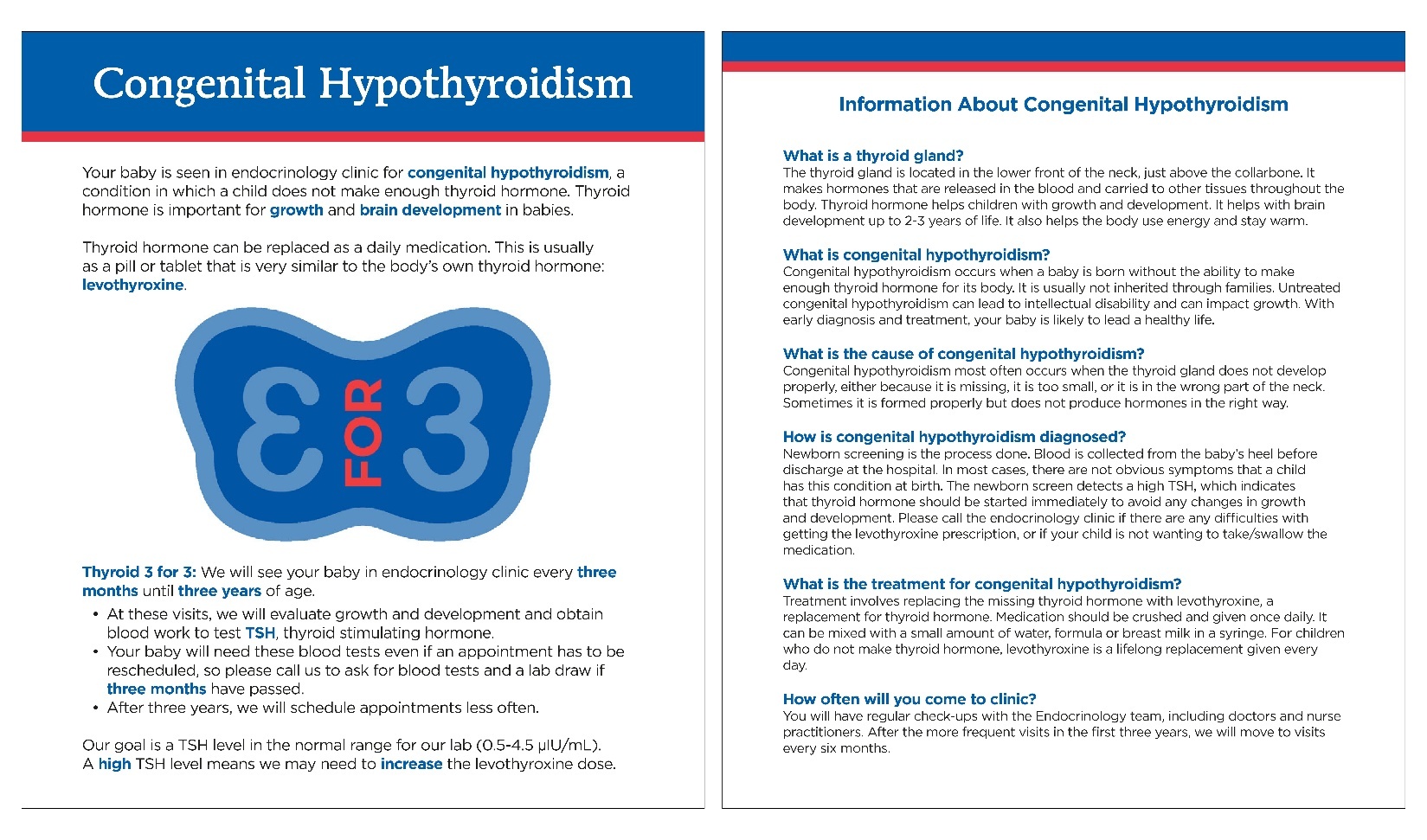
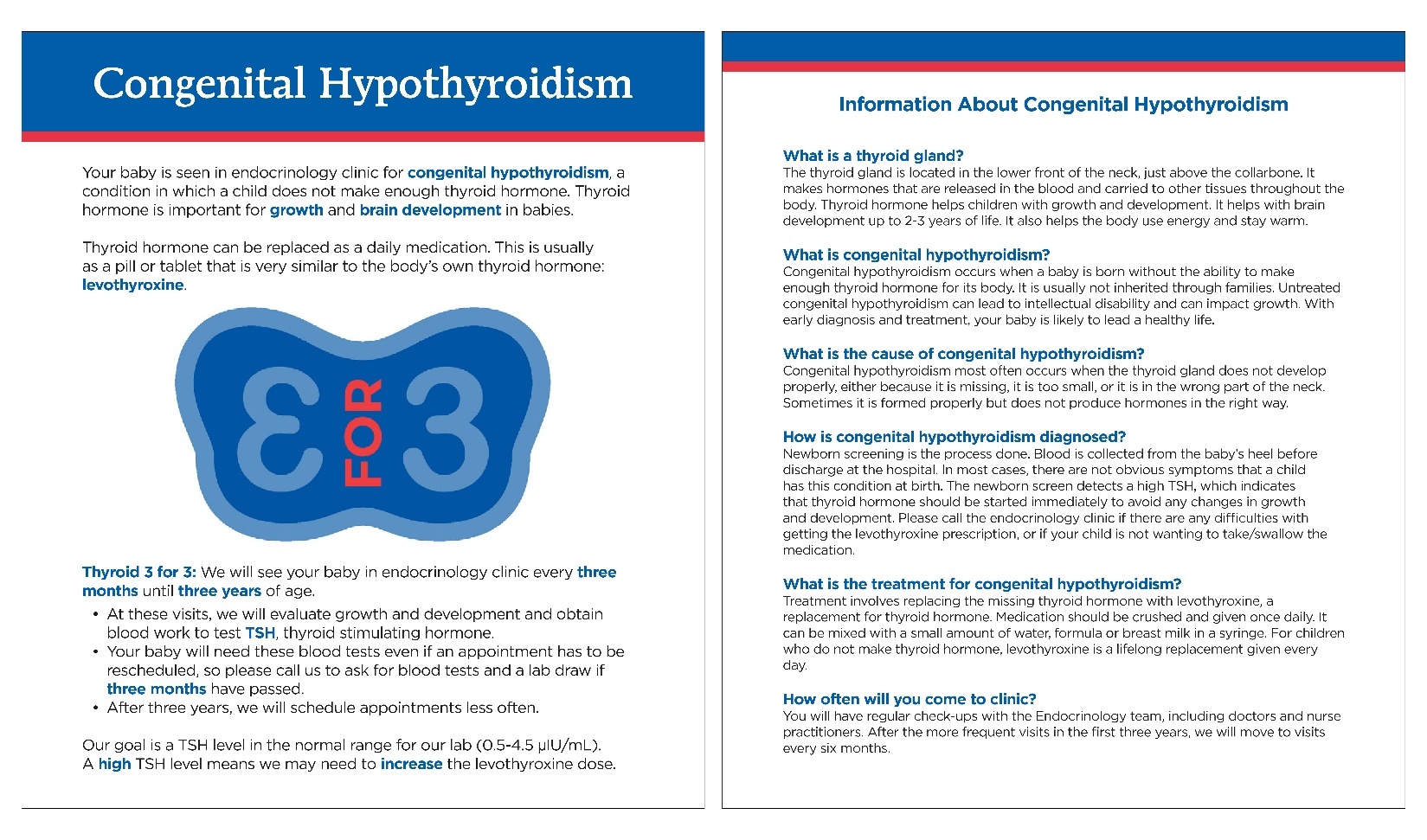
The fourth PDSA cycle introduced family-focused education. A patient education handout for the “Thyroid 3 for 3” initiative (Figure 2) was approved by the institutional communications department and distributed at each visit to families of children with CH younger than 3 years of age beginning in October 2023.
Departmental Policy Change
In December 2023, the pediatric endocrinology department implemented a departmentwide policy to improve management of missed appointments. All missed visits are now reviewed at the end of each clinic session to determine the urgency of rescheduling, with particular attention to children with CH.
Study Population
On a monthly basis, medical record numbers for all patients seen in the endocrinology clinic with CH were identified using the International Classification of Diseases, Tenth Revision (ICD-10) diagnostic codes for congenital and related hypothyroid conditions. Patients age 0.5 to 3.5 years during each calendar month were eligible, to ensure that the six-month retrospective review period captured data within the clinically relevant window from birth to 3 years of age.
All patients had initiated levothyroxine therapy by 6 months of age. Exclusion criteria included central hypothyroidism, transient hypothyroidism (defined as discontinuation of levothyroxine before age 3.5 years with documented normal TSH levels off therapy), transfer of care prior to age 3.5 years, or death before age 3.5 years.
Data Collection
For each month of the study period, charts of eligible patients were reviewed for all thyroid laboratory results obtained during the preceding six months. Biochemical control status was assigned if at least one TSH value fell within the normal range for the assay during this six-month interval. If no normal TSH value was identified within the electronic medical record (EMR) lab section, the chart was further reviewed for external lab results obtained during the same time frame. External TSH values were interpreted using the assay reference range at our in-house lab, consistent with standard clinical practice, recognizing that TSH reference intervals may vary by assay platform. The optimal age-appropriate reference range used from our in-house lab for TSH was 0.5–6 micro-international units per milliliter (uIU/mL) for ages 31 days to 6 months, and 0.5–4.5 uIU/mL for ages 6 months and up. Outside lab values were classified according to in-house assay reference ranges for consistency.
Demographic variables recorded for each patient included date of birth, self-reported race, self-reported ethnicity, and residential ZIP code. The Childhood Opportunity Index 2.0 (COI) was used to determine the nationally normed overall child opportunity level based on ZIP Code Tabulation Area data. COI is a multidimensional neighborhood measure incorporating social determinants such as education, health and environment, and socioeconomic resources. Opportunity quintiles (very high, high, moderate, low, very low) were assigned to each patient according to the quintile corresponding to their residential ZIP code.4
Statistical Analysis
Concurrent with the ongoing quality improvement initiative, statistical analyses were conducted to examine associations between socioeconomic factors and adequate biochemical control of CH. Demographic characteristics, thyroid lab values, and the number of interval clinic visits were collected for study patients born between January 1, 2020, and December 31, 2022. All thyroid lab results obtained from July 1, 2022, through June 30, 2023, were included to evaluate the relationship between patient demographics and CH control during the study year. Data was provided for statistical analysis in a de-identification format without patient names or medical record numbers.
Adequate biochemical control was defined as having at least two TSH values within the age-appropriate reference range during the study year. Excellent control was defined as having at least three TSH values within the reference range during the same period, excluding patients who had not yet reached 1 year of age by June 30, 2023.
Results
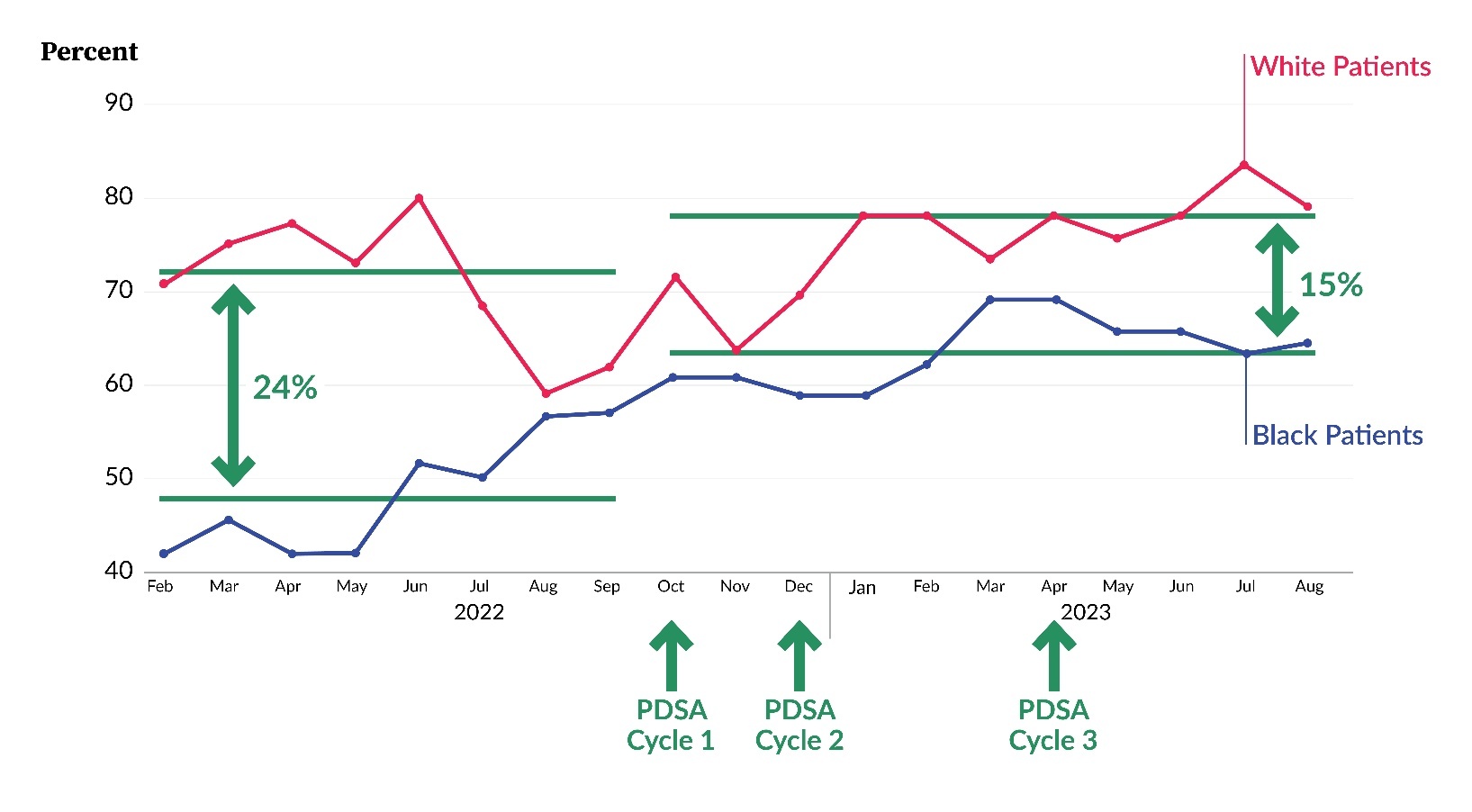
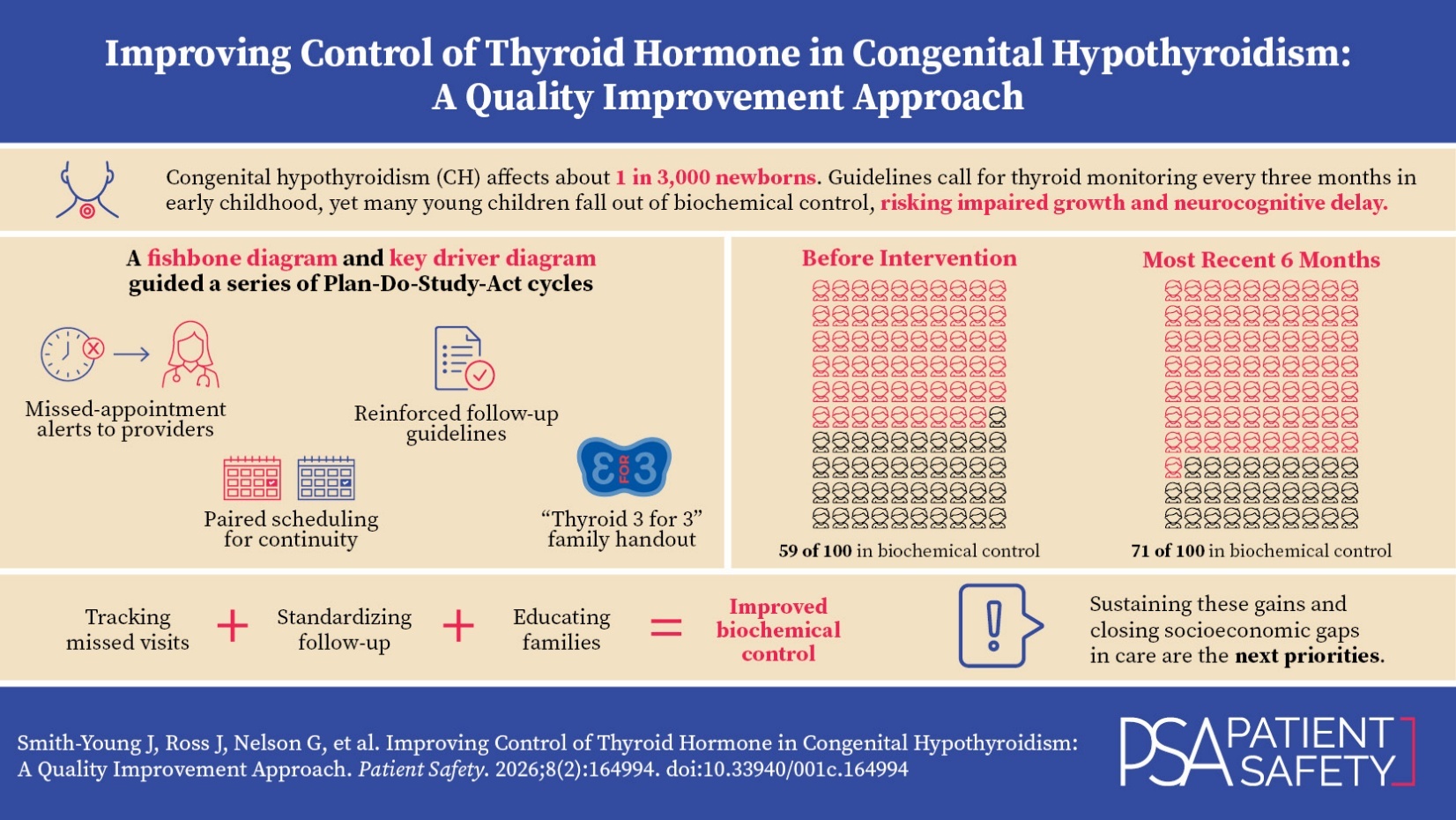
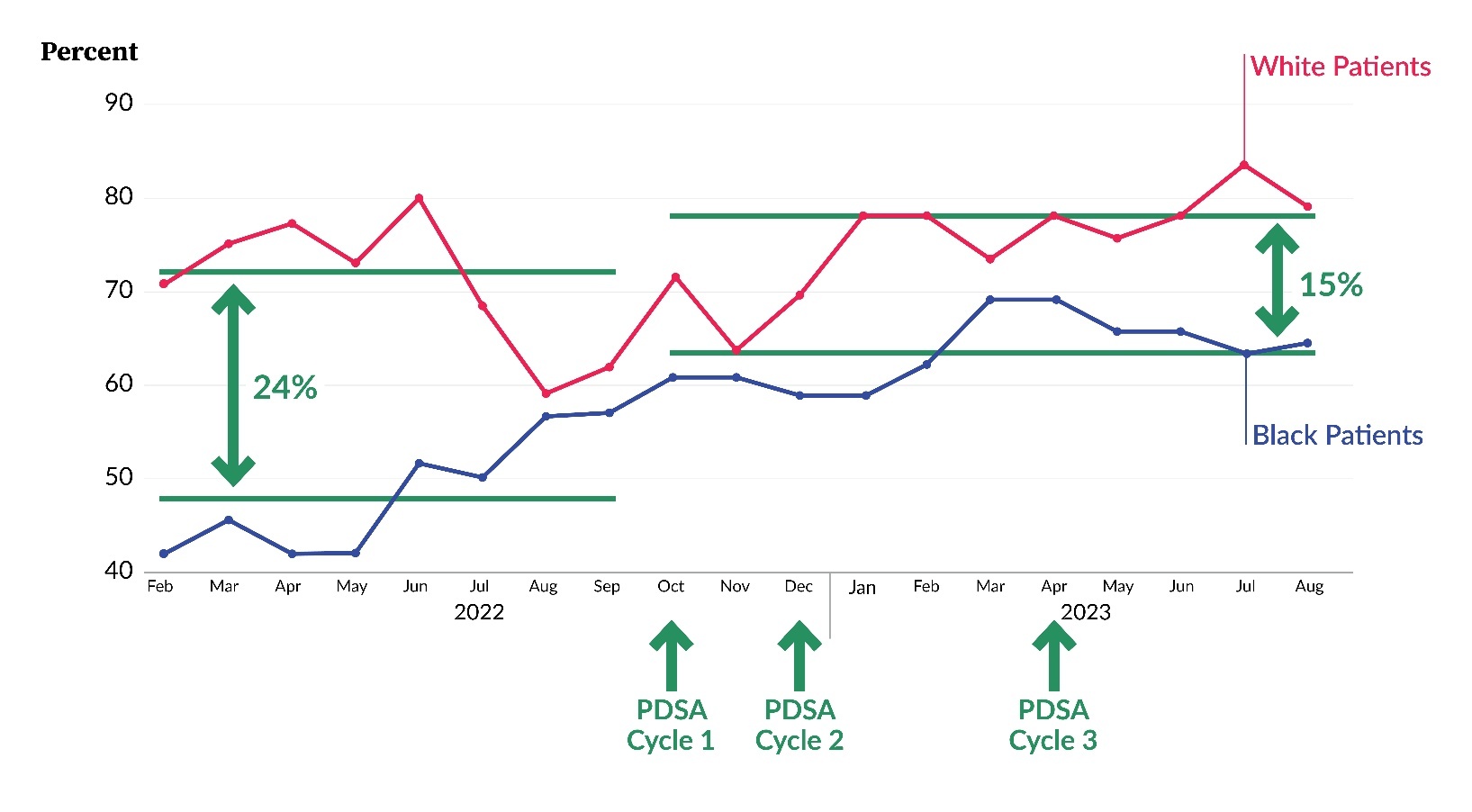
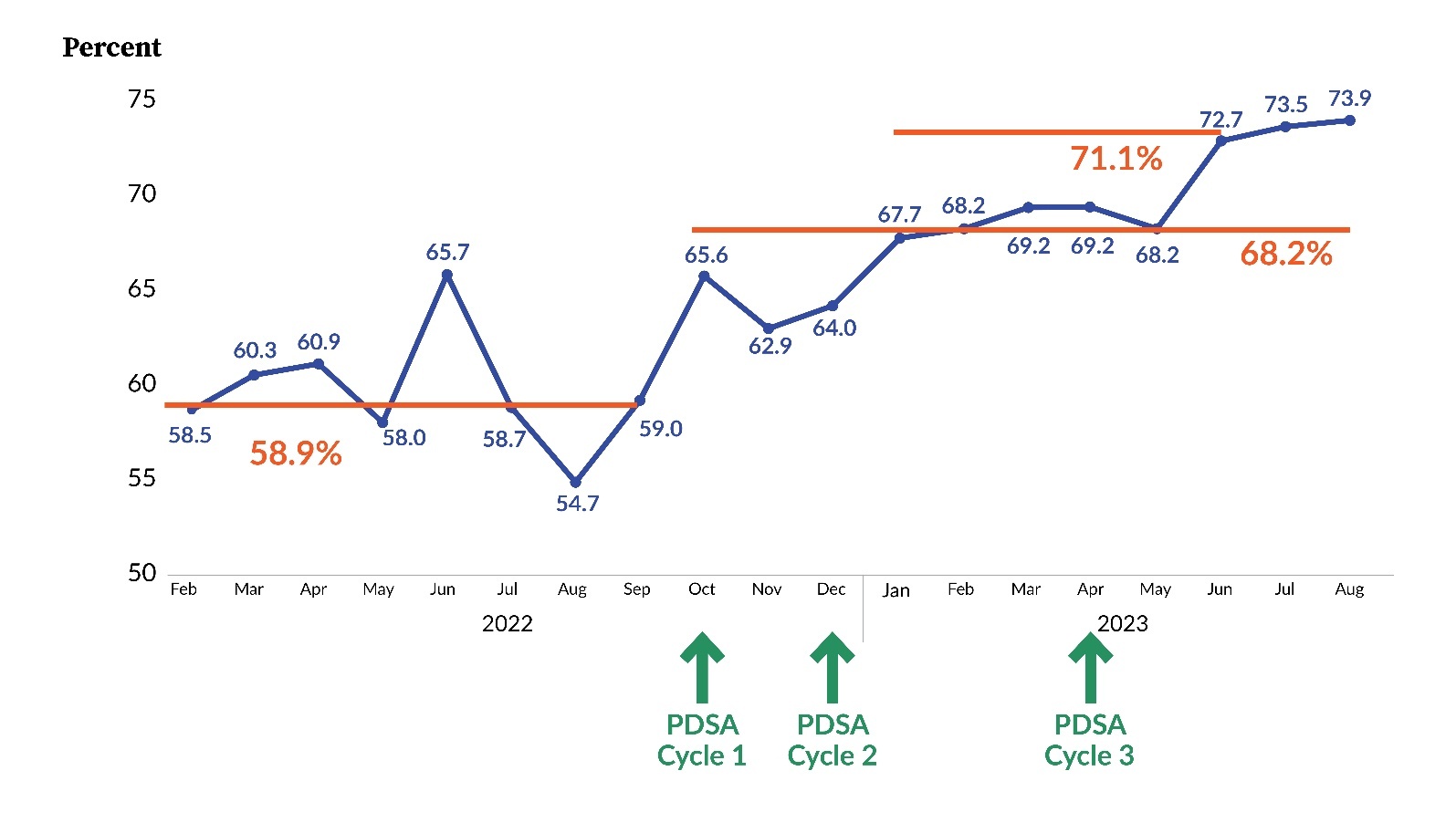
105 patients with CH were included in the cohort. Prior to intervention, an average of 58.9% of children with CH had biochemical control. There was a difference of 24.4 percentage points between white and Black patients each month, with higher biochemical control rates in white patients (Figure 3). In the most recent six months of data, an average of 71.1% of children with CH were in biochemical control each month. In addition, the disparity in biochemical control by racial background decreased by 9 percentage points (Figure 4).
Discussion
This quality improvement initiative aimed to increase the proportion of young children with CH to adequate biochemical control by 15 percentage points within 12 months. Our study identified that we increased biochemical control by 14 percentage points from July 2022 to June 2023. Implementation of targeted interventions, including stakeholder education, enhanced follow-up processes, scheduling changes, and family education, were associated with meaningful improvement in biochemical control and monitoring adherence.
Interpretation
Our findings suggest that system-level barriers, particularly missed appointments and inconsistent follow-up, play a substantial role in suboptimal biochemical control in young children with CH. Interventions that emphasized proactive management of missed visits, standardized follow-up intervals, and multidisciplinary engagement were effective in improving care processes.
These results align with prior studies demonstrating that structured quality improvement approaches can reduce loss to follow-up and improve outcomes in children with CH.3 Early childhood represents a critical window for neurodevelopment, and maintaining euthyroidism during this period is essential to optimize long-term outcomes.1,2
Persistent disparities observed among patients from lower-opportunity neighborhoods highlight the influence of social determinants of health on chronic disease management and underscore the need for additional targeted support.
Limitations
This study has several limitations. First, it was conducted at a single center, which may limit generalizability. Second, observational design precludes causal inference regarding individual interventions. Third, reliance on EMR data may have resulted in incomplete capture of laboratory results obtained outside the institution. Additionally, the relatively short follow-up period limits assessment of long-term sustainability of improvements.
Conclusions
A structured quality improvement initiative focusing on stakeholder engagement, missed appointment management, standardized follow-up, and family education was associated with improved biochemical control in young children with congenital hypothyroidism. Addressing system-level barriers to care may help close gaps in treatment adherence during this critical developmental period. Future efforts should focus on sustaining improvements and addressing socioeconomic disparities to ensure equitable outcomes.
Disclosures
Jamila Smith-Young, Grace Nelson, and Elisha McCoy declare that they have no relevant or material financial interests.
Jordan Ross is the University of Tennessee Health Science Center/Le Bonheur site director for the tiratricol expanded access program sponsored by Egetis (NCT05911399) and a member of the Egetis MCT8 Deficiency HCP Advisory Group.
About the Authors
Jamila Smith-Young (jsmith50@uthsc.edu) is a pediatric endocrinology nurse practitioner and assistant professor at the University of Tennessee Health Science Center focusing on diabetes and other endocrine disorders. She serves as a co-investigator on a number of clinical research projects related to pediatric diabetes, hypothyroidism, and social determinants of health. She is the clinical director for EMPOWER, a Type 2 diabetes program, at Le Bonheur Children’s Hospital, where she practices inpatient and outpatient.
Jordan Ross is a combined adult/pediatric endocrinologist at the University of Tennessee Health Science Center, where he completed his medical training. He is the clinical director for metabolic bone health at Le Bonheur Children’s Hospital. He also serves on the quality improvement team for the pediatric endocrinology department, with a particular emphasis on healthcare transitions for youth living with diabetes and other endocrine and metabolic conditions. He sees adult patients in clinic and staffs the inpatient endocrinology service at Regional One Health and is a culinary medicine instructor for the university.
Grace Nelson is a pediatric endocrinologist and associate professor at the University of Tennessee. She serves as the diabetes center director at Le Bonheur Children’s Hospital. Her scholarly work focuses on quality improvement and patient safety initiatives aimed at improving healthcare delivery and outcomes for children with diabetes and endocrine disorders.
Elisha McCoy is a professor of Internal Medicine and Pediatrics at the University of Tennessee Health Science Center. She serves as the division chief of Pediatric Hospital Medicine at Le Bonheur Children’s Hospital and as a faculty hospitalist at the Memphis VA Medical Center. She also serves as the director of Quality and Health Systems Improvement at Le Bonheur. She is passionate about providing high-value, safe, and effective care and educating the future workforce to do the same.